Blast from the past: Romania 2004

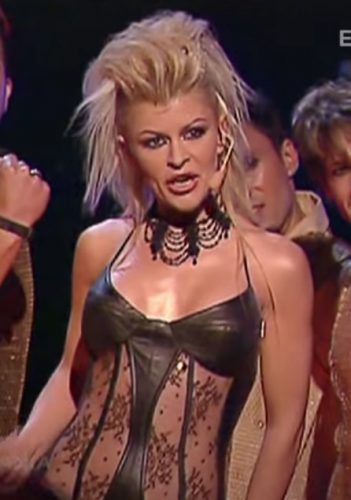
We know a lot about Eurovision; this is knowledge we want to share with you. Therefore we’d like to bring you a blast from the past. Back to 2004, when Sanda represented Romania with “I admit”.

Romania in the Eurovision Song Contest

In the Eurovision Song Contest, Romania did not do bad, but real top scores were yet to come. It was “Tell me why”, the song with which Monica Anghel and Marcel Pavel reached the 9th place, the best score so far. In 2003, Nicola became 10th. That was enough for Romania to be placed directly in the 2004 final.

National selection

The Romanian national selection contained two semifinals: one with 12 and one with 11 songs. On March 13, Dan Teodorescu and Nicola hosted the national final with, again, 12 songs. The contest was held in the TVR TV-Studios in Bucharest.

  1. Supermarket with “De 2 ore te astept“, 12th with 0 points
  2. Nico with “Feeling snow white“, 9th with 4 points
  3. Shake with “Music”, 11th with 1 point
  4. Andra with “Just a little love“, 2nd with 17 points
  5. Elena Cârstea with “Don’t be afraid“, 4th with 16 points
  6. Paula Seling with “Perfect“, 6th with 8 points
  7. Salamandra with “Într-o zi“, 6th with 8 points
  8. Maria Radu with “All this time“, 2nd with 17 points
  9. Sanda Ladoşi with “I admit“, 1st with 24 points
  10. Parlament with “Tot pe ea“, 5th with 9 points
  11. Alexandra Ungureanu with “Happy“, 9th with 4 points
  12. Hara with “Lovely“, 6th with 8 points

Sanda

Sanda Ladoși was born in Târgu Mures, Romania, on january 2nd 1970. She started making music at a very young age. It was in 1988 when she first won an award at the Mamaia festival. She won the contest again in 1994 in duet with Ștefan Iordache. Sanda released four albums in the nineties. In 1999 she took part in the national selection for the Eurovision Song Contest. Five years later she was a participant again, but this time she won. Her Eurovision song “I admit” was included in her fifth album “Khalinin”, which was released in 2006. After this album, she decided to withdraw from showbusiness and become a mother. She has 2 children now.  A few years later, Sanda Ladoși came back with shows and concerts, but also developed a new passion. She became a circus acrobat. In addition, she appeared as a guest in many plays at the “Constantin Tanase” Magazine Theater. In 2017, Sanda Ladoși became deputy director of the Metropolitan Circus in Bucharest.

I admit

The Eurovision Song “I admit” was an uptempo song. “I admit I fell for you so badly and I admit you make my senses wild”, Sanda sang. You can find the full lyrics of the song here. During the performance at the Eurovision Song Contest in Istanbul, Sanda was joined by to singers and 3 dancers. She was wearing a black romper suit. The act was more of a dance act than a singing act.

Results

The voting became a big disappointment for Romania. With 10 points, awarded by the Spanish jury but furthermore only a few points from Cyprus (3), Israel (1) and Portugal (4), Romania ended up with a total of 18 points and an 18th place.

 

Related news

History

70 years of Eurovision: Conchita and other heroes

The Eurovision Song Contest is celebrating its 70th anniversary. That is a wonderful milestone. We at Eurovision Universe love diving into the history of the contest. That is why we are taking a closer look at the contests of the past 70 years. 2014 The B&W Hallerne stood on a remote industrial estate in Copenhagen. That is where the contest was held. Lise Rønne, Nikolaj Koppel, and Pilou Asbæk hosted the song contest. Poland and Portugal participated again. However, Bulgaria, Croatia, Cyprus, and Serbia dropped out. The songs Paula Seling and Ovi participated in the Eurovision Song Contest once again. For the third consecutive time, San Marino sent Valentina Monetta. And although no one believed in it anymore, Valentina surprisingly reached the final. Dressed in primary colors and with long beards, the band Pollapönk, specializing in children’s songs, represented Iceland. They were fan favorites, just like Carl Espen. This Norwegian singer performed a ballad, “Silent Storm,” which made a deep impression on the audience. The Polish group, Donatan and Cleo, did too, but for a completely different reason. Flanked by buxom ladies in traditional attire doing laundry by hand or churning milk, the Polish duo painted a remarkable picture of the country. Sanna Nielsen participated in Melodifestivalen for the seventh time, and with “Undo,” she finally won. The Tolmachevy Sisters, twins, once won the Junior Eurovision Song Contest for Russia. Now they were in the adult version. For the first time, booing was clearly heard as a political statement, this time against Vladimir Putin. Then there was András Kállay-Saunders. He represented Hungary with a song to raise awareness about child abuse. The accompanying act depicted how Kállay-Saunders came to the rescue. And then there were The Common Linnets. The duo from the Netherlands were among the contenders for the final victory. National stars Waylon and Ilse Delange had put their heads together. They created a song in the Americana style and had a slick act. The cameras circled around the two, who stood facing each other. Conchita Wurst But the winner was, of course, Conchita Wurst. Despite a good singing voice, Thomas Neuwirth failed to build a career as himself. But as his alter ego, Conchita Wurst, with a dress and a beard, he succeeded. With class, style, and a fantastic singing voice, Conchita sang her “Rise Like a Phoenix” to first place. She called attention to the emancipation of the LGBTQ+ community. “We are the unstoppables” was what she said when she had won. 2015 Just like this year, the Wiener Stadthalle in Vienna was the venue. There were no fewer than four presenters: Mirjam Weichselbraun, Alice Tumler, Arabella Kiesbauer, and… Conchita Wurst. Conchita could also be heard on the tram. At the stop in front of the Wiener Stadthalle, one could hear her: “Conchita Time! Here you have to go out for the Eurovision Song Contest.” Ukraine skipped a year. Cyprus, the Czech Republic, and Serbia returned. Australia made its debut. Because it was the 60th festival, the country that had been watching enthusiastically for years was now allowed to send an entry of its own. It was supposed to be a one-off, but Australia stayed. The songs Armenia sent the group Genealogy. One of the group members had also sung for Armenia in 2009. Elnur Hüseynov had already participated in 2008 for the then-debuting Azerbaijan; now he got to do it again. The group Pertti Kurikan Nimipäivät was particularly striking: a rock band consisting of members with an intellectual disability. At 1:27, their “Aina mun pitää” was the shortest Eurovision song ever. The men walked around as if they had already won. However, they finished last in their semi-final. Bojana Stamenov became one of the fan favorites with “Beauty Never Lies”. The phrase “Finally I can say I am different and it’s okay” was sung along to loudly, in particular. The Norwegian Mørland and Debrah Scarlett performed “A Monster Like Me”, a song entirely in the style of “Where The Wild Roses Grow”. The Australian contestant Guy Sebastian also put on a great show. He was among the contenders. If Australia were to win, a European country would take over the organization. Sebastian finished fifth. Loïc Nottet from Belgium finished exactly one place higher. With his “Rythm Inside”, and the slick dance act that accompanied it, Nottet made a big impression. And then there was Aminata from Latvia with a style entirely her own. Polina Gagarina from Russia sang a peace song that made your teeth ache. Il Volo from Italy won the televote with a classical-style song, “Grande Amore”. Måns Zelmerlöw It was already Måns Zelmerlöw’s fifth attempt to go to the Eurovision Song Contest. In 2015, he finally succeeded with “Heroes”. Aided by virtual reality, with figurines meant to represent his heroes, Måns impressed. Because the televoters awarded him a high ranking and the jury placed him first, Måns won. After Eurovision, he remained a loyal visitor to broadcasts and Eurovision related events. In 2016, he even hosted the Eurovision Song Contest. In 2025, he narrowly missed winning Melodifestivalen.

Read More »
History
Martijn

70 years of Eurovision: Conchita and other heroes

The Eurovision Song Contest is celebrating its 70th anniversary. That is a wonderful milestone. We at Eurovision Universe love diving into the history of the contest. That is why we are taking a closer look at the contests of the past 70 years. 2014 The B&W Hallerne stood on a remote industrial estate in Copenhagen. That is where the contest was held. Lise Rønne, Nikolaj Koppel, and Pilou Asbæk hosted the song contest. Poland and Portugal participated again. However, Bulgaria, Croatia, Cyprus, and Serbia dropped out. The songs Paula Seling and Ovi participated in the Eurovision Song Contest once again. For the third consecutive time, San Marino sent Valentina Monetta. And although no one believed in it anymore, Valentina surprisingly reached the final. Dressed in primary colors and with long beards, the band Pollapönk, specializing in children’s songs, represented Iceland. They were fan favorites, just like Carl Espen. This Norwegian singer performed a ballad, “Silent Storm,” which made a deep impression on the audience. The Polish group, Donatan and Cleo, did too, but for a completely different reason. Flanked by buxom ladies in traditional attire doing laundry by hand or churning milk, the Polish duo painted a remarkable picture of the country. Sanna Nielsen participated in Melodifestivalen for the seventh time, and with “Undo,” she finally won. The Tolmachevy Sisters, twins, once won the Junior Eurovision Song Contest for Russia. Now they were in the adult version. For the first time, booing was clearly heard as a political statement, this time against Vladimir Putin. Then there was András Kállay-Saunders. He represented Hungary with a song to raise awareness about child abuse. The accompanying act depicted how Kállay-Saunders came to the rescue. And then there were The Common Linnets. The duo from the Netherlands were among the contenders for the final victory. National stars Waylon and Ilse Delange had put their heads together. They created a song in the Americana style and had a slick act. The cameras circled around the two, who stood facing each other. Conchita Wurst But the winner was, of course, Conchita Wurst. Despite a good singing voice, Thomas Neuwirth failed to build a career as himself. But as his alter ego, Conchita Wurst, with a dress and a beard, he succeeded. With class, style, and a fantastic singing voice, Conchita sang her “Rise Like a Phoenix” to first place. She called attention to the emancipation of the LGBTQ+ community. “We are the unstoppables” was what she said when she had won. 2015 Just like this year, the Wiener Stadthalle in Vienna was the venue. There were no fewer than four presenters: Mirjam Weichselbraun, Alice Tumler, Arabella Kiesbauer, and… Conchita Wurst. Conchita could also be heard on the tram. At the stop in front of the Wiener Stadthalle, one could hear her: “Conchita Time! Here you have to go out for the Eurovision Song Contest.” Ukraine skipped a year. Cyprus, the Czech Republic, and Serbia returned. Australia made its debut. Because it was the 60th festival, the country that had been watching enthusiastically for years was now allowed to send an entry of its own. It was supposed to be a one-off, but Australia stayed. The songs Armenia sent the group Genealogy. One of the group members had also sung for Armenia in 2009. Elnur Hüseynov had already participated in 2008 for the then-debuting Azerbaijan; now he got to do it again. The group Pertti Kurikan Nimipäivät was particularly striking: a rock band consisting of members with an intellectual disability. At 1:27, their “Aina mun pitää” was the shortest Eurovision song ever. The men walked around as if they had already won. However, they finished last in their semi-final. Bojana Stamenov became one of the fan favorites with “Beauty Never Lies”. The phrase “Finally I can say I am different and it’s okay” was sung along to loudly, in particular. The Norwegian Mørland and Debrah Scarlett performed “A Monster Like Me”, a song entirely in the style of “Where The Wild Roses Grow”. The Australian contestant Guy Sebastian also put on a great show. He was among the contenders. If Australia were to win, a European country would take over the organization. Sebastian finished fifth. Loïc Nottet from Belgium finished exactly one place higher. With his “Rythm Inside”, and the slick dance act that accompanied it, Nottet made a big impression. And then there was Aminata from Latvia with a style entirely her own. Polina Gagarina from Russia sang a peace song that made your teeth ache. Il Volo from Italy won the televote with a classical-style song, “Grande Amore”. Måns Zelmerlöw It was already Måns Zelmerlöw’s fifth attempt to go to the Eurovision Song Contest. In 2015, he finally succeeded with “Heroes”. Aided by virtual reality, with figurines meant to represent his heroes, Måns impressed. Because the televoters awarded him a high ranking and the jury placed him first, Måns won. After Eurovision, he remained a loyal visitor to broadcasts and Eurovision related events. In 2016, he even hosted the Eurovision Song Contest. In 2025, he narrowly missed winning Melodifestivalen.

Read More »
Follow Us: