🇬🇧 Road To Basel: United Kingdom

Road to Basel: United Kingdom

Road to Basel: United Kingdom. As we eagerly anticipate the Eurovision Song Contest in Basel, we continue our daily spotlight on this year’s contestants. Today, we focus on the United Kingdom.

photo: BBC/BBC Studios/Rob Parfitt

Remember Monday

Remember Monday is a British country-pop trio comprising Lauren Byrne, Holly-Anne Hull, and Charlotte Steele. The group gained prominence after participating in “The Voice UK” in 2019, where they impressed both judges and audiences with their harmonious vocals and dynamic performances. Since then, they have performed at major UK events and supported renowned artists, steadily building a dedicated fan base.

What the Hell Just Happened? (What the hell does AI say?)

Their Eurovision entry, “What the Hell Just Happened?”, is an upbeat track that captures the exhilaration and chaos of an unforgettable night out. The song showcases the trio’s signature three-part harmonies and blends elements of country-pop with energetic rhythms. Critics have noted its dynamic tonal shifts and powerful harmonies, drawing comparisons to the styles of Queen and ABBA.

Internal Selection Process

The British Broadcasting Corporation (BBC) opted for an internal selection process to choose their Eurovision representative for 2025. On March 7, 2025, during The Scott Mills Breakfast Show on BBC Radio 2, Remember Monday was officially announced as the UK’s entry with their song “What the Hell Just Happened?”. ​

United Kingdom in the Eurovision Song Contest

The United Kingdom has a storied history in the Eurovision Song Contest, having participated since 1957 and securing five victories: in 1967 with Sandie Shaw‘s “Puppet on a String,” in 1969 with Lulu‘s “Boom Bang-a-Bang,” in 1976 with Brotherhood of Man‘s “Save Your Kisses for Me,” in 1981 with Bucks Fizz‘s “Making Your Mind Up,” and in 1997 with Katrina and the Waves‘ “Love Shine a Light.” In recent years (2022), Sam Ryder was the festival runner up with “Spaceman”. As a member of the “Big Five,” the UK automatically qualifies for the Grand Final. 
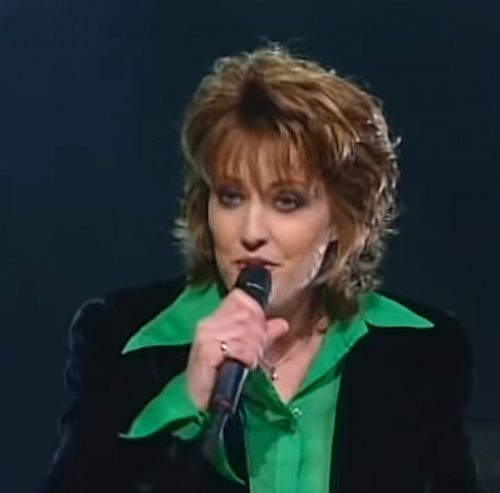
A Random UK Entry

Reflecting on the UK’s Eurovision history, let’s revisit Molly‘s “Children of the Universe”. Molly’s full name is Molly Smitten-Downes. Right after Eurovision, she performed at the Glastonbury Festival. Molly also writes songs for others.

Betting Odds

As of now, Remember Monday’s “What the Hell Just Happened?” might end up in the middle of the scoreboard. Currently, the country is 13th in line to win the Eurovision Song Contest. This is definitely not a bad score for the United Kingdom.​

We eagerly await the Eurovision Song Contest in Basel and look forward to witnessing Remember Monday’s performance on the grand stage.

Related news

History

70 years of Eurovision: the first years

The Eurovision Song Contest is celebrating its 70th anniversary. That is a wonderful milestone. We at Eurovision Universe love diving into the history of the contest. That is why we are taking a closer look at the contests of the past 70 years. 1956 Seven countries lined up at the start of the Song Contest. Lugano, Switzerland hosted the event. Belgium, Germany, France, Italy, Luxembourg, the Netherlands, and Switzerland took part. Each country could submit two songs, which helped fill the programme. Lohengrin Filipello presented the show entirely in Italian. The scoring lacked suspense. Two jurors from each country gave their verdict. At the end of the evening, Rolf Liebermann, the Martin Green of his time, came on stage and announced Switzerland as the winner. That result did not come as a surprise. Luxembourg did not send any jurors and instead asked two Swiss jurors to vote on their behalf. The winning song was the Swiss “Refrain”. When singer Lys Assia had to sing her song again, it became too much for her. She said she was overcome by emotions and decided to start over. Few moving images of the festival have survived; however, an audio recording does. 1957 United Kingdom, Denmark, and Austria joined the seven already participating countries. The contest was held in Frankfurt am Main, Germany. And this time, there was a voting procedure. Host Anaid Iplikjan had an assistant who established the telephone connections. It was a tough job for the presenter: not every jury chairman had read the instructions properly. Anaid had to constantly make adjustments. One entry that should not go unmentioned is that of Denmark. Birthe Wilke and Gustav Winckler played a fishing couple. She said goodbye to him because he had to go sailing. The act ended with a kiss. At a sign from the director, the two were supposed to let go of each other. However, the person who was supposed to give that sign was not paying attention, causing the kiss to last an extremely long time. And this happened in 1957! It did not get any more exciting after that. The Dutch Corry Brokken won with a landslide. She made quite an impression with her “Net als toen”. This was due in no small part to the beautiful solo by violinist Sem Nijveen. 1958 For the first time, the winning country hosted the Song Contest the following year. Ten countries competed in the AVRO studio in Hilversum. Great Britain skipped this edition, but Sweden made its debut. Hannie Lips served as the host. She only appeared after all the songs had been performed. At that point, she explained that technical problems had prevented some countries from broadcasting the first entry, Italy’s song. The organisers therefore repeated it. He did not win. However, it was a lucrative experience for the Italian Domenico Modugno. His song “Nel blu dipinto di blu”, under the title “Volare”, probably became the biggest Eurovision hit ever. Countless versions have been made of it. Dean Martin’s is the best known, but David Bowie and Paul McCartney also sang the song. The battle for first place was incredibly exciting. This one was between France and Switzerland. 1956 winner Lys Assia seemed poised to take first place with her “Giorgio”. She just missed out. It was the Frenchman AndrĂ© Claveau who claimed first place with “Dors mon amour”. And for anyone who thinks he went on to buy a villa or a yacht with the proceeds from this song: not at all. He happily announced that he could now purchase an extra cow for his herd!

Read More »
History
Martijn

70 years of Eurovision: the first years

The Eurovision Song Contest is celebrating its 70th anniversary. That is a wonderful milestone. We at Eurovision Universe love diving into the history of the contest. That is why we are taking a closer look at the contests of the past 70 years. 1956 Seven countries lined up at the start of the Song Contest. Lugano, Switzerland hosted the event. Belgium, Germany, France, Italy, Luxembourg, the Netherlands, and Switzerland took part. Each country could submit two songs, which helped fill the programme. Lohengrin Filipello presented the show entirely in Italian. The scoring lacked suspense. Two jurors from each country gave their verdict. At the end of the evening, Rolf Liebermann, the Martin Green of his time, came on stage and announced Switzerland as the winner. That result did not come as a surprise. Luxembourg did not send any jurors and instead asked two Swiss jurors to vote on their behalf. The winning song was the Swiss “Refrain”. When singer Lys Assia had to sing her song again, it became too much for her. She said she was overcome by emotions and decided to start over. Few moving images of the festival have survived; however, an audio recording does. 1957 United Kingdom, Denmark, and Austria joined the seven already participating countries. The contest was held in Frankfurt am Main, Germany. And this time, there was a voting procedure. Host Anaid Iplikjan had an assistant who established the telephone connections. It was a tough job for the presenter: not every jury chairman had read the instructions properly. Anaid had to constantly make adjustments. One entry that should not go unmentioned is that of Denmark. Birthe Wilke and Gustav Winckler played a fishing couple. She said goodbye to him because he had to go sailing. The act ended with a kiss. At a sign from the director, the two were supposed to let go of each other. However, the person who was supposed to give that sign was not paying attention, causing the kiss to last an extremely long time. And this happened in 1957! It did not get any more exciting after that. The Dutch Corry Brokken won with a landslide. She made quite an impression with her “Net als toen”. This was due in no small part to the beautiful solo by violinist Sem Nijveen. 1958 For the first time, the winning country hosted the Song Contest the following year. Ten countries competed in the AVRO studio in Hilversum. Great Britain skipped this edition, but Sweden made its debut. Hannie Lips served as the host. She only appeared after all the songs had been performed. At that point, she explained that technical problems had prevented some countries from broadcasting the first entry, Italy’s song. The organisers therefore repeated it. He did not win. However, it was a lucrative experience for the Italian Domenico Modugno. His song “Nel blu dipinto di blu”, under the title “Volare”, probably became the biggest Eurovision hit ever. Countless versions have been made of it. Dean Martin’s is the best known, but David Bowie and Paul McCartney also sang the song. The battle for first place was incredibly exciting. This one was between France and Switzerland. 1956 winner Lys Assia seemed poised to take first place with her “Giorgio”. She just missed out. It was the Frenchman AndrĂ© Claveau who claimed first place with “Dors mon amour”. And for anyone who thinks he went on to buy a villa or a yacht with the proceeds from this song: not at all. He happily announced that he could now purchase an extra cow for his herd!

Read More »
Follow Us: