đŸ‡±đŸ‡č Road to Malmö: Lithuania

We can not wait for the Eurovision Song Contest in Malmö. Therefore, we have a closer look at one of the contestants every day. Today: Lithuania.

Silvester Belt

Silvestras Beltė, known as Silvester Belt, is a distinguished Lithuanian singer-songwriter born on 26 November 1997 in Kaunas. Educated at the University of Westminster, London, with a degree in Commercial Music Performance, Beltė swiftly returned to Lithuania post-graduation to delve into the electronic/pop music scene. His breakthrough came in 2017 as the victor of Lithuania’s reality show AĆĄ – superhitas, leading to his move to Vilnius and the release of his debut single “Noise.” Beltė’s talents also extended behind the scenes in 2 Barai, a Lithuanian reality show. Despite an early exit in X Faktorius’ sixth season, his competitive spirit never waned. On 17 february 2024, Beltė was announced as Lithuania’s representative for the Eurovision Song Contest 2024 with his song “Luktelk,” showcasing his ascension in the music industry.

Eurovizija.lt

For the first time, the name of the Lithuanian national selection was Eurovizija.lt. However, the format did not really change. 5 semifinals with 8 songs each were held. Two songs in every semifinal went through to the final. We saw some familiar names in the national selection: Andrius Pojavis (ESC 2013), Vilija (ESC 2014) and The Roop (ESC 2020 and 2021). However, only The Roop reached the final.

Lithuania in the Eurovision Song Contest

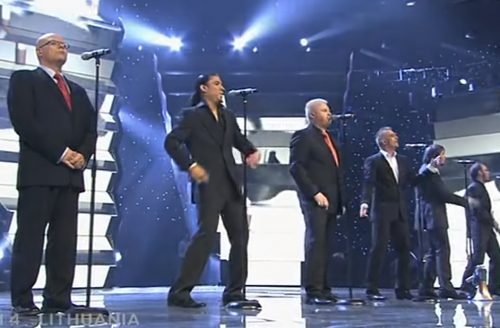
The first time Lithuania participated in the Eurovision Song Contest was in 1994. After gaining no points at all, the country quit, to return in 1999. This year marks their 24th participation. So far, Lithuania never reached the top-5. In 2006, LT United reached a 6th place with the song “We are the winners”. In later years Donny Montel (9th in 2016) and The Roop (8th in 2021) reached the top-10. Will Silvester Belt break the record and reach the top-5?

Bookmakers

Currently, Lithuania is on the 12th spot to win the contest. Although the betting odds for semifinal one don’t seem to be ready yet, we can safely say that Lithuania will reach their top-10 and go on to the final. That means, according to the bookmakers.

The song

And this is the song:

Related news

Uncategorized

70 years of Eurovision: politics and heart problems

The Eurovision Song Contest is celebrating its 70th anniversary. That is a wonderful milestone. We at Eurovision Universe love diving into the history of the contest. That is why we are taking a closer look at the contests of the past 70 years. 2016 MĂ„ns Zelmerlöw hosted the 2016 Eurovision Song Contest together with the inevitable Petra Meede. The contest was held at the Globe Arena in Stockholm. Bulgaria, Croatia, Bosnia and Herzegovina, and Ukraine returned. Portugal and Romania did not participate. The songs Bojan Jovović of the Montenegrin group No Name returned in a different band, Highway. Greta SalomĂ© took the stage for Iceland for the second time. The Bosnian Deen also participated for a second time. Kaliopi was once again the Macedonian candidate. Bulgaria sent Poli Genova again, who was much more successful with “If Love Was A Crime” than during her first participation. Poli managed to achieve a record for Bulgaria: a fourth place. Donny Montell tried for a second time for Lithuania, and Ira Losco took the stage for Malta again. The latter set aside her winning national final song in search of a better track, and found it in “Walk on Water”. All in all, a festival with a lot of experience. There were famous names as well. Ireland sent Nicky Byrne, former member of the boy band Westlife. In vain; he did not make it to the final. Sergey Lazarev was already a huge star in Russia and the surrounding countries. The fact that he participated was therefore remarkable. He was also considered the favorite for the final victory. The images on the LED screens made it seem as if Sergey was in a kind of music video. While singing “You Are The Only One,” it looked as if he was sitting on boulders and jumping from one block to another. The Belarusian Ivan attracted attention. He wanted to appear on stage naked and with a wolf. The EBU did not allow that. Eventually, the wolf appeared on the LED screen. Ivan did too, naked, but neatly covered. Mental health issues plagued the Norwegian singer Agnete: she did not appear at press conferences. And perhaps she didn’t mind too much that she didn’t make it to the final. She called her performance a victory in itself. The final The final was opened by Laura Tesoro from Belgium. No one in Belgium had any confidence in a good outcome for Laura. That is, until they saw Laura’s act and confident performance in Stockholm. Laura achieved a respectable tenth place. The Dutchman Douwe Bob did something special during his performance. In the song “Slow Down,” he inserted a ten-second silence to emphasize the lyrics. Swedish participant Frans managed to score a modest European hit with his song “If I Were Sorry.” The Pole MichaƂ Szpak scored surprisingly high with the televoter, something that caused much grumbling about the Polish diaspora. South Korean-born Dami Im represented Australia, where she had lived for almost her entire life. “Sound of Silence” was in contention for the final victory right up to the very end. ZoĂ« also stood out; this Austrian sang her song “Loin d’Ici” entirely in French. Final Battle The EBU had decided to change the voting method. Those exciting ‘twelve points’ were now the points from the professional jury. The televoter points were added together and announced by the presenters from bottom to top. This kept the festival exciting until the very last moment. The Australian Dami Im was the favorite with the professional jury, but the Russian Sergey Lazarev won with the televoter. Ultimately, the country that came second with both juries won: Ukraine. Jamala The Ukrainian Jamala had previously participated in the national final. With her song “1944”, she won for the first time. This song was about the deportation and murder of the Crimean Tatars by Stalin in 1944. “When strangers are coming, they come to your house, they kill you all and say: we’re not guilty”. Ukraines song was about a historical fact but could hardly be viewed separately from the Russian occupation of Crimea in 2014. The Russians were of course not amused that this particular song prevented them from achieving a second victory. 2017 Eurovision went to Kyiv again. The event was held at the International Exhibition Centre. For the first time, three men hosted it: Oleksandr Skichko, Volodymyr Ostapchuk, and Timur Miroshnychenko. Portugal and Romania participated again, but Bosnia and Herzegovina withdrew. Russia was going to participate, but Ukraine presented a list of Russian artists who had performed in Crimea. By doing so, they had violated Ukrainian law and were not allowed into the country. It took some searching, but eventually the Russians found someone who *had* performed in Crimea but was not on the list. The singer was the severely physically disabled Julia Samoylova. It was thought that the Ukrainians would not refuse someone in a wheelchair at the border. However, Samoylova was not allowed into the country. The Russians subsequently withdrew. The songs Tamara Gachechiladze had almost participated before, as a member of the group 3G. At the time, she sang “We Don’t Wanna Put In”. Now she was allowed to participate. Omar Naber already competed for Slovenia in 2005, and now again. And for the second time, he failed to reach the final. Valentina Monetta participated for San Marino for no less than the fourth time. The Estonian duo had also participated before, but not together: Koit Toome in 1998, Laura PĂ”ldvere in 2005. The ‘epic sax guy’ also competed once again as a member of The Sunstroke Project. With a 4th place finish, the group was very successful this time. Francesco Gabbani from Italy was number 1 in the odds for a long time. His “Occidentali’s Karma” and the monkey act were perhaps starting to wear thin. He finished only sixth. There was another country with an animal (or part of an animal) on stage. The Azerbaijani Dihaj was accompanied by a dancer with a

Read More »
Uncategorized
Martijn

70 years of Eurovision: politics and heart problems

The Eurovision Song Contest is celebrating its 70th anniversary. That is a wonderful milestone. We at Eurovision Universe love diving into the history of the contest. That is why we are taking a closer look at the contests of the past 70 years. 2016 MĂ„ns Zelmerlöw hosted the 2016 Eurovision Song Contest together with the inevitable Petra Meede. The contest was held at the Globe Arena in Stockholm. Bulgaria, Croatia, Bosnia and Herzegovina, and Ukraine returned. Portugal and Romania did not participate. The songs Bojan Jovović of the Montenegrin group No Name returned in a different band, Highway. Greta SalomĂ© took the stage for Iceland for the second time. The Bosnian Deen also participated for a second time. Kaliopi was once again the Macedonian candidate. Bulgaria sent Poli Genova again, who was much more successful with “If Love Was A Crime” than during her first participation. Poli managed to achieve a record for Bulgaria: a fourth place. Donny Montell tried for a second time for Lithuania, and Ira Losco took the stage for Malta again. The latter set aside her winning national final song in search of a better track, and found it in “Walk on Water”. All in all, a festival with a lot of experience. There were famous names as well. Ireland sent Nicky Byrne, former member of the boy band Westlife. In vain; he did not make it to the final. Sergey Lazarev was already a huge star in Russia and the surrounding countries. The fact that he participated was therefore remarkable. He was also considered the favorite for the final victory. The images on the LED screens made it seem as if Sergey was in a kind of music video. While singing “You Are The Only One,” it looked as if he was sitting on boulders and jumping from one block to another. The Belarusian Ivan attracted attention. He wanted to appear on stage naked and with a wolf. The EBU did not allow that. Eventually, the wolf appeared on the LED screen. Ivan did too, naked, but neatly covered. Mental health issues plagued the Norwegian singer Agnete: she did not appear at press conferences. And perhaps she didn’t mind too much that she didn’t make it to the final. She called her performance a victory in itself. The final The final was opened by Laura Tesoro from Belgium. No one in Belgium had any confidence in a good outcome for Laura. That is, until they saw Laura’s act and confident performance in Stockholm. Laura achieved a respectable tenth place. The Dutchman Douwe Bob did something special during his performance. In the song “Slow Down,” he inserted a ten-second silence to emphasize the lyrics. Swedish participant Frans managed to score a modest European hit with his song “If I Were Sorry.” The Pole MichaƂ Szpak scored surprisingly high with the televoter, something that caused much grumbling about the Polish diaspora. South Korean-born Dami Im represented Australia, where she had lived for almost her entire life. “Sound of Silence” was in contention for the final victory right up to the very end. ZoĂ« also stood out; this Austrian sang her song “Loin d’Ici” entirely in French. Final Battle The EBU had decided to change the voting method. Those exciting ‘twelve points’ were now the points from the professional jury. The televoter points were added together and announced by the presenters from bottom to top. This kept the festival exciting until the very last moment. The Australian Dami Im was the favorite with the professional jury, but the Russian Sergey Lazarev won with the televoter. Ultimately, the country that came second with both juries won: Ukraine. Jamala The Ukrainian Jamala had previously participated in the national final. With her song “1944”, she won for the first time. This song was about the deportation and murder of the Crimean Tatars by Stalin in 1944. “When strangers are coming, they come to your house, they kill you all and say: we’re not guilty”. Ukraines song was about a historical fact but could hardly be viewed separately from the Russian occupation of Crimea in 2014. The Russians were of course not amused that this particular song prevented them from achieving a second victory. 2017 Eurovision went to Kyiv again. The event was held at the International Exhibition Centre. For the first time, three men hosted it: Oleksandr Skichko, Volodymyr Ostapchuk, and Timur Miroshnychenko. Portugal and Romania participated again, but Bosnia and Herzegovina withdrew. Russia was going to participate, but Ukraine presented a list of Russian artists who had performed in Crimea. By doing so, they had violated Ukrainian law and were not allowed into the country. It took some searching, but eventually the Russians found someone who *had* performed in Crimea but was not on the list. The singer was the severely physically disabled Julia Samoylova. It was thought that the Ukrainians would not refuse someone in a wheelchair at the border. However, Samoylova was not allowed into the country. The Russians subsequently withdrew. The songs Tamara Gachechiladze had almost participated before, as a member of the group 3G. At the time, she sang “We Don’t Wanna Put In”. Now she was allowed to participate. Omar Naber already competed for Slovenia in 2005, and now again. And for the second time, he failed to reach the final. Valentina Monetta participated for San Marino for no less than the fourth time. The Estonian duo had also participated before, but not together: Koit Toome in 1998, Laura PĂ”ldvere in 2005. The ‘epic sax guy’ also competed once again as a member of The Sunstroke Project. With a 4th place finish, the group was very successful this time. Francesco Gabbani from Italy was number 1 in the odds for a long time. His “Occidentali’s Karma” and the monkey act were perhaps starting to wear thin. He finished only sixth. There was another country with an animal (or part of an animal) on stage. The Azerbaijani Dihaj was accompanied by a dancer with a

Read More »
Follow Us: