
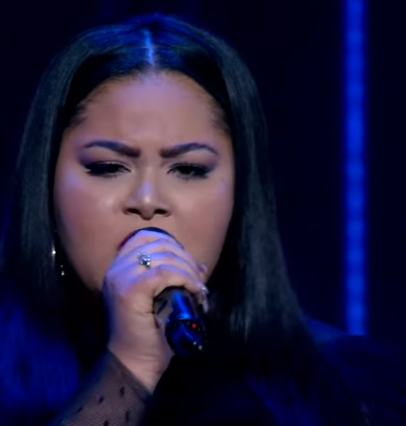
Road to Rotterdam: Malta

Who says Destiny, says Eurovision. In 2015 she won the Junior Song Contest. In 2019 she gave vocal support to Maltese candidate Michela at the ESC. No one had any doubts that Destiny would win X-Factor Malta 2020, and with this victory the ticket to the Eurovision Song Contest. For the contest she got the song “All of my love”, but the Eurovision Song Contest was canceled. Malta chose to send Destiny on the road again, this time with “Je me casse”. This song is, at this moment, the hot favorite with the bookies.
Anyone wondering how Destiny Chukunyere got such a non-Maltese name: she has a Nigerian father. Her life does not only consist of song contests: in 2017 she participated in the talent show Brittain’s Got Talent and came sixth there.

Related news

Uncategorized

70 years of Eurovision: twice the same winner

The Eurovision Song Contest is celebrating its 70th anniversary. That is a wonderful milestone. We at Eurovision Universe love diving into the history of the contest. That is why we are taking a closer look at the contests of the past 70 years. 1978 The 1978 Eurovision Song Contest was held in Paris. A record number of twenty countries participated. Although there were no new countries, Turkey, Greece, and even Denmark returned. Also new was the double presentation: Leon Zitrone and Denise Fabre hosted the show together. Every five songs, one of the two would announce which countries the viewer could expect. Jean Vallée participated for Belgium for the second time. This time, he had a ballad that was expected to score highly, perhaps even win. Ireen Sheer, a previous participant for Luxembourg, now sang for Germany. In the field of participants, we certainly must not forget Jahn Teigen. With his sunglasses and suspenders, he stood out quite a bit. A newspaper described Teigen as ‘The Singing Circular Saw’. He didn’t get a single point. There were big stars as well. Ricchi e Poveri participated for Italy. Rumour has it that the blonde singer of the group was wearing nothing under her dress. This rumor has never been confirmed. The ladies of Baccara, the Spanish duo that caused a sensation with “Yes Sir, I Can Boogie”, represented Luxembourg. The dance was fine, the singing somewhat less so. Nevertheless, they finished seventh. And then there was Björn Skifs, who enjoyed international fame as the singer of the group Blue Suede. Skifs opened his performance with the lyrics “Sorry I kept you waiting but… here’s the top of the bill”. After that, he opened his song with the lyrics “Röb min fös och hitte knö”. That isn’t Swedish, but it sounds like it. Skifs had forgotten his lyrics. Also noteworthy was the Greek singer Tania Tsanaclidou. She paid tribute to the recently deceased Charlie Chaplin. Armed with a bowler hat and walking stick, she sang her song to an eighth place. Izhar Cohen & The Alpha Beta Israel achieved a victory for the first time. Izhar Cohen & The Alpha Beta were added to the national final at the very last moment. No suitable performer had been found for another song (but more on that later). The song, “A-ba-ni-bi”, actually came from a children’s song festival. It was about a children’s game, the B-Language, in which every syllable is repeated, but with a B in front of it. The Hebrew word Ani (I) thus becomes “A-ba-ni-bi”. To this day, they do not know all of this in Jordan. The festival was broadcast, but the Israeli entry was not. When it turned out that Israel would win, it was decided in Jordan not to announce it. Belgium, which came second, was presented there as the winner. 1979 Jerusalem was the venue in 1979. Once again, two presenters did the work: Daniel Peer and Yardena Arazi. The latter had participated herself for Israel in 1976. Originally, 20 countries were to participate. Turkey, which already had a song, had to withdraw under pressure of the Arab oil-producing countries. Sandra Reemer participated for the Netherlands for the third time, now under the name Xandra and with a fake ponytail. Anita Skorgan returned for Norway. Former winner Anne-Marie David represented France. Peter, Sue & Marc also participated again; this time together with Pfuri, Gorps and Kniri, a trio that could be heard playing a rake, a watering can, and a garden hose as instruments. Also noteworthy was the act from Germany: Dschinghis Khan, with a song of the same name. This hymn of praise to the Mongolian leader can be called remarkable, to say the least. The striking act the group performed was meant to conceal the fact that the song contained phrases such as “Come on brothers, drink brothers, rob brothers” and “He fathered seven children in one night.”  Micha Marah participated for Belgium. For weeks, she sing six songs in preliminary rounds. Every week, one snog was eliminated. Eventually, three remained for the final. And of course, that very one song she didn’t like, ‘Hey Nanah’, turned out to be the winner. Micha Marah was so angry that the Belgian broadcaster feared Micha would withdraw. Backing singer Nancy Dee was ready to replace her. In the end, Micha sang after all. For Spain, the Peruvian Betty Missiego took the stage. She sang “Su canción”, but she didn’t do it alone. Four young schoolchildren sat cross-legged around her, to later flank her as a backing choir. These were perhaps the youngest children ever on stage. Gali Atari & Milk and Honey Spain came very close to winning. When the final jury had to cast their points, Betty Missiego had a one-point lead over host country Israel. But it was Spain that still had to vote. The Spanish jury gave 10 points to Israel. The group Milk and Honey, with singer Gali Atari, won with that. And the winning “Hallelujah” became a classic in the world of Eurovision. That came very close, by the way. The year before, the winning “A-ba-ni-bi” was the reserve candidate. Initially, “Hallelujah” was supposed to participate back then. However, no one could be found who wanted to sing it. How times change…

Read More »
Uncategorized
Martijn

70 years of Eurovision: twice the same winner

The Eurovision Song Contest is celebrating its 70th anniversary. That is a wonderful milestone. We at Eurovision Universe love diving into the history of the contest. That is why we are taking a closer look at the contests of the past 70 years. 1978 The 1978 Eurovision Song Contest was held in Paris. A record number of twenty countries participated. Although there were no new countries, Turkey, Greece, and even Denmark returned. Also new was the double presentation: Leon Zitrone and Denise Fabre hosted the show together. Every five songs, one of the two would announce which countries the viewer could expect. Jean Vallée participated for Belgium for the second time. This time, he had a ballad that was expected to score highly, perhaps even win. Ireen Sheer, a previous participant for Luxembourg, now sang for Germany. In the field of participants, we certainly must not forget Jahn Teigen. With his sunglasses and suspenders, he stood out quite a bit. A newspaper described Teigen as ‘The Singing Circular Saw’. He didn’t get a single point. There were big stars as well. Ricchi e Poveri participated for Italy. Rumour has it that the blonde singer of the group was wearing nothing under her dress. This rumor has never been confirmed. The ladies of Baccara, the Spanish duo that caused a sensation with “Yes Sir, I Can Boogie”, represented Luxembourg. The dance was fine, the singing somewhat less so. Nevertheless, they finished seventh. And then there was Björn Skifs, who enjoyed international fame as the singer of the group Blue Suede. Skifs opened his performance with the lyrics “Sorry I kept you waiting but… here’s the top of the bill”. After that, he opened his song with the lyrics “Röb min fös och hitte knö”. That isn’t Swedish, but it sounds like it. Skifs had forgotten his lyrics. Also noteworthy was the Greek singer Tania Tsanaclidou. She paid tribute to the recently deceased Charlie Chaplin. Armed with a bowler hat and walking stick, she sang her song to an eighth place. Izhar Cohen & The Alpha Beta Israel achieved a victory for the first time. Izhar Cohen & The Alpha Beta were added to the national final at the very last moment. No suitable performer had been found for another song (but more on that later). The song, “A-ba-ni-bi”, actually came from a children’s song festival. It was about a children’s game, the B-Language, in which every syllable is repeated, but with a B in front of it. The Hebrew word Ani (I) thus becomes “A-ba-ni-bi”. To this day, they do not know all of this in Jordan. The festival was broadcast, but the Israeli entry was not. When it turned out that Israel would win, it was decided in Jordan not to announce it. Belgium, which came second, was presented there as the winner. 1979 Jerusalem was the venue in 1979. Once again, two presenters did the work: Daniel Peer and Yardena Arazi. The latter had participated herself for Israel in 1976. Originally, 20 countries were to participate. Turkey, which already had a song, had to withdraw under pressure of the Arab oil-producing countries. Sandra Reemer participated for the Netherlands for the third time, now under the name Xandra and with a fake ponytail. Anita Skorgan returned for Norway. Former winner Anne-Marie David represented France. Peter, Sue & Marc also participated again; this time together with Pfuri, Gorps and Kniri, a trio that could be heard playing a rake, a watering can, and a garden hose as instruments. Also noteworthy was the act from Germany: Dschinghis Khan, with a song of the same name. This hymn of praise to the Mongolian leader can be called remarkable, to say the least. The striking act the group performed was meant to conceal the fact that the song contained phrases such as “Come on brothers, drink brothers, rob brothers” and “He fathered seven children in one night.”  Micha Marah participated for Belgium. For weeks, she sing six songs in preliminary rounds. Every week, one snog was eliminated. Eventually, three remained for the final. And of course, that very one song she didn’t like, ‘Hey Nanah’, turned out to be the winner. Micha Marah was so angry that the Belgian broadcaster feared Micha would withdraw. Backing singer Nancy Dee was ready to replace her. In the end, Micha sang after all. For Spain, the Peruvian Betty Missiego took the stage. She sang “Su canción”, but she didn’t do it alone. Four young schoolchildren sat cross-legged around her, to later flank her as a backing choir. These were perhaps the youngest children ever on stage. Gali Atari & Milk and Honey Spain came very close to winning. When the final jury had to cast their points, Betty Missiego had a one-point lead over host country Israel. But it was Spain that still had to vote. The Spanish jury gave 10 points to Israel. The group Milk and Honey, with singer Gali Atari, won with that. And the winning “Hallelujah” became a classic in the world of Eurovision. That came very close, by the way. The year before, the winning “A-ba-ni-bi” was the reserve candidate. Initially, “Hallelujah” was supposed to participate back then. However, no one could be found who wanted to sing it. How times change…

Read More »
Follow Us: