🇦🇹 Austria in the Eurovision Song Contest – final episode

📷 EBU/Corinne Cumming

In this final episode of our series on Austria in the Eurovision Song Contest, we cover the years 2019–2025. We’ll look at each Austrian entry’s national selection process (if any), the song’s lyricists and composers, musical style, Eurovision score, and a few facts about the artist.

2019 – PÆNDA – “Limits”

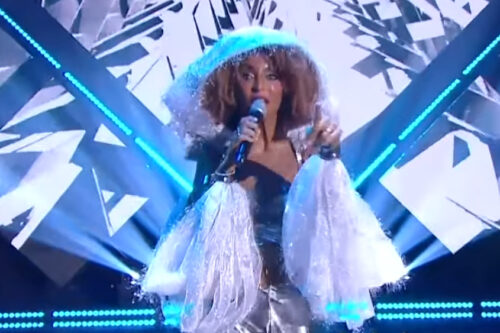
In 2019, Austria internally selected singer-songwriter PÆNDA (Gabriela Horn) to perform the song “Limits” at Eurovision. PÆNDA wrote and composed the song herself; a minimalist electro-pop ballad that highlights her ethereal vocals and emotional songwriting. The lyrics describe pushing oneself too far and hitting personal limits. Despite its intimate staging and artistic vibe, Limits failed to advance from the semi-finals, placing 17th in Semi-Final 2. PÆNDA, a native of Styria, is an EDM-pop producer who launched her project in 2016. She blends underground electronic beats with catchy pop elements, and her Eurovision entry appeared on her 2019 album Evolution II

2020 – Vincent Bueno – “Alive”

For Eurovision 2020, ORF internally selected Vincent Bueno to represent Austria. “Alive” is an upbeat pop track with R&B and funk influences. Vincent co-wrote the song with a team including David “Davey” Yang and Felix van Göns. The track’s groovy bassline and falsetto riffs convey a message of liberation. It’s about feeling truly “alive” by letting go of one’s ego. Vincent is an Austrian-Filipino singer who first found fame by winning ORF’s musical talent show in 2008. He also performed in theater productions, showcasing his stage experience. Sadly, Eurovision 2020 was cancelled due to the pandemic. As a result, “Alive” never reached the Rotterdam stage and received no final score.

2021 – Vincent Bueno – “Amen”

In 2021, Austria kept faith with Vincent Bueno, who returned with the power ballad “Amen”. ORF again internally selected Vincent after 2020’s cancellation. A trio of songwriters – Tobias Carshey, Ashley Hicklin, and Jonas Thander – crafted “Amen”. The entry starts as a gentle pop ballad and swells into a gospel-tinged climax, allowing Vincent to showcase soulful vocal runs. Lyrically, it’s an emotional farewell to a failed relationship, with the title evoking a final prayer or conclusion. Vincent’s performance in Rotterdam featured minimalist staging to match the song’s sincerity. However, “Amen” did not qualify for the Grand Final, placing 12th in its semi-final with 66 points. Vincent Bueno’s experience in show business, he’s a Musical! Die Show 2008 winner and skilled performer, was evident in his poised delivery, even if Austria missed out on the final.

2022 – LUM!X feat. Pia Maria – “Halo”

For 2022, Austrian DJ LUM!X (Luca Michlmayr) teamed up with newcomer Pia Maria for the high-energy song “Halo”. ORF internally selected the duo for Eurovision 2022. A songwriting team including LUM!X himself, Italian DJ Gabry Ponte, Norwegian producer Anders Nilsen, Swedish songwriter Rasmus Flyckt, and Canadian singer-songwriter Sophie Simmons wrote “Halo”. The track is a high-BPM dance number with a pulsating beat and a catchy hook. On stage in Turin, LUM!X worked the DJ decks while Pia Maria sang amid vibrant neon visuals. Despite the song’s hit potential, the live vocals were shaky and Austria failed to reach the final. “Halo” finished 15th in its semi-final (42 points). At the time, LUM!X was only 19 and already had viral hits like “Monster.” Meanwhile, 18-year-old Pia Maria was a newcomer making her live TV debut.

2023 – Teya & Salena – “Who the Hell Is Edgar?”

Austria took a witty turn in 2023 with “Who the Hell Is Edgar?”, a satirical electropop duet by Teya & Salena. The pair – Teodora “Teya” Špirić and Selina “Salena” Edbauer – were internally selected by ORF. They had written the song together at a songwriting camp. Teya, Salena, Czech producer Ronald Janeček, and Swiss songwriter Pele Loriano co-wrote “Who the Hell Is Edgar?”. It’s an up-tempo track with tongue-in-cheek lyrics about being “possessed” by the ghost of Edgar Allan Poe. This is a metaphor for the struggles of female songwriters in the music industry. The catchy “Poe, Poe, Poe” hook and quirky choreography made it one of that year’s most memorable entries. Teya & Salena’s charismatic performance carried Austria to the Grand Final in Liverpool, where they finished 15th with 120 points. The song also sparked conversations about streaming royalties and sexism – topics cleverly referenced in its lyrics.

2024 – Kaleen – “We Will Rave”

In 2024, Austria sent Kaleen (Marie-Sophie Kreissl) to Eurovision with the song “We Will Rave”. ORF held an internal selection with live auditions to choose Kaleen. “We Will Rave” is a techno-pop banger written by Anderz Wrethov, Jimmy “Joker” Thörnfeldt, Julie Aagaard (Kill J), and Thomas Stengaard. Its thumping bass and EDM drops created a rave-like atmosphere on stage. Kaleen delivered a flashy, dance-heavy performance befitting her background as a professional dancer. Austria ultimately struggled in the Grand Final – “We Will Rave” finished 24th (second-last) with only 24 points. Kaleen was already a five-time world dance champion and had worked on Eurovision shows as a choreographer and creative director. Yet 2024 was her first time stepping into the Eurovision spotlight as a singer.

2025 – JJ – “Wasted Love”

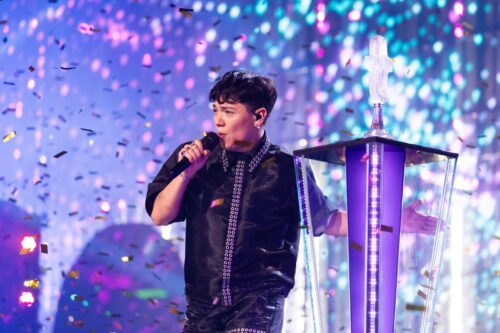
Austria achieved a historic victory in 2025 when JJ took the Eurovision crown with “Wasted Love”. ORF internally selected JJ (born Johannes Pietsch) to represent Austria. He co-wrote this operatic pop ballad with Teodora Špirić (Teya, see 2023) and composer Thomas Thurner. Orchestral strings and a melody that builds to a powerful climax make the song a perfect showcase for JJ’s soaring countertenor vocals. The lyrics lament lost love, delivered with the emotional intensity of a classical aria. “Wasted Love” captivated the audience, ultimately winning the Eurovision 2025 final with 436 points. At 24, JJ was already performing as a countertenor at the Vienna State Opera and had been a finalist on ORF’s Starmania in 2021. This triumph marked Austria’s third-ever Eurovision win.

sources: Eurovision.tv, de.wikipedia.org, en.wikipedia.org

Related news

Eurovision 2026

Road to Vienna: San Marino

Road to Vienna: San Marino As the Eurovision Song Contest 2026 in Vienna approaches, we continue our daily spotlight on this year’s contestants. Today, we focus on San Marino. Senhit: From Musical Theatre to Eurovision Senhit, born in Bologna to Eritrean parents, began her career in musical theatre. In the late 1990s and early 2000s, she toured across Europe, starring in major productions like Fame, The Lion King, and Hair. These roles helped shape her stage presence and artistic foundation. Transition to Music and Early Albums After returning to Italy, Senhit launched her music career with her debut album Senit (2006), followed by Un tesoro è necessariamente nascosto (2007). In 2009, she released So High, an English-language album that highlighted her versatility in pop music. Eurovision Debut and Career Growth Senhit represented San Marino at Eurovision 2011 with “Stand By.” Although she didn’t reach the final, it boosted her international visibility. She continued releasing singles, rebranded from “Senit” to “Senhit” in 2014, and built a strong presence in the European club scene, leading to her EP Hey Buddy (2017). Eurovision Comeback and “Adrenalina” Success Selected again for Eurovision 2020, her entry was canceled due to the pandemic. She returned in 2021 with “Adrenalina” featuring Flo Rida, reaching the final and gaining major streaming success, becoming a fan favorite across Europe. Recent Music and Projects In recent years, Senhit has stayed active with new releases, live performances, and hosting San Marino’s national selection show. Her 2024 album Dangerous includes collaborations with top international producers and artists. Eurovision 2026 Return In 2026, Senhit won San Marino’s national selection with “Superstar,” featuring Boy George. This marks her third Eurovision appearance, reinforcing her status as a dynamic and enduring figure in the pop music scene. Boy George: An 80s Icon Boy George, born George Alan O’Dowd in London, grew up in a working-class Irish family. Inspired by glam rock legend David Bowie, he developed a passion for music early on. His bold, androgynous style and love for performance quickly made him stand out in London’s vibrant club scene. Culture Club and Global Fame In 1981, Boy George formed Culture Club, achieving worldwide success with hits like “Do You Really Want to Hurt Me” and “Karma Chameleon.” By the mid-1980s, the band became one of the biggest pop acts globally, winning a Grammy Award and multiple Brit Awards. His unique voice and image made him a defining figure of 80s pop culture. Challenges and Solo Career Facing personal struggles and addiction, Culture Club disbanded in 1986. Boy George later rebuilt his career with solo hits like “Everything I Own” and “The Crying Game.” He also explored DJing and dance music while becoming an influential LGBTQ+ icon. Reinvention and Creative Projects From the late 1990s onward, Boy George reunited with Culture Club and expanded into new ventures. He created the musical Taboo and remained active in music, television, and writing. Despite legal setbacks, he achieved sobriety and continued evolving as an artist. Legacy and Continued Success In the 2010s, Boy George appeared on shows like The Voice UK and toured globally. With over 50 million records sold, he is widely recognized as a trailblazer in music, fashion, and LGBTQ+ representation. Eurovision 2026 Debut In 2026, Boy George joins Senhit to represent San Marino at the Eurovision Song Contest 2026 with their song “Superstar.” This marks his long-awaited Eurovision debut, adding a new chapter to his legendary career. Superstar: Confidence and Self-Expression Set in a vibrant nightlife atmosphere, “Superstar” explores a world where appearances matter. People try to impress, creating a sense of pressure and expectation. In contrast, one person stands out—not for confidence, but for insecurity and self-doubt. From Insecurity to Empowerment As the song develops, it shifts into a powerful message of growth. The lyrics encourage stepping out of the shadows and embracing who you are. What starts as uncertainty transforms into confidence and self-belief. Strength Through Struggles References to heartbreak and emotional scars add depth to the story. The song highlights that true confidence doesn’t come from perfection, but from overcoming challenges and learning from past experiences. Embracing Individuality The second verse celebrates uniqueness, describing the individual as strong and valuable. Differences are not flaws—they are strengths. The journey through hardship becomes a source of inner power. Be Your Own Superstar At its heart, “Superstar” is about authenticity. It reminds listeners that being a “superstar” isn’t about fame, but about self-acceptance. By embracing imperfections and showing your true self, you turn vulnerability into confidence. San Marino in the Eurovision Song Contest San Marino has participated in the Eurovision Song Contest since 2008. Despite being one of the smallest countries in the competition, it has made notable contributions, with its best result in 2019 when Serhat‘s “Say Na Na Na” finished 19th in the Grand Final. But when we talk about San Marino, we must not forget Valentina Monetta. She participated for her country on no less than four occasions. She was, in 2014, the first one to bring San Marino to the final. The Bookmakers Ranked 27th with the bookmakers, San Marino faces an uphill battle — will they defy the odds and make it to the final?    

Read More »
Eurovision 2026
Anja Kroeze

Road to Vienna: San Marino

Road to Vienna: San Marino As the Eurovision Song Contest 2026 in Vienna approaches, we continue our daily spotlight on this year’s contestants. Today, we focus on San Marino. Senhit: From Musical Theatre to Eurovision Senhit, born in Bologna to Eritrean parents, began her career in musical theatre. In the late 1990s and early 2000s, she toured across Europe, starring in major productions like Fame, The Lion King, and Hair. These roles helped shape her stage presence and artistic foundation. Transition to Music and Early Albums After returning to Italy, Senhit launched her music career with her debut album Senit (2006), followed by Un tesoro è necessariamente nascosto (2007). In 2009, she released So High, an English-language album that highlighted her versatility in pop music. Eurovision Debut and Career Growth Senhit represented San Marino at Eurovision 2011 with “Stand By.” Although she didn’t reach the final, it boosted her international visibility. She continued releasing singles, rebranded from “Senit” to “Senhit” in 2014, and built a strong presence in the European club scene, leading to her EP Hey Buddy (2017). Eurovision Comeback and “Adrenalina” Success Selected again for Eurovision 2020, her entry was canceled due to the pandemic. She returned in 2021 with “Adrenalina” featuring Flo Rida, reaching the final and gaining major streaming success, becoming a fan favorite across Europe. Recent Music and Projects In recent years, Senhit has stayed active with new releases, live performances, and hosting San Marino’s national selection show. Her 2024 album Dangerous includes collaborations with top international producers and artists. Eurovision 2026 Return In 2026, Senhit won San Marino’s national selection with “Superstar,” featuring Boy George. This marks her third Eurovision appearance, reinforcing her status as a dynamic and enduring figure in the pop music scene. Boy George: An 80s Icon Boy George, born George Alan O’Dowd in London, grew up in a working-class Irish family. Inspired by glam rock legend David Bowie, he developed a passion for music early on. His bold, androgynous style and love for performance quickly made him stand out in London’s vibrant club scene. Culture Club and Global Fame In 1981, Boy George formed Culture Club, achieving worldwide success with hits like “Do You Really Want to Hurt Me” and “Karma Chameleon.” By the mid-1980s, the band became one of the biggest pop acts globally, winning a Grammy Award and multiple Brit Awards. His unique voice and image made him a defining figure of 80s pop culture. Challenges and Solo Career Facing personal struggles and addiction, Culture Club disbanded in 1986. Boy George later rebuilt his career with solo hits like “Everything I Own” and “The Crying Game.” He also explored DJing and dance music while becoming an influential LGBTQ+ icon. Reinvention and Creative Projects From the late 1990s onward, Boy George reunited with Culture Club and expanded into new ventures. He created the musical Taboo and remained active in music, television, and writing. Despite legal setbacks, he achieved sobriety and continued evolving as an artist. Legacy and Continued Success In the 2010s, Boy George appeared on shows like The Voice UK and toured globally. With over 50 million records sold, he is widely recognized as a trailblazer in music, fashion, and LGBTQ+ representation. Eurovision 2026 Debut In 2026, Boy George joins Senhit to represent San Marino at the Eurovision Song Contest 2026 with their song “Superstar.” This marks his long-awaited Eurovision debut, adding a new chapter to his legendary career. Superstar: Confidence and Self-Expression Set in a vibrant nightlife atmosphere, “Superstar” explores a world where appearances matter. People try to impress, creating a sense of pressure and expectation. In contrast, one person stands out—not for confidence, but for insecurity and self-doubt. From Insecurity to Empowerment As the song develops, it shifts into a powerful message of growth. The lyrics encourage stepping out of the shadows and embracing who you are. What starts as uncertainty transforms into confidence and self-belief. Strength Through Struggles References to heartbreak and emotional scars add depth to the story. The song highlights that true confidence doesn’t come from perfection, but from overcoming challenges and learning from past experiences. Embracing Individuality The second verse celebrates uniqueness, describing the individual as strong and valuable. Differences are not flaws—they are strengths. The journey through hardship becomes a source of inner power. Be Your Own Superstar At its heart, “Superstar” is about authenticity. It reminds listeners that being a “superstar” isn’t about fame, but about self-acceptance. By embracing imperfections and showing your true self, you turn vulnerability into confidence. San Marino in the Eurovision Song Contest San Marino has participated in the Eurovision Song Contest since 2008. Despite being one of the smallest countries in the competition, it has made notable contributions, with its best result in 2019 when Serhat‘s “Say Na Na Na” finished 19th in the Grand Final. But when we talk about San Marino, we must not forget Valentina Monetta. She participated for her country on no less than four occasions. She was, in 2014, the first one to bring San Marino to the final. The Bookmakers Ranked 27th with the bookmakers, San Marino faces an uphill battle — will they defy the odds and make it to the final?    

Read More »
Follow Us: