đŸ‡«đŸ‡· Road to Malmö: France

photo: EBU

We can not wait for the Eurovision Song Contest in Malmö. Therefore, we have a closer look at one of the contestants every day. Today: France.

Slimane

Slimane Nebchi, widely known as Slimane, is a celebrated French-Algerian singer and songwriter. Born on October 13, 1989, in Chelles, Seine-et-Marne, Slimane’s music is deeply enriched by his Algerian roots, blending diverse cultural influences. He gained fame through his participation in music competitions, notably winning “The Voice: la plus belle voix” in 2016 with 33% of the public vote at age 26. Before this triumph, Slimane had been sharing his compositions online, including notable pieces like “Toi et moi” and the duet “Amour Impossible” with Princesse Sofia. Post-“The Voice,” he released his debut album and several singles, quickly becoming a key figure in the French music scene. Besides his recording achievements, Slimane has taken on roles in musicals, including “Marie-Antoinette et le Chevalier de Maison-Rouge.” His career reached a new milestone when he was chosen to represent France at the Eurovision Song Contest with the song “Mon Amour” in November 2023.

A French winner…. or not?

France won the contest in 1991, and yet they did not. France and Sweden ended up with a tie. Even the amount of twelves was the same. Sweden won because of a higher amount of tens.

Amina Annabi, often just called Amina, is a famous singer from Tunisia who also grew up in France. She sings, acts, and has been making music for a long time. Amina is special because she mixes music from Tunisia with music from France and other places, making her songs interesting and different. Her Eurovision song became the most famous of her songs: “Le Dernier qui a parlĂ©” which means “The Last One to Speak.”

The song “Le Dernier qui a parlĂ©” is really catchy and talks about how important it is to talk and understand each other to make peace. Amina’s beautiful singing and the mix of traditional and modern music made this song stand out. It did really well in the competition and almost won, coming in second place by just one point.

The song became a hit single in various countries.

France in the Eurovision Song Contest

As said, France almost won in 1991. That would have been the 6th victory. The row of French victories started in 1958, when AndrĂ© Claveau won with the song “Dors mon amour”. Two years later, the trophy went to France again, this time thanks to Jacqueline Boyer and her “Tom Pillibi”. Again two years later, Isabelle Aubret did the job singing “Un premier amour”. In 1969, Frida Boccara‘s “Un jour un enfant” was one of the four winners. The last time so far France won was in 1977, with Marie Myriam holding the trophy thanks to her “L’oiseau et l’enfant”. In the last few years France is less succesful, except a few highlights. We have to mention Barbara Pravi in this; she was the runner up in 2021, but her “Voila” became a hit and a Eurovision classic.
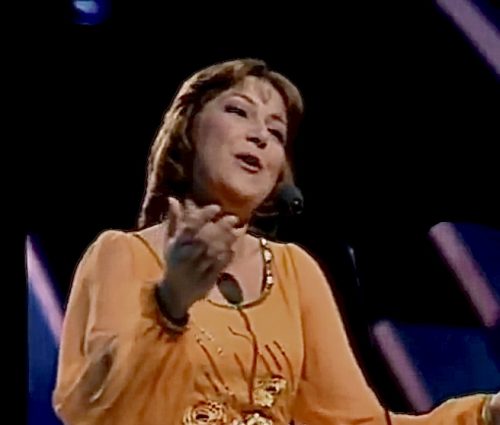
Marie Myriam

The Bookmakers

As France will be placed directly in the final, there are no betting odds about reaching the final. In the odds to win the contest, France is currently 7th. That would mean one of the better scores for France in the last few years.

The song

And this is the song:

Related news

Eurovision 2026

Road to Vienna: Luxembourg

Road to Vienna: Luxembourg We cannot wait for the Eurovision Song Contest in Vienna Therefore, we take a closer look at one of the contestants each day. Today, we highlight Luxembourg. Eva Marija: Luxembourg’s Voice for Eurovision 2026 Eva Marija KavaĆĄ Puc, born on December 24, 2005, in Luxembourg, grew up in a multicultural Slovenian family. Inspired by Eurovision at a young age, she began learning violin early and later studied at the Conservatoire de Luxembourg. Her training in violin, vocals, piano, and bass shaped her versatile style, blending classical, jazz, and contemporary pop. From Young Performer to Songwriter By her early teens, Eva Marija was already performing live and writing her own songs. Her music focuses on emotional storytelling, authenticity, and personal reflection. She later moved to London to study songwriting, expanding her artistic vision and international influences. Music Releases and Artistic Growth Eva Marija debuted with “When 2 Lovers Meet” (2021), followed by “Toxic Trait” (2023) and later singles like “TIME TO GO” and “Sweet Child” (2025). Her sound evolved into a more mature, introspective pop style, earning her recognition in Luxembourg’s music scene. A Promising Future in Music Representing a new generation of artists, Eva Marija combines strong musical training with authentic songwriting. As she prepares for Eurovision, her steady growth and artistic focus position her as one of Luxembourg’s most promising emerging talents. Mother Nature:  A Journey of Growth and Self-Discovery “Mother Nature” by Eva Marija explores personal growth and the path toward self-discovery. The song reflects how life evolves from simplicity into complexity, showing how challenges help shape identity and emotional maturity. Nature as a Symbol of Healing Nature is at the heart of the song’s meaning. It serves as a metaphor for renewal, balance, and inner strength. Just like the natural world, emotional healing is portrayed as a gradual and instinctive process. Letting Go and Finding Balance A central theme is learning to let go of doubt and emotional burdens. The song highlights acceptance, self-trust, and the importance of reconnecting with oneself to find inner balance. An Uplifting and Hopeful Message With its calm and introspective tone, “Mother Nature” delivers a positive message of renewal and self-acceptance. Eva Marija encourages listeners to embrace change and find strength through both vulnerability and connection to nature. Luxembourg in the Eurovision Song Contest Luxembourg has a storied history in the Eurovision Song Contest, participating 38 times since its debut in 1956. The country has won the contest five times: in 1961 (Jean-Claude Pascal‘s “Nous les amoureux”), 1965 (France Gall‘s “PoupĂ©e de cire, poupĂ©e de son”), 1972 (Vicky Leandros‘ “AprĂšs toi”), 1973 (Anne-Marie David‘s “Tu te reconnaĂźtras”, and 1983 (Corinne HermĂšs‘ “Si la vie est cadeau”). After a 31-year hiatus, Luxembourg returned to the contest in 2024.​ The Bookmakers Currently sitting 18th with the bookmakers, Luxembourg looks set for another Eurovision final — but could it climb even higher?

Read More »
Eurovision 2026
Anja Kroeze

Road to Vienna: Luxembourg

Road to Vienna: Luxembourg We cannot wait for the Eurovision Song Contest in Vienna Therefore, we take a closer look at one of the contestants each day. Today, we highlight Luxembourg. Eva Marija: Luxembourg’s Voice for Eurovision 2026 Eva Marija KavaĆĄ Puc, born on December 24, 2005, in Luxembourg, grew up in a multicultural Slovenian family. Inspired by Eurovision at a young age, she began learning violin early and later studied at the Conservatoire de Luxembourg. Her training in violin, vocals, piano, and bass shaped her versatile style, blending classical, jazz, and contemporary pop. From Young Performer to Songwriter By her early teens, Eva Marija was already performing live and writing her own songs. Her music focuses on emotional storytelling, authenticity, and personal reflection. She later moved to London to study songwriting, expanding her artistic vision and international influences. Music Releases and Artistic Growth Eva Marija debuted with “When 2 Lovers Meet” (2021), followed by “Toxic Trait” (2023) and later singles like “TIME TO GO” and “Sweet Child” (2025). Her sound evolved into a more mature, introspective pop style, earning her recognition in Luxembourg’s music scene. A Promising Future in Music Representing a new generation of artists, Eva Marija combines strong musical training with authentic songwriting. As she prepares for Eurovision, her steady growth and artistic focus position her as one of Luxembourg’s most promising emerging talents. Mother Nature:  A Journey of Growth and Self-Discovery “Mother Nature” by Eva Marija explores personal growth and the path toward self-discovery. The song reflects how life evolves from simplicity into complexity, showing how challenges help shape identity and emotional maturity. Nature as a Symbol of Healing Nature is at the heart of the song’s meaning. It serves as a metaphor for renewal, balance, and inner strength. Just like the natural world, emotional healing is portrayed as a gradual and instinctive process. Letting Go and Finding Balance A central theme is learning to let go of doubt and emotional burdens. The song highlights acceptance, self-trust, and the importance of reconnecting with oneself to find inner balance. An Uplifting and Hopeful Message With its calm and introspective tone, “Mother Nature” delivers a positive message of renewal and self-acceptance. Eva Marija encourages listeners to embrace change and find strength through both vulnerability and connection to nature. Luxembourg in the Eurovision Song Contest Luxembourg has a storied history in the Eurovision Song Contest, participating 38 times since its debut in 1956. The country has won the contest five times: in 1961 (Jean-Claude Pascal‘s “Nous les amoureux”), 1965 (France Gall‘s “PoupĂ©e de cire, poupĂ©e de son”), 1972 (Vicky Leandros‘ “AprĂšs toi”), 1973 (Anne-Marie David‘s “Tu te reconnaĂźtras”, and 1983 (Corinne HermĂšs‘ “Si la vie est cadeau”). After a 31-year hiatus, Luxembourg returned to the contest in 2024.​ The Bookmakers Currently sitting 18th with the bookmakers, Luxembourg looks set for another Eurovision final — but could it climb even higher?

Read More »
Follow Us: