About
Quick Facts
Name
Fred Roger Johansson
Born
17 October 1951
Nationality
🇸🇪 Swedish
National Selection
2017 Melodifestivalen
2006 Melodifestivalen
2000 Melodifestivalen
1999 Melodifestivalen
1994 Melodifestivalen
In Eurovision
2000 Stockholm
1994 Dublin
Song
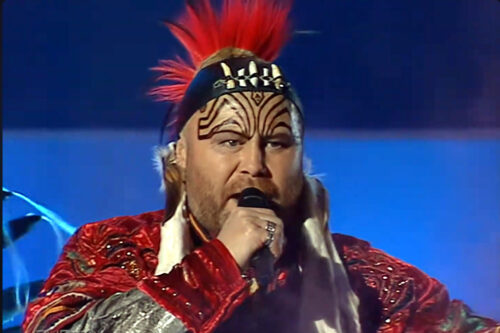
When Spirits Are Calling My Name (2000)
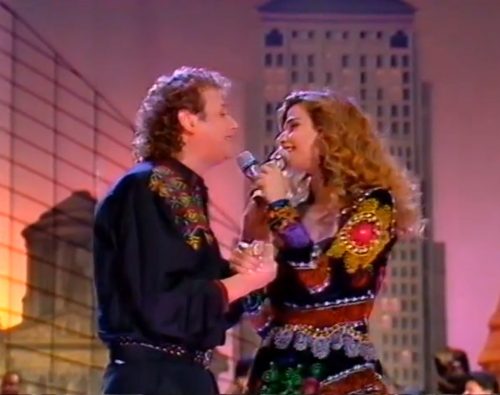
Stjärnorna (& Marie Bergman, 1994)
Biography
Roger Pontare is a Swedish singer known for blending pop music with indigenous Sámi influences. He rose to national fame after winning Sweden’s Melodifestivalen song contest and went on to represent his country in the Eurovision Song Contest twice. Throughout a career spanning from the 1970s to the present, Pontare has collaborated with diverse artists. That includes his son. Pontare has celebrated his Sámi heritage both in his music and personal style. He remains a prominent figure in Sweden’s music scene, recognized for his powerful voice and dramatic stage presence.
Early Life and Musical Beginnings
Born Fred Roger Johansson in 1951 in northern Sweden, Pontare grew up with a strong connection to his Sámi background. As a child he developed a love for music, performing publicly from a young age. In his teens, he formed local bands. He experimented with different genres before moving to Stockholm in the mid-1970s to pursue music professionally. The transition to city life was challenging, but he persisted. Early in his career, he even adopted the quirky stage name “Mango”, a reference to his shaved head, before eventually choosing the surname Pontare by picking it from a registry of available names. This period laid the groundwork for his versatile musical style, influenced by both pop and traditional folk elements.
Melodifestivalen and Eurovision Breakthrough
Pontare’s big break came via Melodifestivalen, Sweden’s renowned music competition. He participated multiple times and first won in 1994 with the duet “Stjärnorna” alongside Marie Bergman. This victory led to his Eurovision Song Contest debut in Dublin 1994, where the duo finished 13th. Pontare returned to Melodifestivalen in 2000, triumphing with the dramatic song “När vindarna viskar mitt namn”. Translated into English as “When Spirits Are Calling My Name” for Eurovision, the song celebrated indigenous culture and showcased Pontare in a traditional Sámi costume on stage. He was accompanied by performers representing a Cree dancer, a Thule Eskimo, and a Norwegian Sami, creating a memorable tribute to native cultures.
The entry earned Sweden a 7th-place finish at Eurovision 2000. Pontare also competed in Melodifestivalen in other years – 1999, 2006, and 2017 – underlining his lasting presence in the competition. In a 2005 special poll, his 2000 hit was voted one of the contest’s most popular songs ever, prompting Swedish metal band HammerFall to perform a heavy metal version with Pontare. This crossover moment highlighted Pontare’s broad appeal across genres.
Cultural Heritage and Performance Style
Pontare’s Sámi heritage is central to his identity and artistry. He often performs in elaborate costumes inspired by Sámi and other indigenous traditions. His stage presence is vivid. It features tribal motifs, fire, and nature-inspired imagery. This sets him apart in the pop world.
After his 1994 Melodifestivalen win, he began incorporating more indigenous elements into his performances and wardrobe. Pontare has said that embracing this unique style helped him overcome shyness rooted in childhood bullying, allowing him to perform with confidence and pride. He draws creative inspiration from nature and frequently retreats to rural environments for personal and artistic rejuvenation. In fact, Pontare avoids big-city life, preferring the calm of the countryside, which he credits for fueling his music and giving him peace. As an environmental advocate, he has served as an ambassador for Green Cross. Through his music and public persona, Pontare has championed cultural pride, bringing Sámi joik chants and folk instruments into mainstream pop performances.
Collaborations and Family Projects
Throughout his career, Pontare has collaborated with many artists across genres. In the late 1980s he worked with Swedish pop star Pernilla Wahlgren on the holiday single “Christmas Time (Is Here Again)”. He has also explored jazz and big band music, releasing albums like Sinatrafied (a Frank Sinatra tribute) in 1995. A notable cross-genre collaboration occurred in 2005 when heavy metal band HammerFall joined Pontare on stage to perform a rock version of “När vindarna viskar mitt namn”, bridging folk-pop and metal.
Pontare’s family has been part of his musical journey as well. He is the father of two sons, Viktor and Vincent Pontare. Vincent (known simply as Vincent and also as Vargas in the duo Vargas & Lagola) became a successful singer-songwriter in his own right.
In 2014, Swedish Television aired a documentary Sången från Vindelfjällen (“The Song from the Vindel Mountains”) that highlighted Pontare’s relationship with Vincent and their shared love of music. For the film, father and son collaborated on a song titled “Kalla mig hem” (“Call Me Home”), which Vincent wrote and produced and Roger recorded in the Lapland wilderness. This project illustrated the strong musical bond in the Pontare family. In recent years, Pontare has continued to perform and sometimes shares the stage with younger artists, passing on his experience and passion.
Later Years, Challenges and Legacy
Even in his later years, Pontare has remained active in entertainment. He appeared in film (a singing role in Colin Nutley’s Gossip). In 2009, he finished third in the TV4 singing show Körslaget (Clash of the Choirs). Almost a decade later, in 2018, he returned to national TV on Stjärnornas stjärna, a celebrity music competition. These appearances kept him culturally relevant and introduced his distinctive style to younger viewers.
However, Pontare also faced personal challenges. In 2023, at age 71, he was convicted of aggravated drunk driving after being caught with a high blood alcohol level (1.7 ‰) while driving. He received a 40-day house arrest sentence with an ankle monitor, which he served at his rural home. Pontare openly admitted his wrongdoing and expressed deep remorse for the incident. He used the enforced time offstage as an opportunity for “personal reflection and recovery,” emerging with a determination to move forward positively. Following the completion of his sentence, he stated that he was ready to “take off the ankle monitor and continue living, singing a song now and then”. This candid accountability resonated with many fans, who appreciated his honesty.
Entries
When Spirits Are Calling My Name
Backings
Ken Roulette
Johan Sara jr.
Kasaluk Q
Frank Ådahl
Pernilla Emme
Results Semi
Points: 88
Position: 7
Running order: 18