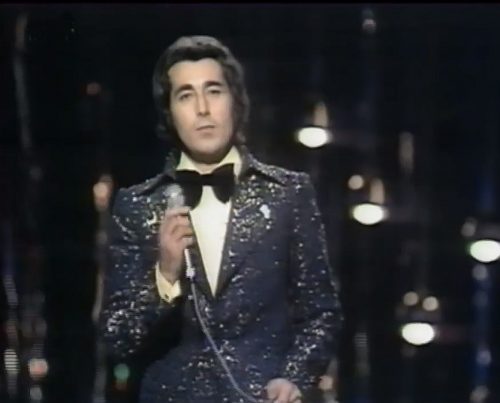
Blast from the past: Monaco 1974

We know a lot about Eurovision and we want to share this knowledge with you! Therefore we’d like to bring you a blast from the past. Today, we go back to 1974, when Romuald represented Monaco with the song “Celui qui reste et celui qui s’en va”.

Monaco in the Eurovision Song Contest

Monaco debuted in 1959 and quickly became a mini‑state powerhouse: ten top‑five finishes and a lone victory in 1971, when Séverine won with “Un banc, un arbre, une rue”. Though champions, the principality never hosted the contest. Other standout results include François Deguelt’s runner‑up in 1962 and third places for François Deguelt (1960), Romuald (1964) and Mary Christy (1976), with fourths from Michèle Torr (1977) and Caline & Olivier Toussaint (1978). 

After 1979, Monaco withdrew until a short‑lived comeback. The 2004–06 entries all fell in the semi‑final: Märyon’s “Notre planète” (19th, 10), Lise Darly’s “Tout de moi” (24th, 22) and Séverine Ferrer’s “La coco‑dance” (21st, 14), the first Eurovision song to include Tahitian. Citing voting patterns, TMC withdrew, and the microstate has not returned since. Monaco’s last Grand Final appearance remains 1979, yet compact history looms large: French‑language pop, performers and staging that helped Monaco punch above its size.

Séverine

Internal selection Monaco 1974

Monaco’s national selection for the Eurovision Song Contest 1974 was handled internally by broadcaster TMC, continuing the principality’s preference for inviting established Francophone artists rather than staging a public national final. Veteran singer Romuald was appointed as Monaco’s act, performing “Celui qui reste et celui qui s’en va”, a chanson ballad with music by Jean‑Pierre Bourtayre and lyrics by Michel Jourdan. Contemporary and retrospective listings describe the 1974 process as internal, with no televised competition and no alternate candidates publicly documented. Eurovision records show Monaco’s entry details and broadcaster credit accordingly. 

Timing‑wise, the artist confirmation and song unveiling occurred in early 1974 ahead of the Brighton contest. The single was issued on Mercury as a 7″ 45 rpm, underscoring that the track was Monaco’s official entry. For researchers of Monaco’s Eurovision history, the 1974 campaign illustrates how a compact, broadcaster‑led selection, artist first, song second, could deliver a cohesive package without a public national final, a model Monaco often used in that era.


Romuald

Romuald Figuier (born 9 May 1938 in Saint‑Pol‑de‑Léon, Brittany) is a French singer best known to Eurovision fans as Romuald, noted for chanson repertoire. He began his career at the Théâtre des Variétés, appearing in Robert Dhéry’s revue La Grosse Valse (1962–64). He first appeared at the Contest for Monaco in 1964, finishing third with “Où sont‑elles passées?”, composed by Francis Lai with lyrics by Pierre Barouh. Five years later he represented Luxembourg with “Catherine”, placing 11th in Madrid. He returned to Monaco in 1974 with “Celui qui reste et celui qui s’en va”, which finished fourth in Brighton and remains one of the principality’s strongest results.

Beyond Eurovision, Romuald worked on the international festival circuit. He represented Luxembourg at Sopot in 1968 and France at Viña del Mar in 1973 with “Laisse‑moi le temps”, a Michel Jourdan/Caravelli composition later adapted by Paul Anka and Sammy Cahn as “Let Me Try Again”, recorded by Frank Sinatra. Alongside singles in several languages, he also maintained a career on French television, stage and radio. Taken together, his three Eurovisions chart a rare cross‑border story: a French artist trusted by two microstates, and a performer who secured two top‑four finishes a decade apart.

Celui qui reste et celui qui s’en va

“Celui qui reste et celui qui s’en va” (Monaco 1974) is a classic French chanson ballad. Sung by Romuald, it finished fourth with 14 points, tying with Luxembourg and the United Kingdom. Music by Jean‑Pierre Bourtayre and lyrics by Michel Jourdan, the entry unfolds as an elegant break‑up narrative: the one who stays versus the one who leaves. Orchestral strings and subtle drum accents support Romuald’s burnished tenor, while backing voices add warmth and lift in the refrain. Conducted by Raymond Donnez, the performance balances restraint and drama, shaping a cinematic arc that gracefully swells to a poised, dignified climax.


Related news

Uncategorized

Weekly Update

It’s Tuesday, February 17, 2026, and time for another weekly update! This week saw a major event postponed, multiple national selections conclude, and key developments on the road to Eurovision 2026. The EBU decided to postpone the planned Eurovision Live Tour, five countries crowned their Eurovision entrants, and the UK revealed its act for Vienna. Also making headlines: public figures in Cyprus urged a song withdrawal, Romania unveiled its national final lineup, and fans enjoyed new music from Eurovision alumni. Here are this week’s top stories: Eurovision Live Tour Postponed The European Broadcasting Union (EBU) announced that the Eurovision Song Contest Live Tour 2026 has been postponed. Organizers cited “unforeseen challenges” that could not be resolved despite their best efforts. Thousands of fans who purchased tickets will receive full refunds, and the EBU plans to relaunch the tour later when a “world class experience” can be ensured. In the meantime, the focus shifts to delivering an incredible 70th Eurovision Song Contest this May in Vienna. source: eurovision.com 🇩🇰 Denmark Denmark has selected its Eurovision act. Søren Torpegaard Lund won the Dansk Melodi Grand Prix 2026 with his song “Før Vi Går Hjem”, securing the honor of representing Denmark in Vienna. The national final took place in Frederikshavn’s Arena Nord on February 14. Lund achieved a unanimous victory, topping both the jury and public votes with 39 points. Denmark will now hope Lund’s dynamic stage experience brings them success at the 70th Contest. 🇱🇻 Latvia Latvia has chosen its Eurovision entry through the Supernova 2026 final. Emerging victorious was singer Atvara with the song “Ēnā”. Ten acts competed in the Supernova final on February 14, after two semi-finals earlier in the month. Atvara won thanks to a combination of jury and public votes, earning the ticket to represent Latvia at Eurovision 2026. The electro-pop track “Ēnā” will fly the Latvian flag in Vienna this May. 🇪🇪 Estonia In Estonia, a familiar name is headed back to Eurovision. The popular girl band Vanilla Ninja clinched victory at Eesti Laul 2026 with their song “Too Epic To Be True”. The national final on February 14 featured 12 competitors, and Vanilla Ninja triumphed in a two-round voting process (jury + public, then a superfinal public vote). The group, which previously represented Switzerland in 2005, will now represent Estonia in Vienna. “Too Epic To Be True” will be performed in the first semi-final on May 12. 🇬🇷 Greece Greece finalized its Eurovision selection through the show Sing For Greece. Akylas won the Greek national final with his song “Ferto”, beating 13 other entries in the February 15 final. After two semi-finals earlier in the week, the 14-song final used a combined vote (50% public, 50% jury split domestic/international) to decide the winner. Akylas emerged on top, securing the opportunity to represent Greece at Eurovision 2026 with the uptempo track “Ferto”. The song will take the stage in the first semi-final in May. 🇭🇷 Croatia Croatia held its national final Dora 2026 and selected the ethno-pop group LELEK as its Eurovision act. LELEK have won Dora 2026 with their song “Andromeda”. The Dora final took place on February 15 after two semi-finals narrowed the field from 24 to 16 songs. LELEK’s performance was the unanimous favorite, earning top marks from both the jury and televote. “Andromeda,” blending traditional Croatian folk elements with modern pop, will represent Croatia at the 70th Eurovision Song Contest. 🇨🇾 Cyprus In Cyprus, controversy erupted over the country’s Eurovision entry “Jalla” by Antigoni. Dozens of public figures signed an open letter urging broadcaster CyBC to withdraw Cyprus’ entry “Jalla” from Eurovision. The signatories argue that both the song and its music video present an “unacceptable image” of Cyprus abroad. The letter, addressed to CyBC’s president and board, expressed shock at the entry and called the participation “insulting” to the country’s image. CyBC has not publicly responded yet, but the debate has drawn significant media attention in Cyprus. source: CyBC 🇷🇴 Romania Romania is gearing up for a national final comeback. Broadcaster TVR has revealed the 10 finalists of Selecția Națională 2026 after three days of live auditions. A jury selected the finalists out of 68 semi-finalists, and an additional wildcard entrant will be chosen based on online views before the final. The final of Selecția Națională is set for March 4, where a jury will decide who represents Romania in Vienna. This marks Romania’s return to Eurovision after a two-year absence. Their last entry was in 2023. source: TVR 🇧🇪 Belgium Belgium will soon unveil its Eurovision entry. RTBF, the Francophone broadcaster, announced it will reveal Belgium’s artist and song on February 19. The presentation, including the official music video, will air on La Une at 18:21 CET that day. Belgium rotates its Eurovision selection between broadcasters (RTBF and VRT) each year. After VRT’s turn in 2025, RTBF is in charge for 2026 and has chosen an internal selection. Rumors over the summer about singer Loïc Nottet’s return were denied by RTBF. source: RTBF 🇵🇱 Poland Poland has detailed an ambitious format for its Eurovision selection, Finał polskich kwalifikacji 2026. TVP confirmed the national final will run over two days, with a mix of online and SMS voting. Voting opens on February 28 via the TVP VOD app and continues through March 7. The live show will air on March 7, but notably, the winner will be announced the next morning (March 8) on TVP’s breakfast show Pytanie na Śniadanie. The Polish entry will be decided entirely by the public’s votes. Eight finalists (including past national finalists like Alicja and Basia Giewont) have been announced, and a wildcard act could still be added by February 27. Poland aims to build on its strong 2025 result (14th place in the final with Justyna Steczkowska’s “Gaja”) as it seeks Eurovision glory. source: TVP 🇬🇧 United Kingdom The United Kingdom has internally selected its Eurovision 2026 act. The BBC revealed that experimental electronic artist Look Mum No Computer (real name Sam Battle) will represent

Read More »
Uncategorized
Martijn

Weekly Update

It’s Tuesday, February 17, 2026, and time for another weekly update! This week saw a major event postponed, multiple national selections conclude, and key developments on the road to Eurovision 2026. The EBU decided to postpone the planned Eurovision Live Tour, five countries crowned their Eurovision entrants, and the UK revealed its act for Vienna. Also making headlines: public figures in Cyprus urged a song withdrawal, Romania unveiled its national final lineup, and fans enjoyed new music from Eurovision alumni. Here are this week’s top stories: Eurovision Live Tour Postponed The European Broadcasting Union (EBU) announced that the Eurovision Song Contest Live Tour 2026 has been postponed. Organizers cited “unforeseen challenges” that could not be resolved despite their best efforts. Thousands of fans who purchased tickets will receive full refunds, and the EBU plans to relaunch the tour later when a “world class experience” can be ensured. In the meantime, the focus shifts to delivering an incredible 70th Eurovision Song Contest this May in Vienna. source: eurovision.com 🇩🇰 Denmark Denmark has selected its Eurovision act. Søren Torpegaard Lund won the Dansk Melodi Grand Prix 2026 with his song “Før Vi Går Hjem”, securing the honor of representing Denmark in Vienna. The national final took place in Frederikshavn’s Arena Nord on February 14. Lund achieved a unanimous victory, topping both the jury and public votes with 39 points. Denmark will now hope Lund’s dynamic stage experience brings them success at the 70th Contest. 🇱🇻 Latvia Latvia has chosen its Eurovision entry through the Supernova 2026 final. Emerging victorious was singer Atvara with the song “Ēnā”. Ten acts competed in the Supernova final on February 14, after two semi-finals earlier in the month. Atvara won thanks to a combination of jury and public votes, earning the ticket to represent Latvia at Eurovision 2026. The electro-pop track “Ēnā” will fly the Latvian flag in Vienna this May. 🇪🇪 Estonia In Estonia, a familiar name is headed back to Eurovision. The popular girl band Vanilla Ninja clinched victory at Eesti Laul 2026 with their song “Too Epic To Be True”. The national final on February 14 featured 12 competitors, and Vanilla Ninja triumphed in a two-round voting process (jury + public, then a superfinal public vote). The group, which previously represented Switzerland in 2005, will now represent Estonia in Vienna. “Too Epic To Be True” will be performed in the first semi-final on May 12. 🇬🇷 Greece Greece finalized its Eurovision selection through the show Sing For Greece. Akylas won the Greek national final with his song “Ferto”, beating 13 other entries in the February 15 final. After two semi-finals earlier in the week, the 14-song final used a combined vote (50% public, 50% jury split domestic/international) to decide the winner. Akylas emerged on top, securing the opportunity to represent Greece at Eurovision 2026 with the uptempo track “Ferto”. The song will take the stage in the first semi-final in May. 🇭🇷 Croatia Croatia held its national final Dora 2026 and selected the ethno-pop group LELEK as its Eurovision act. LELEK have won Dora 2026 with their song “Andromeda”. The Dora final took place on February 15 after two semi-finals narrowed the field from 24 to 16 songs. LELEK’s performance was the unanimous favorite, earning top marks from both the jury and televote. “Andromeda,” blending traditional Croatian folk elements with modern pop, will represent Croatia at the 70th Eurovision Song Contest. 🇨🇾 Cyprus In Cyprus, controversy erupted over the country’s Eurovision entry “Jalla” by Antigoni. Dozens of public figures signed an open letter urging broadcaster CyBC to withdraw Cyprus’ entry “Jalla” from Eurovision. The signatories argue that both the song and its music video present an “unacceptable image” of Cyprus abroad. The letter, addressed to CyBC’s president and board, expressed shock at the entry and called the participation “insulting” to the country’s image. CyBC has not publicly responded yet, but the debate has drawn significant media attention in Cyprus. source: CyBC 🇷🇴 Romania Romania is gearing up for a national final comeback. Broadcaster TVR has revealed the 10 finalists of Selecția Națională 2026 after three days of live auditions. A jury selected the finalists out of 68 semi-finalists, and an additional wildcard entrant will be chosen based on online views before the final. The final of Selecția Națională is set for March 4, where a jury will decide who represents Romania in Vienna. This marks Romania’s return to Eurovision after a two-year absence. Their last entry was in 2023. source: TVR 🇧🇪 Belgium Belgium will soon unveil its Eurovision entry. RTBF, the Francophone broadcaster, announced it will reveal Belgium’s artist and song on February 19. The presentation, including the official music video, will air on La Une at 18:21 CET that day. Belgium rotates its Eurovision selection between broadcasters (RTBF and VRT) each year. After VRT’s turn in 2025, RTBF is in charge for 2026 and has chosen an internal selection. Rumors over the summer about singer Loïc Nottet’s return were denied by RTBF. source: RTBF 🇵🇱 Poland Poland has detailed an ambitious format for its Eurovision selection, Finał polskich kwalifikacji 2026. TVP confirmed the national final will run over two days, with a mix of online and SMS voting. Voting opens on February 28 via the TVP VOD app and continues through March 7. The live show will air on March 7, but notably, the winner will be announced the next morning (March 8) on TVP’s breakfast show Pytanie na Śniadanie. The Polish entry will be decided entirely by the public’s votes. Eight finalists (including past national finalists like Alicja and Basia Giewont) have been announced, and a wildcard act could still be added by February 27. Poland aims to build on its strong 2025 result (14th place in the final with Justyna Steczkowska’s “Gaja”) as it seeks Eurovision glory. source: TVP 🇬🇧 United Kingdom The United Kingdom has internally selected its Eurovision 2026 act. The BBC revealed that experimental electronic artist Look Mum No Computer (real name Sam Battle) will represent

Read More »
Follow Us: