Kessler Sisters passed away

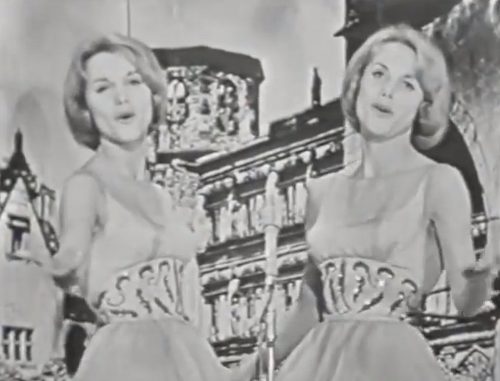
Alice and Ellen Kessler, the famous German-born twin sisters who dazzled Europe’s stages and screen in the 1950s and 1960s, have died at the age of 89. German newspaper Bild reports that the identical twins chose to end their lives together via legal euthanasia. The Kessler Sisters passed away in their longtime home in Grünwald, Bavaria. With this they fulfilled a lifelong wish to remain side by side even in death. 

From Post-War Beginnings to Eurovision Stage

Alice and Ellen Kessler were born in 1936 in the Saxony region of Germany. They grew up in a divided, post-war Europe. Trained in ballet from childhood, the twins fled East Germany as teenagers in 1952 to seek artistic freedom in the West. Their leap of faith quickly paid off. By 19, they were performing at the famed Lido cabaret in Paris, marking the start of an international career. The Kessler Twins soon became one of Germany’s most successful entertainment acts. The sisters shared stages with legends like Frank Sinatra, Fred Astaire, and Harry Belafonte during the 1960s. They even turned down a chance to appear with Elvis Presley in a Hollywood film, keen to chart their own path in show business.

In 1959, the sisters’ rising stardom led them to the Eurovision Song Contest. Alice and Ellen were selected to represent West Germany at that year’s competition in Cannes  where they performed the upbeat Heute Abend wollen wir tanzen geh’n”. Their lively entry earned 8th place in the contest. Though they did not take home the trophy, the Kessler Twins’ Eurovision appearance amplified their fame and endeared them to audiences beyond Germany.

Stardom in Germany and Italy

The Kessler Sisters continued to conquer Europe’s entertainment scene. In the 1960s they moved to Italy, where they became beloved television stars on the RAI variety show Studio Uno. They were known as “Le Gemelle Kessler”. Italian viewers were captivated by the twins’ synchronized dancing, fashionable costumes, and catchy musical numbers. At the same time, the sisters remained popular in their native Germany. They headlined many TV specials and stage revues during the post-war entertainment boom. Their ability to cross cultural boundaries made them symbols of a new, optimistic Europe. Two German performers who could sing in multiple languages and light up screens from Munich to Rome.

Throughout their long career, Alice and Ellen Kessler made significant contributions to music and entertainment across the continent. They recorded numerous singles. The sisters appeared in films and theatrical productions, and even graced American TV with spots on The Ed Sullivan Show and The Red Skelton Hour. Both the German and Italian governments recognized the twins’ cultural impact. The sisters received honors including the prestigious Rose d’Or television award and Germany’s Federal Cross of Merit for their artistic achievements. Decades later, in 1986, the Kesslers returned to Germany. However, they continued to perform occasionally on television in both countries, embodying a living bridge between Italian and German popular culture.

A Lasting Bond and Legacy

In their final years, the Kessler Twins lived quietly as neighbors in Munich, remaining as close as ever. The duo decided together that neither would have to live without the other, electing to depart this life on their own terms. The twins had even stipulated in their will that their ashes be kept together in one urn, underlining their lifelong unity. As news of their passing spread, many across Europe have been reflecting on the joy and unity Alice and Ellen brought to the post-war generation.

Alice once summed up the secret to their enduring success and sisterhood. “Every day discipline, always gratitude, humility instead of arrogance, and togetherness. Until death.” In the end, that togetherness truly lasted until death. The Kessler Sisters leave behind a legacy as trailblazers of European entertainment and Eurovision pioneers, forever remembered for the sparkle, elegance, and heartfelt harmony they brought to the stage.

Related news

History

70 years of Eurovision: sadness and hapiness

The Eurovision Song Contest is celebrating its 70th anniversary. That is a wonderful milestone. We at Eurovision Universe love diving into the history of the contest. That is why we are taking a closer look at the contests of the past 70 years. 1980 There had been plans for an open-air Eurovision Song Contest at the Sea of ​​Tiberias. The Israeli broadcaster simply ran out of money to organize the contest. Eventually, the Netherlands took over. The Dutch broadcaster used the scripts from 1976 again. Even the opening film was the same as back then. Israel itself did not participate. The festival coincided with a memorial day there. Monaco also dropped out, but Morocco participated for the first time. Marloes Fluitsma hosted the event. She was extremely nervous. ‘Dames en heren, hallo, (Ladies and gentlemen, hello)’ she opened the contest. Without any spontaneity, she struggled her way through the event. Thank goodness, every country had brought its own presenter for this 25th Eurovision Song Contest. Katja Ebstein participated for Germany for the third time. She was accompanied by a group of backing vocals dressed as clowns. Maggie MacNeal made a comeback for the Netherlands; At the time as half of a duo, now solo and with the song “Amsterdam”. Paola, who had already represented Switzerland in 1969, was also present. Her song “Cinéma” dealt with Mickey Mouse, Charlie Chaplin, and Buster Keaton, among others. All three returning candidates finished in the top 5. Also noteworthy was Turkey, which returned and immediately sent a politically charged song, about oil of course: “Petr’oil”. Morocco sent Samira Ben Said, who would later become a major star throughout the entire Arab world as Samira Said. Another notable entry was that of Luxembourg. The French twins Sophie and Magaly participated for that country. The singing was not very in tune. Things did not end well for the twins in the end. Both died young. The song, “Le papa pingouin”, would become a number 1 hit in France twenty years later. Besides Turkey, Norway also submitted a politically charged song. This country called attention to a Norwegian minority, the Sami, who live in the north of Scandinavia. The yoik, a special Sami chant, could be heard in this song. Singer Mattis Hætta wore a matching costume. Johnny Logan Ireland was not really the favorite for the final victory. Kudos however to Johnny Logan for his good singing and simple performance, and for the saxophone solo included in the song. Against all expectations, it was all enough for an Irish victory. “He’s so happy, isn’t he?” Marloes Fluitsma sighed when Logan stormed onto the stage as the winner. Johnny Logan initially managed to capitalize on his victory. However, due to lawsuits and contract issues, he failed to build a major career. But more on that later. 1981 For the second time, the festival went to Dublin, this time to the Royal Dublin Society. Morocco dropped out, but Cyprus made its debut. Yugoslavia returned. Doireann Ni Bhriain was the host. She did a fine job, even when things went wrong with the Yugoslav jury. After she called out to the jury several times, a loud ‘Hello’ rang out, after which she asked for the points. “I don’t have it,” a somewhat surprised jury chairwoman announced. It took a while before she finally announced the points. Marty Brem participated for Austria for the second time. However, no one understood the ballet that accompanied the Austrian entry. Tommy Seebach (Denmark) also participated for the second time. Maxi (Ireland) was a member of the group Sheeba, and Björn Skifs participated for Sweden again. Peter, Sue, and Marc performed for Switzerland for the fourth and final time. And, very remarkably, Jean-Claude Pascal, the winner of 1961, performed for Luxembourg! Just like the two previous years, Ralph Siegel and Bernd Meinunger wrote the entry for Germany, this time “Johnny Blue” for Lena Valaitis. It became an international hit and a Eurovision evergreen. For Norway, Finn Kalvik sang the ballad “Aldri i livet”. At the record, he was accompanied by none other than Agnetha and Frida from Abba. However, they were not present during the live broadcast. And unfortunately, no one had any points left for Kalvik. Bucks Fizz The group that represented the United Kingdom was formed specifically for the Eurovision Song Contest: Bucks Fizz. One of the members, Cheryl Baker, had previously participated with the group Co-Co. Two men and two women, modeled after ABBA, sang “Making Your Mind Up”. The group members were dressed in primary colors; the ladies wore long skirts. Halfway through the act, the men pulled off the ladies’ skirts, and the women suddenly appeared to be wearing miniskirts. It made such an impression that the poor singing went unnoticed. “I started half a tone too high and sang the whole song off-key. And yet I won,” Cheryl Baker later explained. Bucks Fizz did manage to secure the victory. Not only was their Eurovision song a huge success, but less than a year later, the group topped all European charts again with the song “The Land Of Make Believe”. The group still exists, although only one member from the original lineup, Bobby G, is still involved. After the votes came in and Bucks Fizz had won, the group was jumping around enthusiastically and happily. That was in strong contrast to Johnny Logan, who came to present the award. It was clear that all the joy surrounding his victory had vanished from him: Logan had clearly not had a good year.

Read More »
History
Martijn

70 years of Eurovision: sadness and hapiness

The Eurovision Song Contest is celebrating its 70th anniversary. That is a wonderful milestone. We at Eurovision Universe love diving into the history of the contest. That is why we are taking a closer look at the contests of the past 70 years. 1980 There had been plans for an open-air Eurovision Song Contest at the Sea of ​​Tiberias. The Israeli broadcaster simply ran out of money to organize the contest. Eventually, the Netherlands took over. The Dutch broadcaster used the scripts from 1976 again. Even the opening film was the same as back then. Israel itself did not participate. The festival coincided with a memorial day there. Monaco also dropped out, but Morocco participated for the first time. Marloes Fluitsma hosted the event. She was extremely nervous. ‘Dames en heren, hallo, (Ladies and gentlemen, hello)’ she opened the contest. Without any spontaneity, she struggled her way through the event. Thank goodness, every country had brought its own presenter for this 25th Eurovision Song Contest. Katja Ebstein participated for Germany for the third time. She was accompanied by a group of backing vocals dressed as clowns. Maggie MacNeal made a comeback for the Netherlands; At the time as half of a duo, now solo and with the song “Amsterdam”. Paola, who had already represented Switzerland in 1969, was also present. Her song “Cinéma” dealt with Mickey Mouse, Charlie Chaplin, and Buster Keaton, among others. All three returning candidates finished in the top 5. Also noteworthy was Turkey, which returned and immediately sent a politically charged song, about oil of course: “Petr’oil”. Morocco sent Samira Ben Said, who would later become a major star throughout the entire Arab world as Samira Said. Another notable entry was that of Luxembourg. The French twins Sophie and Magaly participated for that country. The singing was not very in tune. Things did not end well for the twins in the end. Both died young. The song, “Le papa pingouin”, would become a number 1 hit in France twenty years later. Besides Turkey, Norway also submitted a politically charged song. This country called attention to a Norwegian minority, the Sami, who live in the north of Scandinavia. The yoik, a special Sami chant, could be heard in this song. Singer Mattis Hætta wore a matching costume. Johnny Logan Ireland was not really the favorite for the final victory. Kudos however to Johnny Logan for his good singing and simple performance, and for the saxophone solo included in the song. Against all expectations, it was all enough for an Irish victory. “He’s so happy, isn’t he?” Marloes Fluitsma sighed when Logan stormed onto the stage as the winner. Johnny Logan initially managed to capitalize on his victory. However, due to lawsuits and contract issues, he failed to build a major career. But more on that later. 1981 For the second time, the festival went to Dublin, this time to the Royal Dublin Society. Morocco dropped out, but Cyprus made its debut. Yugoslavia returned. Doireann Ni Bhriain was the host. She did a fine job, even when things went wrong with the Yugoslav jury. After she called out to the jury several times, a loud ‘Hello’ rang out, after which she asked for the points. “I don’t have it,” a somewhat surprised jury chairwoman announced. It took a while before she finally announced the points. Marty Brem participated for Austria for the second time. However, no one understood the ballet that accompanied the Austrian entry. Tommy Seebach (Denmark) also participated for the second time. Maxi (Ireland) was a member of the group Sheeba, and Björn Skifs participated for Sweden again. Peter, Sue, and Marc performed for Switzerland for the fourth and final time. And, very remarkably, Jean-Claude Pascal, the winner of 1961, performed for Luxembourg! Just like the two previous years, Ralph Siegel and Bernd Meinunger wrote the entry for Germany, this time “Johnny Blue” for Lena Valaitis. It became an international hit and a Eurovision evergreen. For Norway, Finn Kalvik sang the ballad “Aldri i livet”. At the record, he was accompanied by none other than Agnetha and Frida from Abba. However, they were not present during the live broadcast. And unfortunately, no one had any points left for Kalvik. Bucks Fizz The group that represented the United Kingdom was formed specifically for the Eurovision Song Contest: Bucks Fizz. One of the members, Cheryl Baker, had previously participated with the group Co-Co. Two men and two women, modeled after ABBA, sang “Making Your Mind Up”. The group members were dressed in primary colors; the ladies wore long skirts. Halfway through the act, the men pulled off the ladies’ skirts, and the women suddenly appeared to be wearing miniskirts. It made such an impression that the poor singing went unnoticed. “I started half a tone too high and sang the whole song off-key. And yet I won,” Cheryl Baker later explained. Bucks Fizz did manage to secure the victory. Not only was their Eurovision song a huge success, but less than a year later, the group topped all European charts again with the song “The Land Of Make Believe”. The group still exists, although only one member from the original lineup, Bobby G, is still involved. After the votes came in and Bucks Fizz had won, the group was jumping around enthusiastically and happily. That was in strong contrast to Johnny Logan, who came to present the award. It was clear that all the joy surrounding his victory had vanished from him: Logan had clearly not had a good year.

Read More »
Follow Us: