🇵🇹 In memoriam: Sara Tavares

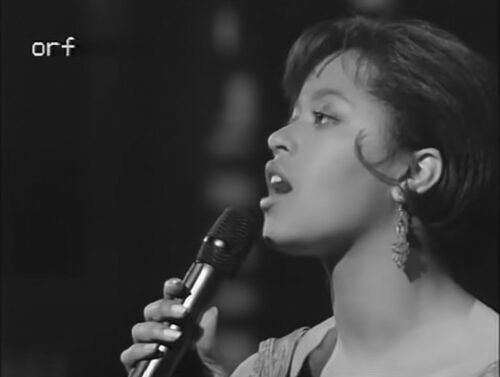
The sad news came to us that today, 19th November 2023, Portuguese singer Sara Tavares passed away. Sara represented Portugal in the 1994 Eurovision Song Contest with the song “Chamar a musica”.

Sara Tavares was a multifaceted artist whose music blended her Cape Verdean roots with world music influences. She was born on February 1, 1978, in Lisbon, Portugal. Raised in a multilingual environment, her exposure to diverse cultures and musical traditions at an early age shaped her eclectic musical style.

Sara’s  talent was first recognized when she won two significant Portuguese music contests, including the televised Chuva de Estrelas, at the age of 16. This early success laid the foundation for her musical career.

In the same year, she won Festival Da Canção, the national final for the Eurovision Song Contest. She reached an 8th place in the international final in Dublin, one of the higher scores for Portugal.

Her debut album, “Sara Tavares & Shout,” released in 1996, showcased her unique blend of African, Portuguese, and world rhythms, establishing her as a promising new voice in world music. Tavares’ artistry is characterized by soulful melodies, rich harmonies, and a blend of languages, predominantly Portuguese and Cape Verdean Creole, which she seamlessly weaves into her songs.

Following her debut, Tavares took a brief hiatus to refine her sound and direction. She reemerged with “Mi Ma Bô” in 1999, an album that further solidified her unique musical identity, combining traditional African sounds with contemporary influences.

Tavares’ renewed breakthrough came with her 2006 album “Balancê,” which earned critical acclaim and expanded her international audience. It showcased her matured songwriting and a deeper exploration of her African roots, featuring hits like “Bom Feeling” and “Balancê.”

Her subsequent album, “Xinti,” released in 2009, continued this trajectory, delving deeper into the exploration of her identity and heritage. The album was a critical success, praised for its introspective lyrics and rich, multi-layered compositions.

Beyond music, Tavares is known for her activism and advocacy for cultural diversity and inclusion. She has been a vocal advocate for the African diaspora’s culture, using her music as a bridge between different cultures and generations.

Sara Tavares suffered of a brain tumor and passed away at age 45.


Related news

History

70 years of Eurovision: two strong women

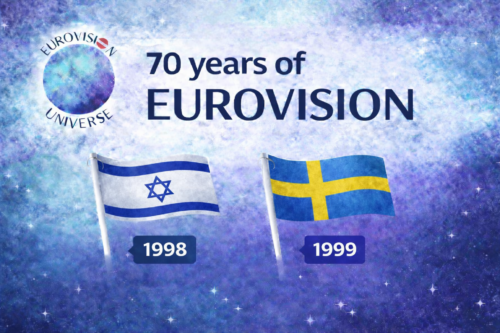
The Eurovision Song Contest is celebrating its 70th anniversary. That is a wonderful milestone. We at Eurovision Universe love diving into the history of the contest. That is why we are taking a closer look at the contests of the past 70 years. 1998 Birmingham was the city where the Eurovision Song Contest was held in 1998. The presentation was done by tongue-in-cheek commentator Terry Wogan and host Ulrika Jonsson. North Macedonia made its debut, but was still called FYROM at the time. Italy withdrew. From then on, the results were determined by televoting only. The songs Danijela, who had participated for Croatia three years earlier, did so again, but this time solo. Her ballad “Neka mi ne zvane”, complete with dress-up, is still often cited as a fan favorite. The duo Thalassa participated for Greece. However, only singer Dionisia took the stage. The male half of the duo, Yiannis Valvis, had gotten into such a heated argument with the production that his accreditation had been revoked. He was no longer allowed to enter the hall in Birmingham and had to watch Eurovision from his hotel room. Guildo Horn & Die Orthopädischen Strümpfe performed for Germany. With “Guildo hat euch lieb!”, Horn delivered a performance that was unique. He jumped into the audience, accompanied himself musically with cowbells, and even climbed onto scaffolding. This drove the cameramen tasked with capturing it to despair. He certainly stood out! Chiara from Malta did too, but for exactly the opposite reason. With a serene ballad and candles on stage, she also impressed a lot. Until the very last moment, Chiara was still a contender for the final victory. She ultimately finished third. She did so just behind Imaani. The British candidate came second with “Where Are You?”. She scored a European hit with her song. Fun fact: The Dutch candidate Edsilia Rombley named her daughter Imaani after her colleague. And Edsilia also made an impression with her “Hemel en aarde.” Terry Wogan predicted a victory for her. It resulted in a fourth place finish. But every country also had a backup jury. The results for some countries are known. What is certain is that with that backup jury, it would have been a battle between the United Kingdom and the Netherlands. Dana International But that didn’t happen, because Israel won. It was the country that received the most attention beforehand. Not because Dana International was such a good singer. But because her story impressed. Born as Yaron Cohen, he discovered at a young age that he was, in fact a woman. After gender reassignment surgery, she went through life as Sharon Cohen. Her stage name, however, was Dana International. As early as 1995, she came second in the Israeli national final with “Layla Tov Europa.” Three years later, the Israeli broadcaster internally selected Dana and her song “Diva.” Although this was much to the displeasure of a group of very strictly religious Orthodox Jews, Dana was adored by the queer community in Israel. When she won, it was therefore a huge celebration for them. And with this, a transgender person won the Eurovision Song Contest for the first time. 1999 The Eurovision circus moved to Jerusalem. For the first time, the contest was hosted by three presenters: Yigal David, Sigal Shachmon, and Dafna Dekel. The latter had participated for Israel herself in 1992. A relegation zone still existed, and Lithuania returned after a five-year absence. Many things changed. The orchestra was gone and would never return. This also applied to the rule that participants had to sing in their own national language. The songs Doris Dragović participated for Croatia, having represented Yugoslavia 13 years earlier. She finished very high with a fourth place. However, afterwards she received penalty points because she had used samples that were not allowed. It had no further consequences for Croatia. Darja Švajger also participated for the second time, representing Slovenia. Things became complicated because the Netherlands sent a singer named Marlayne, and Cyprus entered Marlain. Both singers did very well in the polls. But the Cypriot Marlain, in particular, did not live up to her role as favorite at all. It was also complicated that two countries, namely Bosnia and Herzegovina and Germany, both entered a song that had already been released. In both countries, the winner of the national final was disqualified for that reason. Instead, Bosnia and Herzegovina entered with a rap by a Bosnian/French duo. Germany sent a group with a Turkish background and a song that was sung partially in Turkish. Singer Selma represented Iceland with a disco track, “All Out Of Luck”. For the first time, Iceland was a serious contender for the final victory, which the island just barely failed to achieve. Charlotte Nilsson Because Sweden won. She was dubbed the Euro-Pamela Anderson. During the national final, Melodifestivalen, Charlotte Nilsson sang “Tusen och en natt”, but on the Eurovision stage in Jerusalem, it became “Take Me To Your Heaven”. It was not easy. The battle was between Sweden and Iceland until the very end. Charlotte is now called Perelli, has participated a second time in the Eurovision Song Contest and has become a welcome guest at Eurovision-related events.

Read More »
History
Martijn

70 years of Eurovision: two strong women

The Eurovision Song Contest is celebrating its 70th anniversary. That is a wonderful milestone. We at Eurovision Universe love diving into the history of the contest. That is why we are taking a closer look at the contests of the past 70 years. 1998 Birmingham was the city where the Eurovision Song Contest was held in 1998. The presentation was done by tongue-in-cheek commentator Terry Wogan and host Ulrika Jonsson. North Macedonia made its debut, but was still called FYROM at the time. Italy withdrew. From then on, the results were determined by televoting only. The songs Danijela, who had participated for Croatia three years earlier, did so again, but this time solo. Her ballad “Neka mi ne zvane”, complete with dress-up, is still often cited as a fan favorite. The duo Thalassa participated for Greece. However, only singer Dionisia took the stage. The male half of the duo, Yiannis Valvis, had gotten into such a heated argument with the production that his accreditation had been revoked. He was no longer allowed to enter the hall in Birmingham and had to watch Eurovision from his hotel room. Guildo Horn & Die Orthopädischen Strümpfe performed for Germany. With “Guildo hat euch lieb!”, Horn delivered a performance that was unique. He jumped into the audience, accompanied himself musically with cowbells, and even climbed onto scaffolding. This drove the cameramen tasked with capturing it to despair. He certainly stood out! Chiara from Malta did too, but for exactly the opposite reason. With a serene ballad and candles on stage, she also impressed a lot. Until the very last moment, Chiara was still a contender for the final victory. She ultimately finished third. She did so just behind Imaani. The British candidate came second with “Where Are You?”. She scored a European hit with her song. Fun fact: The Dutch candidate Edsilia Rombley named her daughter Imaani after her colleague. And Edsilia also made an impression with her “Hemel en aarde.” Terry Wogan predicted a victory for her. It resulted in a fourth place finish. But every country also had a backup jury. The results for some countries are known. What is certain is that with that backup jury, it would have been a battle between the United Kingdom and the Netherlands. Dana International But that didn’t happen, because Israel won. It was the country that received the most attention beforehand. Not because Dana International was such a good singer. But because her story impressed. Born as Yaron Cohen, he discovered at a young age that he was, in fact a woman. After gender reassignment surgery, she went through life as Sharon Cohen. Her stage name, however, was Dana International. As early as 1995, she came second in the Israeli national final with “Layla Tov Europa.” Three years later, the Israeli broadcaster internally selected Dana and her song “Diva.” Although this was much to the displeasure of a group of very strictly religious Orthodox Jews, Dana was adored by the queer community in Israel. When she won, it was therefore a huge celebration for them. And with this, a transgender person won the Eurovision Song Contest for the first time. 1999 The Eurovision circus moved to Jerusalem. For the first time, the contest was hosted by three presenters: Yigal David, Sigal Shachmon, and Dafna Dekel. The latter had participated for Israel herself in 1992. A relegation zone still existed, and Lithuania returned after a five-year absence. Many things changed. The orchestra was gone and would never return. This also applied to the rule that participants had to sing in their own national language. The songs Doris Dragović participated for Croatia, having represented Yugoslavia 13 years earlier. She finished very high with a fourth place. However, afterwards she received penalty points because she had used samples that were not allowed. It had no further consequences for Croatia. Darja Švajger also participated for the second time, representing Slovenia. Things became complicated because the Netherlands sent a singer named Marlayne, and Cyprus entered Marlain. Both singers did very well in the polls. But the Cypriot Marlain, in particular, did not live up to her role as favorite at all. It was also complicated that two countries, namely Bosnia and Herzegovina and Germany, both entered a song that had already been released. In both countries, the winner of the national final was disqualified for that reason. Instead, Bosnia and Herzegovina entered with a rap by a Bosnian/French duo. Germany sent a group with a Turkish background and a song that was sung partially in Turkish. Singer Selma represented Iceland with a disco track, “All Out Of Luck”. For the first time, Iceland was a serious contender for the final victory, which the island just barely failed to achieve. Charlotte Nilsson Because Sweden won. She was dubbed the Euro-Pamela Anderson. During the national final, Melodifestivalen, Charlotte Nilsson sang “Tusen och en natt”, but on the Eurovision stage in Jerusalem, it became “Take Me To Your Heaven”. It was not easy. The battle was between Sweden and Iceland until the very end. Charlotte is now called Perelli, has participated a second time in the Eurovision Song Contest and has become a welcome guest at Eurovision-related events.

Read More »
Follow Us: