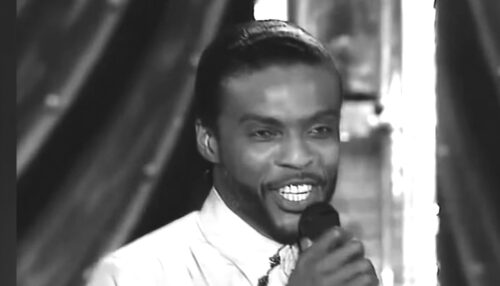
🇳🇱 The Netherlands: In memoriam Humphrey Campbell

Dutch Eurovision singer Humphrey Campbell passed away. He was 66 years old.

Campbell’s journey in the music industry kicked off when he, still a teenager in Suriname, clinched victory at a School Song Festival. This win earned him a record deal, under the mentorship of Oscar Harris. Following a tour in the Netherlands alongside Harris, Campbell was inspired to settle there and pursue his musical career.

He took part at the Knokke Song Contest, and secured a lead role in the musical “A Night at the Cotton Club,” where he starred alongside Ruth Jacott. Jacott and Campbell had a relationship at that time. During this period, he crafted a unique musical style that fused jazz with elements of South American music.

Campbell’s big break came in 1992 when he was selected to represent at the Eurovision Song Contest, outperforming nine other competitors. Ruth Jacott joined him at the contest in Malmö, Sweden, as his background singer. His song, “Wijs me de weg”, reached a 9th place. The following year, roles reversed as Campbell supported Ruth Jacott with background vocals when she represented the Netherlands with the song “Vrede.”

Following his stint at Eurovision, Campbell continued his music career predominantly behind the scenes, collaborating as a guest musician with artists such as Paul de Leeuw, Anita Meijer, and Rob de Nijs. He also shared his expertise as a conservatory teacher in Amsterdam.

Last week, Humphrey Campbell announced that he had to cancel a planned tour, as he was seriously ill, suffering from cancer. Campbell was 66 years old.

Related news

History

70 years of Eurovision, slipping into the sixties

The Eurovision Song Contest is celebrating its 70th anniversary. That is a wonderful milestone. We at Eurovision Universe love diving into the history of the contest. That is why we are taking a closer look at the contests of the past 70 years. 1959 France chose to organize the contest in Cannes. Eleven countries came together. No Luxembourg this year, but the United Kingdom was back. Monaco made its debut. The presentation was in the hands of Jacqueline Joubert, who would go on to do so more often. The big favorite was Domenico Modugno. After the success of “Volare,” he entered for Italy again. He did not show up for the first rehearsal. He did not consider it important. The French broadcaster thought different and scheduled a rehearsal for him anyway. He did not win by a long shot. His “Piove” finished in sixth place only. Also noteworthy were the participants from Germany: the recently deceased Kessler Sisters, who sang their song entirely in sync. But France did not want to grant Italy the victory. The same applied the other way around. And where two dogs fight over a bone, the third one runs off with it. And that was the Dutch Teddy Scholten. With the artfully rhymed “Een beetje,” she took first place, much to her own surprise. When someone from the production team urged her to go to the stage because she had won, she didn’t believe a word of it. And yet it was true: the Netherlands had won for the second time in four years. 1960 It became a bit too much for the Dutch broadcaster to organize the contest yet again. Therefore, the British BBC took over. The contest moved to London, and for the first time, but certainly not the last, Cathy Boyle hosted the event. Thirteen countries participated. Luxembourg was back, and Norway made its debut.Big stars participated. Siw Malmkvist represented Sweden. Camillo Felgen competed for Luxembourg (in Luxembourgish!). Rudi Carell, who would later become a big star in Germany, competed for the Netherlands. None of them finished high. The winner was 19-year-old Jacqueline Boyer. Conductor Franck Pourcel was displeased that she had to perform last. After all, she had to go to bed early, the conductor said. At Pourcel’s request, the entire rehearsal schedule was rearranged. And Jacqueline won! “Tom Pillibi”, a song about a pathological liar, became a huge success and an international hit. 1961 The Eurovision Song Contest returned to Cannes, France. Jacqueline Joubert hosted it for the second time. By then, the number of participating countries had grown to sixteen. Spain, Yugoslavia, and Finland made their debut. Lale Andersen participated for Germany. She had gained fame during World War II with the song “Lili Marleen”. A Greek also took to the stage, which was the first time. Although Greece itself was not yet participating, singer Jimmy Makoulis represented Austria. The final unintentionally became very exciting between Luxembourg and the United Kingdom. Unintentionally, because for a long time, too many points were accidentally recorded for the British on the scoreboard. The British duo, The Allisons, did have the big Eurovision hit of that year with “Are You Sure?”. Frenchman Jean-Claude Pascal won for Luxembourg. In “Nous, les amoureux,” he sang of a love that was disapproved of by others. Only much later Pascal admitted that this song was about the love between two men. In this, Pascal was far, very far ahead of his time.

Read More »
History
Martijn

70 years of Eurovision, slipping into the sixties

The Eurovision Song Contest is celebrating its 70th anniversary. That is a wonderful milestone. We at Eurovision Universe love diving into the history of the contest. That is why we are taking a closer look at the contests of the past 70 years. 1959 France chose to organize the contest in Cannes. Eleven countries came together. No Luxembourg this year, but the United Kingdom was back. Monaco made its debut. The presentation was in the hands of Jacqueline Joubert, who would go on to do so more often. The big favorite was Domenico Modugno. After the success of “Volare,” he entered for Italy again. He did not show up for the first rehearsal. He did not consider it important. The French broadcaster thought different and scheduled a rehearsal for him anyway. He did not win by a long shot. His “Piove” finished in sixth place only. Also noteworthy were the participants from Germany: the recently deceased Kessler Sisters, who sang their song entirely in sync. But France did not want to grant Italy the victory. The same applied the other way around. And where two dogs fight over a bone, the third one runs off with it. And that was the Dutch Teddy Scholten. With the artfully rhymed “Een beetje,” she took first place, much to her own surprise. When someone from the production team urged her to go to the stage because she had won, she didn’t believe a word of it. And yet it was true: the Netherlands had won for the second time in four years. 1960 It became a bit too much for the Dutch broadcaster to organize the contest yet again. Therefore, the British BBC took over. The contest moved to London, and for the first time, but certainly not the last, Cathy Boyle hosted the event. Thirteen countries participated. Luxembourg was back, and Norway made its debut.Big stars participated. Siw Malmkvist represented Sweden. Camillo Felgen competed for Luxembourg (in Luxembourgish!). Rudi Carell, who would later become a big star in Germany, competed for the Netherlands. None of them finished high. The winner was 19-year-old Jacqueline Boyer. Conductor Franck Pourcel was displeased that she had to perform last. After all, she had to go to bed early, the conductor said. At Pourcel’s request, the entire rehearsal schedule was rearranged. And Jacqueline won! “Tom Pillibi”, a song about a pathological liar, became a huge success and an international hit. 1961 The Eurovision Song Contest returned to Cannes, France. Jacqueline Joubert hosted it for the second time. By then, the number of participating countries had grown to sixteen. Spain, Yugoslavia, and Finland made their debut. Lale Andersen participated for Germany. She had gained fame during World War II with the song “Lili Marleen”. A Greek also took to the stage, which was the first time. Although Greece itself was not yet participating, singer Jimmy Makoulis represented Austria. The final unintentionally became very exciting between Luxembourg and the United Kingdom. Unintentionally, because for a long time, too many points were accidentally recorded for the British on the scoreboard. The British duo, The Allisons, did have the big Eurovision hit of that year with “Are You Sure?”. Frenchman Jean-Claude Pascal won for Luxembourg. In “Nous, les amoureux,” he sang of a love that was disapproved of by others. Only much later Pascal admitted that this song was about the love between two men. In this, Pascal was far, very far ahead of his time.

Read More »
Follow Us: