Weekly Update

It’s Tuesday, November 25, 2025, and time for another weekly update! This week the Eurovision community saw major news straight from the EBU. A comprehensive overhaul of the Eurovision Song Contest voting system was announced ahead of Vienna 2026. The news was accompanied by an open letter to fans. Meanwhile, Eurovision’s online presence got a big upgrade with the launch of a brand-new official website. Plans for Eurovision 2026 tickets were revealed. The road to the 70th Contest is truly heating up. Here are this week’s top stories:

Contest Updates
Martin Green Addresses Fans in Open Letter on Voting Changes

Martin Green, the Eurovision Song Contest Director, has written an open letter to the fan community about upcoming voting change. He acknowledged concerns raised after Eurovision 2025 and said the EBU spent the summer reviewing issues and consulting broadcasters. Green stressed the need to “strengthen trust” in the Contest’s fairness and keep Eurovision a “neutral space” where music unites people. He assured fans that a “series of significant changes” in 2026 will  as the Contest moves forward.

📷 Martin Green, EBU

Eurovision 2026 Voting Overhaul: Key Rule Changes Unveiled

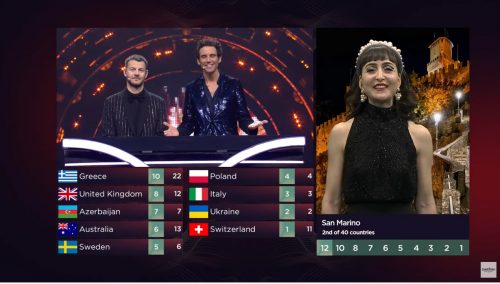
The EBU has unveiled a major overhaul of Eurovision voting rules for 2026. These updates aim to ensure a fairer contest after concerns last year. Stricter promotion rules will now ban any broadcaster or artist from supporting third-party voting campaigns (including government-backed drives) that could distort the results. The maximum number of votes per viewer (per payment method) is being halved from 20 to 10. This encourages viewers to spread their support across multiple entries. Professional juries will return to the Semi-Finals. A roughly 50/50 jury–public vote balance is restored. Each national jury is expanding from 5 to 7 members (with at least two aged 18–25) to add more diverse expertise. In addition, enhanced anti-fraud systems will monitor and block any suspicious or coordinated voting activity. Together, these measures are designed to strengthen trust and transparency in the lead-up to Eurovision 2026.
Fan Updates
Official Eurovision Website Moves to Eurovision.com

Eurovision’s official website has a new home. The organisation has launched Eurovision.com as the “new home for everything” Eurovision, replacing the longtime Eurovision.tv site. The old site will shut down next week. The modernised platform is fully accessible and packed with features. One highlight is a comprehensive Contest database covering all 70 editions of the contest, dating back to 1956. Fans can also create a free “Eurofan” account on the site. This offers early ticket access, exclusive merchandise, special perks and personalised content. The Eurovision app, Junior Eurovision site, and other digital platforms will be updated over the coming months to match the new site. New features will start rolling out from February, as the road to Vienna 2026 officially begins on this upgraded online hub.

Eurovision 2026 Tickets: Registration Required for January Sale

Tickets for Eurovision 2026 are on the way, but fans need to act now to secure their chance. The first wave of tickets will go on sale on Tuesday 13 January 2026 at 13:00 CET. To participate in this sale, fans must pre-register during the current registration window (open now until 18 December 2025). Registration involves creating a free Eurofan account on the new official website and signing up with Eurovision’s ticketing partner, Oeticket, using the same email address. Only those who complete both steps by 18 December will receive an email in early January with a personal link and access code to buy tickets. Each code will allow the purchase of up to four tickets. Demand is expected to be very high. Receiving a code doesn’t guarantee tickets. Additional ticket sales rounds are likely to follow later, so fans who miss out should keep an eye on official updates.


source: eurovision.tv

Related news

Eurovision 2026

Road to Vienna: San Marino

Road to Vienna: San Marino As the Eurovision Song Contest 2026 in Vienna approaches, we continue our daily spotlight on this year’s contestants. Today, we focus on San Marino. Senhit: From Musical Theatre to Eurovision Senhit, born in Bologna to Eritrean parents, began her career in musical theatre. In the late 1990s and early 2000s, she toured across Europe, starring in major productions like Fame, The Lion King, and Hair. These roles helped shape her stage presence and artistic foundation. Transition to Music and Early Albums After returning to Italy, Senhit launched her music career with her debut album Senit (2006), followed by Un tesoro è necessariamente nascosto (2007). In 2009, she released So High, an English-language album that highlighted her versatility in pop music. Eurovision Debut and Career Growth Senhit represented San Marino at Eurovision 2011 with “Stand By.” Although she didn’t reach the final, it boosted her international visibility. She continued releasing singles, rebranded from “Senit” to “Senhit” in 2014, and built a strong presence in the European club scene, leading to her EP Hey Buddy (2017). Eurovision Comeback and “Adrenalina” Success Selected again for Eurovision 2020, her entry was canceled due to the pandemic. She returned in 2021 with “Adrenalina” featuring Flo Rida, reaching the final and gaining major streaming success, becoming a fan favorite across Europe. Recent Music and Projects In recent years, Senhit has stayed active with new releases, live performances, and hosting San Marino’s national selection show. Her 2024 album Dangerous includes collaborations with top international producers and artists. Eurovision 2026 Return In 2026, Senhit won San Marino’s national selection with “Superstar,” featuring Boy George. This marks her third Eurovision appearance, reinforcing her status as a dynamic and enduring figure in the pop music scene. Boy George: An 80s Icon Boy George, born George Alan O’Dowd in London, grew up in a working-class Irish family. Inspired by glam rock legend David Bowie, he developed a passion for music early on. His bold, androgynous style and love for performance quickly made him stand out in London’s vibrant club scene. Culture Club and Global Fame In 1981, Boy George formed Culture Club, achieving worldwide success with hits like “Do You Really Want to Hurt Me” and “Karma Chameleon.” By the mid-1980s, the band became one of the biggest pop acts globally, winning a Grammy Award and multiple Brit Awards. His unique voice and image made him a defining figure of 80s pop culture. Challenges and Solo Career Facing personal struggles and addiction, Culture Club disbanded in 1986. Boy George later rebuilt his career with solo hits like “Everything I Own” and “The Crying Game.” He also explored DJing and dance music while becoming an influential LGBTQ+ icon. Reinvention and Creative Projects From the late 1990s onward, Boy George reunited with Culture Club and expanded into new ventures. He created the musical Taboo and remained active in music, television, and writing. Despite legal setbacks, he achieved sobriety and continued evolving as an artist. Legacy and Continued Success In the 2010s, Boy George appeared on shows like The Voice UK and toured globally. With over 50 million records sold, he is widely recognized as a trailblazer in music, fashion, and LGBTQ+ representation. Eurovision 2026 Debut In 2026, Boy George joins Senhit to represent San Marino at the Eurovision Song Contest 2026 with their song “Superstar.” This marks his long-awaited Eurovision debut, adding a new chapter to his legendary career. Superstar: Confidence and Self-Expression Set in a vibrant nightlife atmosphere, “Superstar” explores a world where appearances matter. People try to impress, creating a sense of pressure and expectation. In contrast, one person stands out—not for confidence, but for insecurity and self-doubt. From Insecurity to Empowerment As the song develops, it shifts into a powerful message of growth. The lyrics encourage stepping out of the shadows and embracing who you are. What starts as uncertainty transforms into confidence and self-belief. Strength Through Struggles References to heartbreak and emotional scars add depth to the story. The song highlights that true confidence doesn’t come from perfection, but from overcoming challenges and learning from past experiences. Embracing Individuality The second verse celebrates uniqueness, describing the individual as strong and valuable. Differences are not flaws—they are strengths. The journey through hardship becomes a source of inner power. Be Your Own Superstar At its heart, “Superstar” is about authenticity. It reminds listeners that being a “superstar” isn’t about fame, but about self-acceptance. By embracing imperfections and showing your true self, you turn vulnerability into confidence. San Marino in the Eurovision Song Contest San Marino has participated in the Eurovision Song Contest since 2008. Despite being one of the smallest countries in the competition, it has made notable contributions, with its best result in 2019 when Serhat‘s “Say Na Na Na” finished 19th in the Grand Final. But when we talk about San Marino, we must not forget Valentina Monetta. She participated for her country on no less than four occasions. She was, in 2014, the first one to bring San Marino to the final. The Bookmakers Ranked 27th with the bookmakers, San Marino faces an uphill battle — will they defy the odds and make it to the final?    

Read More »
Eurovision 2026
Anja Kroeze

Road to Vienna: San Marino

Road to Vienna: San Marino As the Eurovision Song Contest 2026 in Vienna approaches, we continue our daily spotlight on this year’s contestants. Today, we focus on San Marino. Senhit: From Musical Theatre to Eurovision Senhit, born in Bologna to Eritrean parents, began her career in musical theatre. In the late 1990s and early 2000s, she toured across Europe, starring in major productions like Fame, The Lion King, and Hair. These roles helped shape her stage presence and artistic foundation. Transition to Music and Early Albums After returning to Italy, Senhit launched her music career with her debut album Senit (2006), followed by Un tesoro è necessariamente nascosto (2007). In 2009, she released So High, an English-language album that highlighted her versatility in pop music. Eurovision Debut and Career Growth Senhit represented San Marino at Eurovision 2011 with “Stand By.” Although she didn’t reach the final, it boosted her international visibility. She continued releasing singles, rebranded from “Senit” to “Senhit” in 2014, and built a strong presence in the European club scene, leading to her EP Hey Buddy (2017). Eurovision Comeback and “Adrenalina” Success Selected again for Eurovision 2020, her entry was canceled due to the pandemic. She returned in 2021 with “Adrenalina” featuring Flo Rida, reaching the final and gaining major streaming success, becoming a fan favorite across Europe. Recent Music and Projects In recent years, Senhit has stayed active with new releases, live performances, and hosting San Marino’s national selection show. Her 2024 album Dangerous includes collaborations with top international producers and artists. Eurovision 2026 Return In 2026, Senhit won San Marino’s national selection with “Superstar,” featuring Boy George. This marks her third Eurovision appearance, reinforcing her status as a dynamic and enduring figure in the pop music scene. Boy George: An 80s Icon Boy George, born George Alan O’Dowd in London, grew up in a working-class Irish family. Inspired by glam rock legend David Bowie, he developed a passion for music early on. His bold, androgynous style and love for performance quickly made him stand out in London’s vibrant club scene. Culture Club and Global Fame In 1981, Boy George formed Culture Club, achieving worldwide success with hits like “Do You Really Want to Hurt Me” and “Karma Chameleon.” By the mid-1980s, the band became one of the biggest pop acts globally, winning a Grammy Award and multiple Brit Awards. His unique voice and image made him a defining figure of 80s pop culture. Challenges and Solo Career Facing personal struggles and addiction, Culture Club disbanded in 1986. Boy George later rebuilt his career with solo hits like “Everything I Own” and “The Crying Game.” He also explored DJing and dance music while becoming an influential LGBTQ+ icon. Reinvention and Creative Projects From the late 1990s onward, Boy George reunited with Culture Club and expanded into new ventures. He created the musical Taboo and remained active in music, television, and writing. Despite legal setbacks, he achieved sobriety and continued evolving as an artist. Legacy and Continued Success In the 2010s, Boy George appeared on shows like The Voice UK and toured globally. With over 50 million records sold, he is widely recognized as a trailblazer in music, fashion, and LGBTQ+ representation. Eurovision 2026 Debut In 2026, Boy George joins Senhit to represent San Marino at the Eurovision Song Contest 2026 with their song “Superstar.” This marks his long-awaited Eurovision debut, adding a new chapter to his legendary career. Superstar: Confidence and Self-Expression Set in a vibrant nightlife atmosphere, “Superstar” explores a world where appearances matter. People try to impress, creating a sense of pressure and expectation. In contrast, one person stands out—not for confidence, but for insecurity and self-doubt. From Insecurity to Empowerment As the song develops, it shifts into a powerful message of growth. The lyrics encourage stepping out of the shadows and embracing who you are. What starts as uncertainty transforms into confidence and self-belief. Strength Through Struggles References to heartbreak and emotional scars add depth to the story. The song highlights that true confidence doesn’t come from perfection, but from overcoming challenges and learning from past experiences. Embracing Individuality The second verse celebrates uniqueness, describing the individual as strong and valuable. Differences are not flaws—they are strengths. The journey through hardship becomes a source of inner power. Be Your Own Superstar At its heart, “Superstar” is about authenticity. It reminds listeners that being a “superstar” isn’t about fame, but about self-acceptance. By embracing imperfections and showing your true self, you turn vulnerability into confidence. San Marino in the Eurovision Song Contest San Marino has participated in the Eurovision Song Contest since 2008. Despite being one of the smallest countries in the competition, it has made notable contributions, with its best result in 2019 when Serhat‘s “Say Na Na Na” finished 19th in the Grand Final. But when we talk about San Marino, we must not forget Valentina Monetta. She participated for her country on no less than four occasions. She was, in 2014, the first one to bring San Marino to the final. The Bookmakers Ranked 27th with the bookmakers, San Marino faces an uphill battle — will they defy the odds and make it to the final?    

Read More »
Follow Us: