Weekly Update

It’s time for another weekly update on Eurovision! Broadcasters across Europe continue to firm up their plans for Eurovision 2026 in Vienna. There are new participation developments and national selection news emerging. Vienna itself is gearing up to host the 70th Eurovision Song Contest 2026, as city officials begin preparations. Here are this week’s top stories:

Participation Updates: Iceland, Poland & Netherlands

🇮🇸 Iceland: RÚV (Iceland’s broadcaster) has confirmed its Eurovision 2026 participation. The broadcaster opened song submissions for Söngvakeppnin 2026, the national selection. The 2026 edition will mark 40 years of Iceland in the contest, and artists can send entries until September 23. Iceland’s 2025 act Væb reached the final in Basel, and the country is now aiming to build on that success in Vienna. source: eurovoix.com

📷 EBU/Corinne Cumming

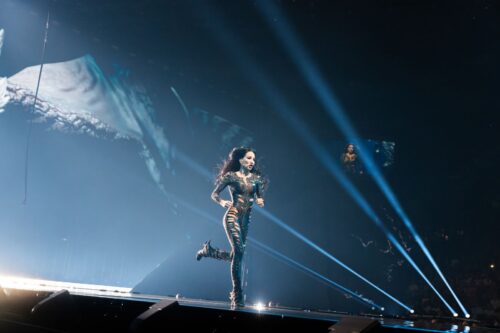
🇵🇱 Poland: TVP is likely to announce its decision on participating in Eurovision 2026 by mid-September. The head of the Polish delegation confirmed the plan, emphasizing that Poland will make its statement within the deadline required by the EBU. While no official confirmation has been issued yet, all signs indicate Poland does intend to compete in Vienna. source: escspot.pl
📷 EBU/Corinne Cumming

🇳🇱 The Netherlands: Broadcaster AVROTROS has so far given “no comment” on the Netherlands’ Eurovision 2026 participation status. The Dutch broadcaster says it is in ongoing talks with the EBU and other countries about “geopolitical influences” on the contest. As long as these discussions continue, AVROTROS is withholding any further details – leaving the Netherlands’ Eurovision plans uncertain for now. source: rtl.nl

📷 EBU/Sarah Louise Bennett

Song Submission Windows: Albania Opens, Norway Closes

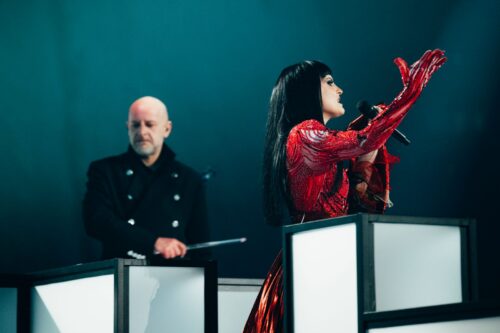
🇦🇱 Albania: The search is on for Albania’s next Eurovision entry. RTSH opened the song submission window for Festivali i Këngës 64 on September 1. Artists and composers have until September 30 to send in their songs (via email) for the long-running festival, which is expected to once again select Albania’s representative. FiK has been Albania’s Eurovision selection method since the country’s debut, and this year’s edition will likely be held in December. source: eurovoix.com
📷 EBU/Sarah Louise Bennett

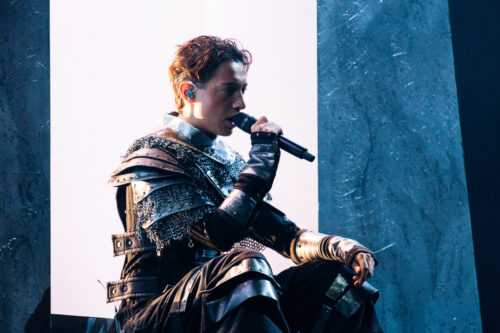
🇳🇴 Norway: In Norway the submission period for Melodi Grand Prix (MGP) 2026 has just closed. September 1 was the last day for artists and songwriters to submit entries to NRK’s national selection. The song window opened back on June 20, and with it now shut, NRK will sift through the entries and is set to announce further MGP details later in the autumn. Norway will choose its Eurovision act in early 2026 through the MGP shows. source: eurovoix.com
📷 EBU/Corinne Cumming

🇦🇹 Host City Preparations: Vienna 2026

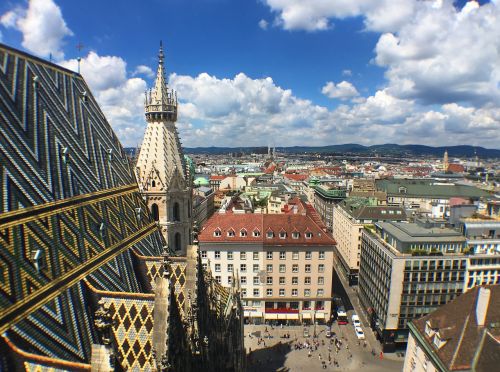
Vienna: As host city, Vienna is considering special measures to accommodate the influx of Eurovision fans next May. Deputy Mayor Bettina Emmerling has proposed a temporary suspension of the usual Sunday and holiday store closures during the week of Eurovision 2026. With one show falling on Ascension Day (Thursday, May 14) and the Grand Final weekend including Sunday, Emmerling argues that allowing shops to open on those days would help the city maximize economic benefits from the event. The idea – last implemented during Euro 2008 – would require discussions with labor unions and business groups before it can be approved. City officials are weighing the plan to ensure visitors can enjoy Vienna (and shop) throughout the contest week. source: vienna.at
📷 Needpix.com

Wiener Stadthalle: Meanwhile, Vienna’s Eurovision venue is ramping up preparations. A job listing has been published. ORF is seeking an Event Manager for the Wiener Stadthalle, specifically to support the organization of Eurovision 2026. The new hire will work on contest-related event logistics alongside the venue’s management team. Applications for this role are open until September 30. This recruitment drive underlines that planning is in full swing to deliver a spectacular 70th Eurovision Song Contest in Vienna next May. source: wienholding.at
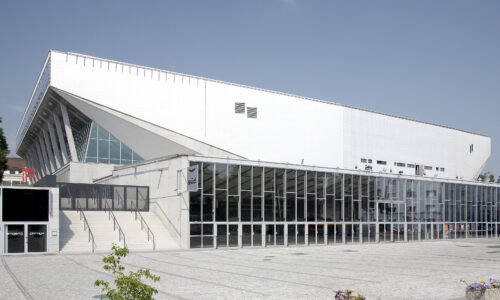
📷 Wikimedia Commons

Israel’s 2026 participation speculation

Israel’s potential Eurovision 2026 participation is the subject of fresh speculation this week after the EBU released an Instagram reel addressing the humanitarian crisis in Gaza. In the post, the EBU acknowledged severe conditions in Gaza and placed direct responsibility on Israeli government policy. A notable public stance that quickly caught fans’ attention. Eurovision news outlets report that discussion is growing about a possible temporary ban or suspension of Israel from the contest as a result. The EBU had previously ruled out excluding any country. However, Israel’s status for 2026 now appears to be under increased scrutiny, with officials saying participation remains “under review” amid the evolving situation source: eurovisionfun.com.

Stay tuned for more Eurovision updates next week. The road to Vienna 2026 is just beginning. New developments are coming fast. We’ll keep you informed on all the Eurovision news as the season unfolds!

Related news

History

Austria in the Eurovision Song Contest, part 6

This year’s Eurovision Song Contest has been won by Austria. It was the 57th Austrian entry. Reason for us to go back to all the Austrian entries in history! For the sixth episode, we look back at the nineties. With Tony Wegas’ double, and a total of three top-10 scores, the hard times began for Austria in the Eurovision Song Contest. 1992: Tony Wegas – “Zusammen geh’n” Tony Wegas, an Austrian singer and television actor, represented Austria at Eurovision 1992 with the power ballad “Zusammen geh’n”. Dieter Bohlen composed the music and Joachim Horn-Bernges wrote the lyrics, giving the song a classic pop-ballad style. Wegas delivered an emotive performance of this German-language track on the Malmö stage. “Zusammen geh’n” earned 63 points, securing a 10th place finish for Austria at the 1992 contest. 1993: Tony Wegas – “Maria Magdalena” Tony Wegas returned in 1993 to represent Austria with “Maria Magdalena,” a dramatic pop song with biblical references. He was selected internally, and presented 7 songs. Wegas, known for his singing career and TV acting, gave an engaging performance of this German-language track about Mary Magdalene. Christian Kolonovits and Johann Bertl composed the music, while Thomas Spitzer penned the lyrics, infusing the song with theatrical flair. Despite its uptempo style compared to the previous year, “Maria Magdalena” scored 32 points and placed 14th out of 25 entries at Eurovision 1993. 1994: Petra Frey – “Für den Frieden der Welt” Eight artists and songs competed in the national final. Simone participated but did not win. Petra Frey, only 16 years old at the time, represented Austria at Eurovision 1994 in Dublin with the ballad “Für den Frieden der Welt” (translated as “For the Peace of the World”). Alfons Weindorf composed the music, and brothers Karl & Johann Brunner wrote the lyrics, creating a heartfelt pop ballad calling for world peace. The song showcased Frey’s strong vocals, honed from her early schlager music career, and delivered a sincere message on stage. Austria’s 1994 entry earned 19 points, finishing in 17th place among 25 countries. 1995: Stella Jones – “Die Welt dreht sich verkehrt” Stella Jones, an Austrian singer with jazz and soul roots, took the stage in 1995 with “Die Welt dreht sich verkehrt” (meaning “The World Turns Upside Down”). Jones delivered a funky, blues-infused pop performance that reflected her versatile musical background. Michael W. Krausz both wrote the lyrics and composed the music for this entry, a song which stood out amid a contest often dominated by ballads. The Austrian entry scored 67 points, achieving a 13th place finish in the 1995 Eurovision final. 1996: George Nussbaumer – “Weil’s dr guat got” George Nussbaumer, a blind Austrian blues musician, brought a unique gospel-blues flair to Eurovision 1996 with “Weil’s dr guat got”. Sung in his native Vorarlberg dialect (the title roughly means “Because You’re Doing Well”), the song blended upbeat soul and pop elements. Nussbaumer co-wrote the entry himself. He composed the music and co-authored the lyrics with Michael W. Krausz and infused it with authentic blues style. His uplifting performance in Oslo resonated with the juries, as Austria earned 68 points and a 10th place finish at the 1996 contest. 1997: Bettina Soriat – “One Step” Bettina Soriat, an Austrian singer and stage performer, stepped into the spotlight in 1997 with “One Step.” Having been a backing vocalist for Austria’s 1996 entry, Soriat brought an upbeat dance-pop routine to Eurovision 1997. Marc Berry (stage name of Marcus Dlugaiczyk) wrote the song’s lyrics and co-composed the music with Ina Siber, crafting a catchy tune with playful choreography. Despite the energetic performance and its fun pop appeal, “One Step” received just 12 points, placing 21st out of 25 entries in the Dublin final. 1999: Bobbie Singer – “Reflection” Bobbie Singer (born Tina Schosser), an 18-year-old Austrian pop singer, returned for Eurovision 1999 after Austria’s one-year absence. She performed “Reflection,” a contemporary English-language pop song that projected a youthful, radio-friendly vibe. Dave Moskin wrote and composed “Reflection”, providing a modern pop sound accompanied by a live band on stage. Bobbie’s engaging performance in Jerusalem gave Austria a fresh image in the contest. The entry scored 65 points, achieving a 10th place finish out of 23 countries – Austria’s best Eurovision result of the 1990s.        

Read More »
History
Martijn

Austria in the Eurovision Song Contest, part 6

This year’s Eurovision Song Contest has been won by Austria. It was the 57th Austrian entry. Reason for us to go back to all the Austrian entries in history! For the sixth episode, we look back at the nineties. With Tony Wegas’ double, and a total of three top-10 scores, the hard times began for Austria in the Eurovision Song Contest. 1992: Tony Wegas – “Zusammen geh’n” Tony Wegas, an Austrian singer and television actor, represented Austria at Eurovision 1992 with the power ballad “Zusammen geh’n”. Dieter Bohlen composed the music and Joachim Horn-Bernges wrote the lyrics, giving the song a classic pop-ballad style. Wegas delivered an emotive performance of this German-language track on the Malmö stage. “Zusammen geh’n” earned 63 points, securing a 10th place finish for Austria at the 1992 contest. 1993: Tony Wegas – “Maria Magdalena” Tony Wegas returned in 1993 to represent Austria with “Maria Magdalena,” a dramatic pop song with biblical references. He was selected internally, and presented 7 songs. Wegas, known for his singing career and TV acting, gave an engaging performance of this German-language track about Mary Magdalene. Christian Kolonovits and Johann Bertl composed the music, while Thomas Spitzer penned the lyrics, infusing the song with theatrical flair. Despite its uptempo style compared to the previous year, “Maria Magdalena” scored 32 points and placed 14th out of 25 entries at Eurovision 1993. 1994: Petra Frey – “Für den Frieden der Welt” Eight artists and songs competed in the national final. Simone participated but did not win. Petra Frey, only 16 years old at the time, represented Austria at Eurovision 1994 in Dublin with the ballad “Für den Frieden der Welt” (translated as “For the Peace of the World”). Alfons Weindorf composed the music, and brothers Karl & Johann Brunner wrote the lyrics, creating a heartfelt pop ballad calling for world peace. The song showcased Frey’s strong vocals, honed from her early schlager music career, and delivered a sincere message on stage. Austria’s 1994 entry earned 19 points, finishing in 17th place among 25 countries. 1995: Stella Jones – “Die Welt dreht sich verkehrt” Stella Jones, an Austrian singer with jazz and soul roots, took the stage in 1995 with “Die Welt dreht sich verkehrt” (meaning “The World Turns Upside Down”). Jones delivered a funky, blues-infused pop performance that reflected her versatile musical background. Michael W. Krausz both wrote the lyrics and composed the music for this entry, a song which stood out amid a contest often dominated by ballads. The Austrian entry scored 67 points, achieving a 13th place finish in the 1995 Eurovision final. 1996: George Nussbaumer – “Weil’s dr guat got” George Nussbaumer, a blind Austrian blues musician, brought a unique gospel-blues flair to Eurovision 1996 with “Weil’s dr guat got”. Sung in his native Vorarlberg dialect (the title roughly means “Because You’re Doing Well”), the song blended upbeat soul and pop elements. Nussbaumer co-wrote the entry himself. He composed the music and co-authored the lyrics with Michael W. Krausz and infused it with authentic blues style. His uplifting performance in Oslo resonated with the juries, as Austria earned 68 points and a 10th place finish at the 1996 contest. 1997: Bettina Soriat – “One Step” Bettina Soriat, an Austrian singer and stage performer, stepped into the spotlight in 1997 with “One Step.” Having been a backing vocalist for Austria’s 1996 entry, Soriat brought an upbeat dance-pop routine to Eurovision 1997. Marc Berry (stage name of Marcus Dlugaiczyk) wrote the song’s lyrics and co-composed the music with Ina Siber, crafting a catchy tune with playful choreography. Despite the energetic performance and its fun pop appeal, “One Step” received just 12 points, placing 21st out of 25 entries in the Dublin final. 1999: Bobbie Singer – “Reflection” Bobbie Singer (born Tina Schosser), an 18-year-old Austrian pop singer, returned for Eurovision 1999 after Austria’s one-year absence. She performed “Reflection,” a contemporary English-language pop song that projected a youthful, radio-friendly vibe. Dave Moskin wrote and composed “Reflection”, providing a modern pop sound accompanied by a live band on stage. Bobbie’s engaging performance in Jerusalem gave Austria a fresh image in the contest. The entry scored 65 points, achieving a 10th place finish out of 23 countries – Austria’s best Eurovision result of the 1990s.        

Read More »
Follow Us: