Malmö Messages: interval acts announced

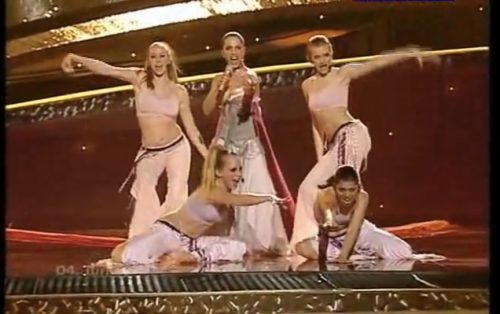
Sertab Erener

Several famous singers from Eurovision will perform as interval acts at the Eurovision Song Contest. SVT, the Swedish broadcaster, announced two of these performances for the Semi-Finals.

In the First Semi-Final, Benjamin Ingrosso will sing some of his recent songs. In the Second Semi-Final, three famous Eurovision winners – Helena Paparizou, Sertab Erener, and Charlotte Perrelli – will lead a big sing-along. People at home can also take part in this sing-along. Keep an eye on Eurovision’s official channels for an update on how to do so.

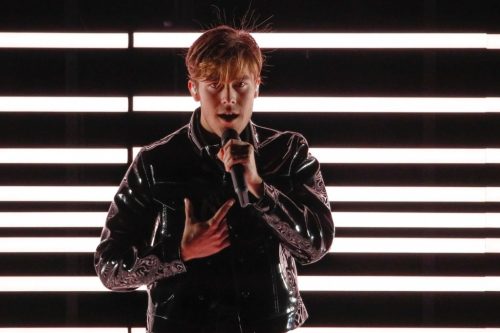
Benjamin Ingrosso represented Sweden in 2018 with “Dance You Off” and since then, he’s become even more popular. He’s excited to perform in Malmö and hopes everyone enjoys his show.

Benjamin Ingrosso, photo: EBU/Andres Putting

The Second Semi-Final will have a special moment where people at home can join in singing classic Eurovision songs with Helena Paparizou, Sertab Erener, and Charlotte Perrelli.

Helena Paparizou, who won for Greece in 2005, is thrilled to be back on the Eurovision stage after many years. Paparizou lives in Sweden, took part in Melodifestivalen and also represented Greece in 2001.

Helena Paparizou

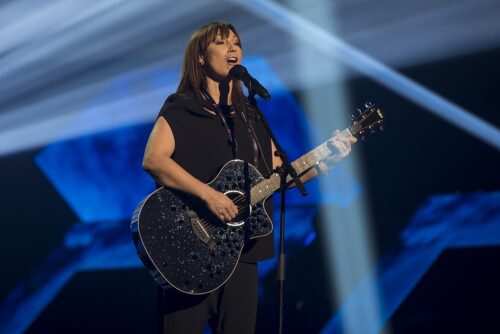
Sertab Erener was the 2003 Eurovision winner, representing Turkey. Charlotte Perelli won in 1999, but also participated in 2008. We saw the latter hosting Eurovision In Concert, the preparty in Amsterdam, last month.


Charlotte Perelli, photo: Albin Olsson, Wikimedia Commons

in collaboration with Eurovision Artists

Related news

History

70 years of Eurovision: the singing deodorants

The Eurovision Song Contest is celebrating its 70th anniversary. That is a wonderful milestone. We at Eurovision Universe love diving into the history of the contest. That is why we are taking a closer look at the contests of the past 70 years. 1984 Luxembourg was known for its venues being too small. This time, Desirée Nosbusch hosted the Eurovision Song Contest from the Teatre Municipal in the capital. She did this in an inimitable manner, effortlessly switching languages three times in a single sentence. Israel was once again absent due to a memorial day. Greece was not present either. Ireland was back. Isolda, one half of the Yugoslavian duo Ida & Vlado, had also participated two years earlier. Mary Roos, who had also participated in 1972, was making a return appearance as well. An ABBA-like group, Bravo, participated for Spain. Johnny Logan wrote the Irish entry, “Terminal 3”, for Linda Martin. The duo Hot Eyes for Denmark was also striking. In the Danish national final, they jumped into the pool; that was of course not possible in Luxembourg. At the time, no one knew that Kirsten, the female half of the duo, was pregnant. Another striking duo was Alice and Franco Battiato for Italy. The two were accompanied by a small opera choir. Their “I treni di tozeur” came fifth, and became an international hit. By now, the song is a Eurovision classic. The Herreys It remained very exciting for a long time, particularly between Ireland and Sweden. In the end, it was Sweden that won. Three brothers, Mormons who had been living in the United States for quite some time, sang the song “Diggy-loo Diggy-ley”. There was a lot of criticism in their own country after winning the national final. The brothers were dismissed as ‘the singing deodorants’. Yet it worked; with polo shirts in primary colors and golden boots, the three won the hearts of all of Europe. Once again, the winner of the Eurovision Song Contest was a major European hit. 1985 The Eurovision circus moved to Sweden, more precisely to Gothenburg. Lill Lindfors presented the contest in the Skandinaviumhallen. She garnered much praise for that task. One clip still makes it into all kinds of song festival compilations. After the entre act, Lill stepped on her dress with her heel, which then tore. For a moment, Lill, standing in her underwear, seemed to panic; then she unclipped two clips on her shoulder and discovered she was wearing a completely different dress. “I just wanted you to wake up a little” was her explanation. The Netherlands and Yugoslavia did not participate. Both countries had a day of remembrance that day. Israel and Greece were back. Many artists had participated before. Hot Eyes competed for Denmark, just like the year before. Former winner Izhar Cohen represented Israel. The now very famous duo Al Bano & Romina Power represented Italy. The Bobbysocks from Norway had both participated before. Hanne Krogh as a child star in 1971, Elisabeth Andreasson as half of the duo Chips in 1982. Notably: the other half of Chips, Kikki Danielsson, represented Sweden! Furthermore, there were Mariella Farré and Pino Gasparini, who had both competed for Switzerland separately before, and Gary Lux, who competed for Austria for the second time. Ireen Sheer took the stage for Luxembourg for the third time. Turkey received help from the Netherlands. The trio MFÖ sang “Didai Didai Dai”. The Dutch composer Peter Schön had written the arrangement. The Luxembourg entry was also special: three duos, a French, a German, and a British duo, sang the song “Children, Kinder, enfants”. A small detail: the French duo consisted of a Belgian and a Dutch singer. Bobbysocks As mentioned, both Bobbysocks had participated before. During the national final, jury member Tony Visconti was very clear: “If this wins, Norway certainly won’t win the Eurovision Song Contest.” He was way off. After an exciting battle with Germany, it was ultimately Norway that won. The Bobbysocks were ecstatic, and the whole country with them. After a long road of entries without points and places at the bottom of the leaderboard, they finally succeeded! “La det swinge” became the very first Norwegian winner. As “Let It Swing,” it became an international hit. The Bobbysocks remained big names in Norway, but not outside of it. In 2025, they participated in the Norwegian national final again, without success.

Read More »
History
Martijn

70 years of Eurovision: the singing deodorants

The Eurovision Song Contest is celebrating its 70th anniversary. That is a wonderful milestone. We at Eurovision Universe love diving into the history of the contest. That is why we are taking a closer look at the contests of the past 70 years. 1984 Luxembourg was known for its venues being too small. This time, Desirée Nosbusch hosted the Eurovision Song Contest from the Teatre Municipal in the capital. She did this in an inimitable manner, effortlessly switching languages three times in a single sentence. Israel was once again absent due to a memorial day. Greece was not present either. Ireland was back. Isolda, one half of the Yugoslavian duo Ida & Vlado, had also participated two years earlier. Mary Roos, who had also participated in 1972, was making a return appearance as well. An ABBA-like group, Bravo, participated for Spain. Johnny Logan wrote the Irish entry, “Terminal 3”, for Linda Martin. The duo Hot Eyes for Denmark was also striking. In the Danish national final, they jumped into the pool; that was of course not possible in Luxembourg. At the time, no one knew that Kirsten, the female half of the duo, was pregnant. Another striking duo was Alice and Franco Battiato for Italy. The two were accompanied by a small opera choir. Their “I treni di tozeur” came fifth, and became an international hit. By now, the song is a Eurovision classic. The Herreys It remained very exciting for a long time, particularly between Ireland and Sweden. In the end, it was Sweden that won. Three brothers, Mormons who had been living in the United States for quite some time, sang the song “Diggy-loo Diggy-ley”. There was a lot of criticism in their own country after winning the national final. The brothers were dismissed as ‘the singing deodorants’. Yet it worked; with polo shirts in primary colors and golden boots, the three won the hearts of all of Europe. Once again, the winner of the Eurovision Song Contest was a major European hit. 1985 The Eurovision circus moved to Sweden, more precisely to Gothenburg. Lill Lindfors presented the contest in the Skandinaviumhallen. She garnered much praise for that task. One clip still makes it into all kinds of song festival compilations. After the entre act, Lill stepped on her dress with her heel, which then tore. For a moment, Lill, standing in her underwear, seemed to panic; then she unclipped two clips on her shoulder and discovered she was wearing a completely different dress. “I just wanted you to wake up a little” was her explanation. The Netherlands and Yugoslavia did not participate. Both countries had a day of remembrance that day. Israel and Greece were back. Many artists had participated before. Hot Eyes competed for Denmark, just like the year before. Former winner Izhar Cohen represented Israel. The now very famous duo Al Bano & Romina Power represented Italy. The Bobbysocks from Norway had both participated before. Hanne Krogh as a child star in 1971, Elisabeth Andreasson as half of the duo Chips in 1982. Notably: the other half of Chips, Kikki Danielsson, represented Sweden! Furthermore, there were Mariella Farré and Pino Gasparini, who had both competed for Switzerland separately before, and Gary Lux, who competed for Austria for the second time. Ireen Sheer took the stage for Luxembourg for the third time. Turkey received help from the Netherlands. The trio MFÖ sang “Didai Didai Dai”. The Dutch composer Peter Schön had written the arrangement. The Luxembourg entry was also special: three duos, a French, a German, and a British duo, sang the song “Children, Kinder, enfants”. A small detail: the French duo consisted of a Belgian and a Dutch singer. Bobbysocks As mentioned, both Bobbysocks had participated before. During the national final, jury member Tony Visconti was very clear: “If this wins, Norway certainly won’t win the Eurovision Song Contest.” He was way off. After an exciting battle with Germany, it was ultimately Norway that won. The Bobbysocks were ecstatic, and the whole country with them. After a long road of entries without points and places at the bottom of the leaderboard, they finally succeeded! “La det swinge” became the very first Norwegian winner. As “Let It Swing,” it became an international hit. The Bobbysocks remained big names in Norway, but not outside of it. In 2025, they participated in the Norwegian national final again, without success.

Read More »
Follow Us: