🇵🇱 Road to Malmö: Poland

We can not wait for the Eurovision Song Contest in Malmö. Therefore, we have a closer look at one of the contestants every day. Today: Poland.

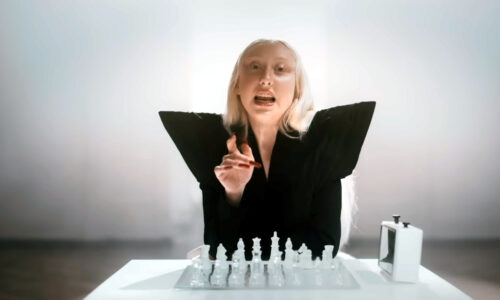
Luna

Luna, the stage persona of Aleksandra Katarzyna Wielgomas, born August 28, 1999, in Warsaw, is a distinguished Polish singer, songwriter, and composer. Beginning her musical journey with violin lessons, she later attended a high school focused on law and political sciences before pursuing artes liberales at the University of Warsaw. Luna’s early career was marked by her participation in the Artos children’s choir and performances at the Grand Theatre, laying the foundation for her artistic path.

Her collaboration with the Kayax record label in 2018 through the “My Name is New” project led to her debut single “Na wzgĂłrzach niepokoju,” propelling her into the spotlight at significant events like the Night of Museums and Pol’n’Rock Festival. 2020 saw Luna adopting her stage name and venturing into a new musical direction with MichaĹ‚ “Fox” KrĂłl, exploring cosmic sounds in her work, as highlighted in singles like “Serca przemoknÄ…” and “Mniej,” incorporating space sounds from NASA.

Luna’s “ZgaĹ›” further established her presence in the Polish music scene, embodying her “cosmic pop” style influenced by the cosmos, nature, and poetry, drawing inspiration from icons like Nick Cave and Björk. In 2024, Luna was chosen to represent Poland at the Eurovision Song Contest with “The Tower,” bringing her unique sound to an international audience.

Beyond her music, Luna engages in theatre and promotes music equality, notably as an ambassador for the Equal Spotify campaign, becoming the first Polish woman to be featured on Times Square for this initiative. Her career reflects a blend of cosmic fascination, poetic expression, and advocacy for equality in the music industry.

Polish language

It is already 5 years ago that a song, partially in Polish, participated in the Eurovision Song Contest. The Polish language, a Slavic tongue, serves as Poland’s linguistic core. It intertwines with the nation’s rich history and culture. Known for its complex sounds and unique diacritical marks like Ĺ‚ (Ĺ‚aciaty), Ĺ› (Ĺ›liski), and Ĺ„ (koĹ„), it challenges non-native speakers. Its pronunciation and consonant clusters are notably difficult. Its vocabulary is a tapestry of Slavic roots with layers of Latin, German, and English influences. It reflects centuries of cultural interactions. Beyond Poland’s borders, vibrant Polish-speaking communities flourish worldwide, preserving and enriching this beautiful language. Polish not only connects millions to their heritage but also to a deeply storied past and a dynamic present.
Poland in the Eurovision Song Contest

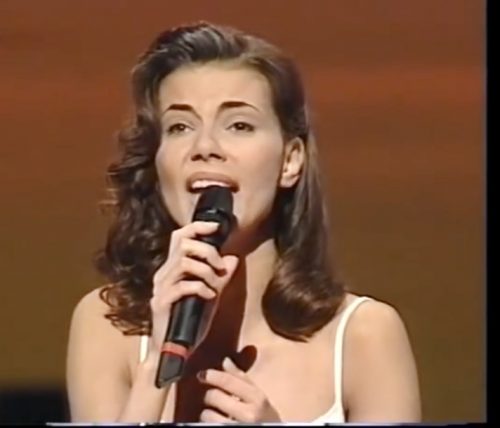
Poland debuted in the Eurovision Song Contest in 1994. With a second place for Edyta GĂłrniak’s “To nie ja”, they secured a record. The song is still the best scoring song ever for Poland. Only two times after that, the Polish entry reached the top-10. In 2003 with Ich Troje’s “Keine Grenzen – Ĺ»adnych granic” (7th) and in 2016 with MichaĹ‚ Szpak’s “Color of my life” (8th). Last year, Blanka reached the final easily, but in the final itself reached a 19th place. Luna hopes to be the 4th artist reaching the top-10.
The Bookmakers

Poland is currently no. 32 in the betting odds. That means it’s gonna be a tough job for Luna to reach the final. However, things such as staging and live performance can change everything and make Poland one of the more succesful contenders.

The song

This is the song:


Related news

History

70 years of eurovision: euphoria

The Eurovision Song Contest is celebrating its 70th anniversary. That is a wonderful milestone. We at Eurovision Universe love diving into the history of the contest. That is why we are taking a closer look at the contests of the past 70 years. 2012 We certainly knew that the Eurovision Song Contest was going to Baku, Azerbaijan. An entire residential neighborhood had to make way for the construction of the Crystal Hall, where the whole event was to be held. At the beginning of the first week of rehearsals, that hall was still inaccessible. We had to pick up our accreditations through the loose sand. After a week, a complete boulevard had been laid. Armenia stayed away due to the ongoing conflict with Azerbaijan, and Poland due to an empty wallet. But Montenegro returned. Eldar Gasimov was asked to host the Song Contest, together with Leyla Aliyeva and Nargiz Birk-Petersen. The songs Icelandic contestant JĂłnsi participated for the second time, now in a duet with Greta SalĂłme. Kaliopi, who had failed to advance from Macedonia in the audio pre-selection in 1996, now stood on the Eurovision stage for real. Jedward tried again but was considerably less successful than the year before. Ĺ˝eljko Joksimović represented Serbia once again and was successful with a third place finish. Montenegro’s return was accompanied by some question marks. Rambo Amadeus was primarily a comedian, and not everyone understood his humor. During the opening party, they decided to take him off the stage at a good moment, because the organizers thought that otherwise he would have turned it into a full evening’s entertainment. The Netherlands sent Joan Franka, a singer wearing a Native American headdress. She could sing, but became so nervous during the broadcast that she didn’t hit a single note. The final was opened by the then 76-year-old Engelbert Humperdinck. The British had really gone to great lengths to find a successful artist willing to participate. Rona Nishliu managed to produce very long and high notes for Albania. She finished in the top 5. This success has not been equaled to this day. Russia sent a choir of elderly ladies who, in their own country, managed to beat Dima Bilan and one of the ladies from t.A.T.u. The Buranovskiye Babushki were founded to raise money for the rebuilding of a small church. This characteristic little building in the village of Buranova had been demolished by order of Stalin. One of the successes of the Babushki was that the church has since been rebuilt. Loreen She had already participated in Melodifestivalen the year before, but she did not make it to the Eurovision stage. Her song, “My Heart Is Refusing Me”, did become an international hit. Lorine Zineb Nora Talhaoui, best known as Loreen, was an instant favorite when she performed “Euphoria”. The song was written by Peter Boström and Thomas G:son. Loreen managed to capitalize on her win with one of the biggest Eurovision hits ever. A year later, she was allowed to open the Eurovision Song Contest with perhaps the most beautiful version of a Eurovision hit ever: “Euphoria”, sung with about 60 children. Loreen was here to stay. In 2017, she participated in Melodifestivalen again. She just barely missed the final with “Statements”. And she would participate again after that, but more on that later. 2013 As mentioned, Eurovision was opened by Loreen with one of the most beautiful versions of “Euphoria”. That took place in Malmö, where the Eurovision Song Contest was held. Armenia returned, but no less than four countries dropped out: Bosnia and Herzegovina and Portugal for financial reasons. Slovakia due to scores that were far too low, and Turkey was mad about the appearance of the professional jury, which resulted in much lower results than with televoting alone. For the first time in years, the Eurovision Song Contest was presented by a single woman: Petra Mede. She did so with flair. She was praised for her humor, and the audacity to appear on stage with curlers in during one of the rehearsals. The songs Valentina Monetta participated for San Marino for the second time. In 2012 she was still something of a wallflower at the contest, but now she was ranked third by the bookmakers for almost the entire rehearsal period. The disappointment was therefore deep when she failed to reach the final. Elitsa Todorova and Stoyan Yankoulov represented Bulgaria for the second time. In 2007 they were very successful, but this time it was not enough for a place in the final. There were big stars among the contestants. Cascada was known for “Cryin’ in the Discotheque” but now represented Germany, albeit not very successfully. Anouk did better. She had several international hits to her name but now pulled the Netherlands out of the slump regarding the Eurovision Song Contest: after eight years missing the final, she brought the Netherlands back to the final with her song “Birds”. In the same category as Engelbert Humperdinck a year earlier, the United Kingdom now sent Bonnie Tyler. She had also been asked in the 80s, but she declined back then. And with a 19th place, she proved that she would have been better off doing that in 2013 as well. Among those eliminated in the semi-final were the duo Who See for Montenegro, who wore spacesuits, and Takasa for Switzerland. The latter group was made up entirely of Salvation Army soldiers. 95-year-old group member Emil Ramsauer would become the oldest Eurovision star. Final In the final, we saw Aliona Moon for Moldova wearing an enormous dress. We also saw Krista Siegfrids, who attracted attention with her song “Marry Me,” but especially with the kiss full on the mouth of one of the backing singers. During the evening of the Eurovision Song Contest, George Ezra wrote his later hit “Budapest” in Malmö! And anyone who listens closely to *that* song can hear the atmosphere of the Hungarian entry “Kedvesem” by the group ByeAlex in it. Azerbaijan managed to score

Read More »
History
Martijn

70 years of eurovision: euphoria

The Eurovision Song Contest is celebrating its 70th anniversary. That is a wonderful milestone. We at Eurovision Universe love diving into the history of the contest. That is why we are taking a closer look at the contests of the past 70 years. 2012 We certainly knew that the Eurovision Song Contest was going to Baku, Azerbaijan. An entire residential neighborhood had to make way for the construction of the Crystal Hall, where the whole event was to be held. At the beginning of the first week of rehearsals, that hall was still inaccessible. We had to pick up our accreditations through the loose sand. After a week, a complete boulevard had been laid. Armenia stayed away due to the ongoing conflict with Azerbaijan, and Poland due to an empty wallet. But Montenegro returned. Eldar Gasimov was asked to host the Song Contest, together with Leyla Aliyeva and Nargiz Birk-Petersen. The songs Icelandic contestant JĂłnsi participated for the second time, now in a duet with Greta SalĂłme. Kaliopi, who had failed to advance from Macedonia in the audio pre-selection in 1996, now stood on the Eurovision stage for real. Jedward tried again but was considerably less successful than the year before. Ĺ˝eljko Joksimović represented Serbia once again and was successful with a third place finish. Montenegro’s return was accompanied by some question marks. Rambo Amadeus was primarily a comedian, and not everyone understood his humor. During the opening party, they decided to take him off the stage at a good moment, because the organizers thought that otherwise he would have turned it into a full evening’s entertainment. The Netherlands sent Joan Franka, a singer wearing a Native American headdress. She could sing, but became so nervous during the broadcast that she didn’t hit a single note. The final was opened by the then 76-year-old Engelbert Humperdinck. The British had really gone to great lengths to find a successful artist willing to participate. Rona Nishliu managed to produce very long and high notes for Albania. She finished in the top 5. This success has not been equaled to this day. Russia sent a choir of elderly ladies who, in their own country, managed to beat Dima Bilan and one of the ladies from t.A.T.u. The Buranovskiye Babushki were founded to raise money for the rebuilding of a small church. This characteristic little building in the village of Buranova had been demolished by order of Stalin. One of the successes of the Babushki was that the church has since been rebuilt. Loreen She had already participated in Melodifestivalen the year before, but she did not make it to the Eurovision stage. Her song, “My Heart Is Refusing Me”, did become an international hit. Lorine Zineb Nora Talhaoui, best known as Loreen, was an instant favorite when she performed “Euphoria”. The song was written by Peter Boström and Thomas G:son. Loreen managed to capitalize on her win with one of the biggest Eurovision hits ever. A year later, she was allowed to open the Eurovision Song Contest with perhaps the most beautiful version of a Eurovision hit ever: “Euphoria”, sung with about 60 children. Loreen was here to stay. In 2017, she participated in Melodifestivalen again. She just barely missed the final with “Statements”. And she would participate again after that, but more on that later. 2013 As mentioned, Eurovision was opened by Loreen with one of the most beautiful versions of “Euphoria”. That took place in Malmö, where the Eurovision Song Contest was held. Armenia returned, but no less than four countries dropped out: Bosnia and Herzegovina and Portugal for financial reasons. Slovakia due to scores that were far too low, and Turkey was mad about the appearance of the professional jury, which resulted in much lower results than with televoting alone. For the first time in years, the Eurovision Song Contest was presented by a single woman: Petra Mede. She did so with flair. She was praised for her humor, and the audacity to appear on stage with curlers in during one of the rehearsals. The songs Valentina Monetta participated for San Marino for the second time. In 2012 she was still something of a wallflower at the contest, but now she was ranked third by the bookmakers for almost the entire rehearsal period. The disappointment was therefore deep when she failed to reach the final. Elitsa Todorova and Stoyan Yankoulov represented Bulgaria for the second time. In 2007 they were very successful, but this time it was not enough for a place in the final. There were big stars among the contestants. Cascada was known for “Cryin’ in the Discotheque” but now represented Germany, albeit not very successfully. Anouk did better. She had several international hits to her name but now pulled the Netherlands out of the slump regarding the Eurovision Song Contest: after eight years missing the final, she brought the Netherlands back to the final with her song “Birds”. In the same category as Engelbert Humperdinck a year earlier, the United Kingdom now sent Bonnie Tyler. She had also been asked in the 80s, but she declined back then. And with a 19th place, she proved that she would have been better off doing that in 2013 as well. Among those eliminated in the semi-final were the duo Who See for Montenegro, who wore spacesuits, and Takasa for Switzerland. The latter group was made up entirely of Salvation Army soldiers. 95-year-old group member Emil Ramsauer would become the oldest Eurovision star. Final In the final, we saw Aliona Moon for Moldova wearing an enormous dress. We also saw Krista Siegfrids, who attracted attention with her song “Marry Me,” but especially with the kiss full on the mouth of one of the backing singers. During the evening of the Eurovision Song Contest, George Ezra wrote his later hit “Budapest” in Malmö! And anyone who listens closely to *that* song can hear the atmosphere of the Hungarian entry “Kedvesem” by the group ByeAlex in it. Azerbaijan managed to score

Read More »
Follow Us: