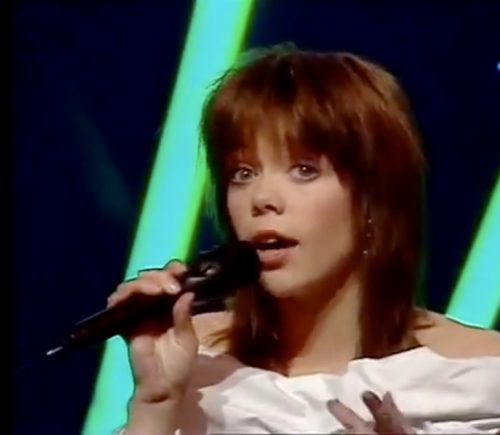
Tanszschein, by Cosmó
At first listen, Tanzschein feels like a classic club anthem.
There’s excitement at the entrance, neon lights glowing in the dark, and the promise of a long night on the dance floor. Yet beneath the upbeat atmosphere lies a sharp and carefully constructed social commentary.
The nightclub in Tanzschein is not just a setting — it is a metaphor for society itself.
Inside this symbolic space, people are portrayed as creatures driven by instinct rather than awareness. The lyrics describe exaggerated displays of dominance, territorial behavior, and social performance. By comparing partygoers to animals, the song humorously exposes patterns that feel uncomfortably familiar in real-life nightlife culture. The dance floor becomes less about music and more about hierarchy, ego, and image.
At the center of the narrative is the idea of a so-called “dance license.” While it sounds like a playful requirement at the club door, it represents something much deeper. In Tanzschein, the dance license symbolizes emotional intelligence, respect for others, and the ability to move through shared spaces with confidence and empathy. Those who possess it are welcomed inside. Those who do not remain outside, trapped in behavior that is impulsive and performative.
What makes the song particularly compelling is its balance between satire and sincerity.
On one hand, it critiques toxic masculinity and aggressive posturing often associated with nightlife environments. On the other, it offers a moment of vulnerability. A hesitant character who dreams of dancing but fears judgment is encouraged to step forward. In that shift, the tone softens. The club is no longer a battleground of egos but a place where authenticity becomes possible.
This duality gives Tanzschein its depth. It is both playful and pointed, humorous yet reflective. The exaggerated imagery allows listeners to laugh, but it also invites them to reconsider their own behavior. The “dance license” ultimately becomes a metaphor for growth — a reminder that belonging is earned not through dominance, but through awareness and connection.
By framing nightlife as a microcosm of society, Tanzschein transforms a party setting into social commentary.
It suggests that learning how to truly “dance” together requires more than rhythm. It requires respect, empathy, and the willingness to evolve beyond instinct.