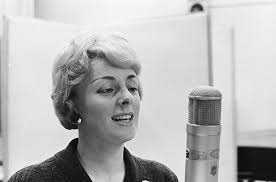
đŸ‡łđŸ‡± Blast from the past: The Netherlands 1963

đŸ“· Wikimedia Commons

We know a lot about Eurovision and we want to share this knowledge with you! Therefore we’d like to bring you a blast from the past. Today, we go back to 1963, when Annie Palmen represented The Netherlands with her song “Een speeldoos”.

The Netherlands in the Eurovision Song Contest

The Netherlands at the Eurovision Song Contest boasts five wins: Corry Brokken (“Net Als Toen”, 1957), Teddy Scholten (“Een Beetje”, 1959), Lenny Kuhr (“De Troubadour”, 1969), Teach-In (“Ding-A-Dong”, 1975) and Duncan Laurence (“Arcade”, 2019). Recent Dutch Eurovision entries show range: in 2022 S10’s “De Diepte” finished 11th; in 2023 Mia Nicolai & Dion Cooper’s “Burning Daylight” did not qualify; in 2024 Joost Klein’s “Europapa” was disqualified before the Grand Final. At Basel 2025 Claude’s “C’est La Vie” reached the final, placing 12th with 175 points. From classic chanson to modern pop, the Netherlands remains a consistent Eurovision contender today.
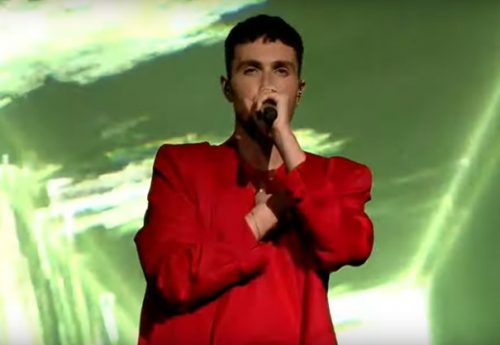
Cancelled Nationaal Songfestival 1963

As always, Het Nationaal Songfestival was the national final for the Eurovision Song Contest. For the first time, one artist was supposed to sing all the songs, three in total. Annie Palmen was chosen to do the job. The contest should have been held on 23 January in Tivoli, Utrecht. The songs chosen were:

  1. “Een droombeeld” (previously entitled “Geen ander”)
  2. “Hoor je mij”
  3. “Kijk daar is de zon”

Due to a strike, a dispute between Dutch broadcaster NTS and the tv orchestras, the contest had to be postponed until 11 February. The strike was still not over in February. The contest was thus cancelled. A comittee chose “Een droombeeld”. The title later changed into “Een Speeldoos”. On 8 February 1963, the song was presented in the Rudi Carell show.

Annie Palmen

Annie Palmen (born Anna Maria Palmen, 19 August 1926, IJmuiden; died 15 January 2000, Beverwijk) was a Dutch singer. She began as a teenager with dance orchestras around Haarlem and soon became a regular voice on Dutch radio. In 1958 she scored her first hit, “Ik zal je nooit meer vergeten,” which brought her national attention. 

She first entered the Nationaal Songfestival in 1960 with “Wat een geluk,” but the ticket went to Rudi Carrell. In 1963 broadcaster NTS selected Palmen as the artist and planned a televised final with three songs. A musicians’ strike led to the cancellation, and the chosen title “Geen ander” was rewritten and retitled “Een speeldoos.” In London on 23 March 1963 she performed “Een speeldoos,” written by Pieter Goemans, and finished joint last with zero points, tied with Finland, Norway and Sweden that night. 

After Eurovision she changed direction. In 1967 Palmen took the role of Drika with the KRO house orchestra De Boertjes van Buuten on the monthly TV programme Mik. She was invited by entertainer Kees Schilperoort to replace singer Annie de Reuver. Annie accepted the part with some hesitation. The character and the songs proved popular, and a related album reached gold status in 1969. When Mik ended in 1972, Palmen largely withdrew from show business. She died in 2000 after a long illness. Her career links post‑war light music on radio, the early years of the Eurovision Song Contest, and the rise of Dutch television entertainment and comedy on television.

Een straat voor Annie Palmen

On Facebook, the action ‘Een straat voor Annie Palmen’ by Rob Keesen rallied Beverwijk residents to honour the singer with a street name. The municipality embraced the idea, and around 2016 approved Annie Palmenlaan in Beverwijk, North Holland. Supporters and family marked the naming locally, turning an online campaign into a lasting tribute

Een Speeldoos

“Een Speeldoos” represented the Netherlands at the 1963 Eurovision Song Contest in London, performed by Annie Palmen. Written by lyricist Pieter Goemans with music by Dick Schallies, it reworked the earlier selection title “Geen ander” into a fairytale about a shepherd and shepherdess on a music box. The arrangement and melody sit in a gentle, chanson‑styled ballad tradition, with tinkling, music‑box imagery at its heart. On the night in London, the entry failed to score and finished last with nul points, joining three other countries on zero. The song remains a curious, delicate snapshot of early‑sixties Dutch pop at Eurovision.

Related news

Eurovision 2026

Vienna 12 points: from a princess to a winner

Several countries start their second rehearsals. As we still don’t have access to the rehearsals, we will do something else. Per entry, we highlight one subject and give you some more information. That can be something about the artist, the song, the lyrics or even something completely different.  Moldova – Satoshi, “Viva Moldova!” Running order: 1 | Rehearsal: 10:30–10:55 CEST “Viva Moldova,” sing the Moldovans this year, and they do so in Romanian. That language choice carries more history than many Eurovision viewers may realise. Romanian was long officially referred to as Moldovan in Moldova, a name rooted mainly in Soviet and post-Soviet politics rather than linguistic difference. In practice, Moldovan and Romanian are the same language, with regional accents and vocabulary, as Dutch in the Netherlands and Flanders can differ without becoming separate languages. In 2013, Moldova’s Constitutional Court ruled that the Declaration of Independence, which names Romanian, prevails. Since 2023, the constitution also refers to Romanian. At Eurovision, “Viva Moldova” therefore is not only a patriotic slogan from Chișinău, but also a clear political and linguistic statement today.Oddly enough, Satoshi uses a Japanese name. He explains why in an interview with us. Another interview with Satoshi came after the rehearsals:  Sweden – FELICIA, “My System” Running order: 2 | Rehearsal: 11:05–11:30 CEST Fröken Snusk was one of Sweden’s most talked-about pop phenomena: a pink-balaclava-wearing persona built on anonymity, provocative lyrics and the booming EPA-dunk sound. The act broke through online and became known far beyond its party-music niche, helped by Melodifestivalen 2024 and a strong visual identity that made the mask as recognisable as the songs. Behind the original Fröken Snusk was Felicia Eriksson, who later left the project and moved forward under her own name. That background gives today’s Eurovision rehearsal extra context. Still wearing a mask, Felicia is no longer hiding inside the Fröken Snusk character, but the confidence, controversy and curiosity around that chapter still follow her onto the Vienna stage.  Croatia – LELEK, “Andromeda” Running order: 3 | Rehearsal: 11:40–12:05 CEST Andromeda is a figure from Greek mythology: a princess, not a goddess, and the daughter of King Cepheus and Queen Cassiopeia. After her mother angered the sea nymphs by boasting of Andromeda’s beauty, Poseidon sent a monster to ravage the kingdom. To save her people, Andromeda was chained to a rock as a sacrifice, until Perseus rescued her. In Lelek’s song, that story becomes more than a myth. Andromeda can be read as a symbol of women treated as bodies, victims or bargaining chips by forces bigger than themselves. The title also carries a cosmic meaning: Andromeda is a constellation and gives its name to the Andromeda Galaxy. That link to the stars fits the song’s imagery of escape, distance and survival. For contemporary listeners, her ancient story adds emotional weight. Lelek’s Andromeda is therefore both a mythological princess and a powerful metaphor for pain, resistance and hard-won freedom.  Greece – Akylas, “Ferto” Running order: 4 | Rehearsal: 12:20–12:45 CEST Akylas has become an important figure for Greece’s LGBTQ+ community because his visibility is not presented as a side note, but as part of his artistic identity. Long before Eurovision, his music and stage presence were linked to queer self-expression, emotional honesty and performances at events such as Athens Pride. That background gives his Eurovision journey a broader meaning. In a country where queer voices have often had to fight for space in mainstream culture, Akylas represents a new kind of openness. He has also spoken about homophobic bullying and the support he received after winning the Greek selection, turning his own experiences into a message for younger LGBTQ+ people. For many Greek fans, his participation is therefore not only about a song. It is also about recognition: seeing someone openly queer carry Greek pop culture onto one of Europe’s biggest stages with confidence, vulnerability and a distinctly Greek sound.  Portugal – Bandidos do Cante, “Rosa” Running order: 5 | Rehearsal: 12:55–13:20 CEST Cante Alentejano is the traditional polyphonic singing of the Alentejo, the vast southern Portuguese region between the Tagus and the Algarve. It is usually performed by groups of amateur singers, without instruments. It’s in a slow, collective style built around two vocal lines and distinctive melodies. UNESCO added it to the Representative List of the Intangible Cultural Heritage of Humanity in 2014. In Portugal’s 2026 Eurovision entry, Bandidos do Cante bring that tradition into a pop setting. “Rosa” does not simply borrow a regional sound; it places the warmth of group singing at the centre of the song. That gives the entry a clear Portuguese identity. The voices suggest landscape, memory and togetherness, while the modern arrangement makes the old tradition accessible to a Eurovision audience that may be hearing Cante Alentejano for the first time, without losing its roots. You can read more about the meaningful lyrics here.  Georgia – Bzikebi, “On Replay” Running order: 6 | Rehearsal: 13:30–13:55 CEST Junior Eurovision has often been a first step towards bigger stages, but only four winners have later returned as Eurovision contestants. The Tolmachevy Sisters opened that path: after winning Junior Eurovision 2006 for Russia with “Vesenniy Jazz”, they represented Russia in 2014 with “Shine”, finishing seventh. Destiny followed Malta’s 2015 Junior victory with “Not My Soul” by taking “Je Me Casse” to Eurovision 2021, also ending seventh. Georgia’s Iru, winner as part of Candy in 2011, returned solo in 2023 with “Echo”. This year, Georgia completes the circle again with Bzikebi, the buzzing trio who won Junior Eurovision 2008 with “Bzz..” and now step onto the adult contest stage with “On Replay”. Their return adds a nostalgic layer to 2026. Still, one milestone remains untouched: no artist or group has ever won both Junior Eurovision and the Eurovision Song Contest. That unresolved challenge keeps the crossover story fascinating.

Read More »
Eurovision 2026
Martijn

Vienna 12 points: from a princess to a winner

Several countries start their second rehearsals. As we still don’t have access to the rehearsals, we will do something else. Per entry, we highlight one subject and give you some more information. That can be something about the artist, the song, the lyrics or even something completely different.  Moldova – Satoshi, “Viva Moldova!” Running order: 1 | Rehearsal: 10:30–10:55 CEST “Viva Moldova,” sing the Moldovans this year, and they do so in Romanian. That language choice carries more history than many Eurovision viewers may realise. Romanian was long officially referred to as Moldovan in Moldova, a name rooted mainly in Soviet and post-Soviet politics rather than linguistic difference. In practice, Moldovan and Romanian are the same language, with regional accents and vocabulary, as Dutch in the Netherlands and Flanders can differ without becoming separate languages. In 2013, Moldova’s Constitutional Court ruled that the Declaration of Independence, which names Romanian, prevails. Since 2023, the constitution also refers to Romanian. At Eurovision, “Viva Moldova” therefore is not only a patriotic slogan from Chișinău, but also a clear political and linguistic statement today.Oddly enough, Satoshi uses a Japanese name. He explains why in an interview with us. Another interview with Satoshi came after the rehearsals:  Sweden – FELICIA, “My System” Running order: 2 | Rehearsal: 11:05–11:30 CEST Fröken Snusk was one of Sweden’s most talked-about pop phenomena: a pink-balaclava-wearing persona built on anonymity, provocative lyrics and the booming EPA-dunk sound. The act broke through online and became known far beyond its party-music niche, helped by Melodifestivalen 2024 and a strong visual identity that made the mask as recognisable as the songs. Behind the original Fröken Snusk was Felicia Eriksson, who later left the project and moved forward under her own name. That background gives today’s Eurovision rehearsal extra context. Still wearing a mask, Felicia is no longer hiding inside the Fröken Snusk character, but the confidence, controversy and curiosity around that chapter still follow her onto the Vienna stage.  Croatia – LELEK, “Andromeda” Running order: 3 | Rehearsal: 11:40–12:05 CEST Andromeda is a figure from Greek mythology: a princess, not a goddess, and the daughter of King Cepheus and Queen Cassiopeia. After her mother angered the sea nymphs by boasting of Andromeda’s beauty, Poseidon sent a monster to ravage the kingdom. To save her people, Andromeda was chained to a rock as a sacrifice, until Perseus rescued her. In Lelek’s song, that story becomes more than a myth. Andromeda can be read as a symbol of women treated as bodies, victims or bargaining chips by forces bigger than themselves. The title also carries a cosmic meaning: Andromeda is a constellation and gives its name to the Andromeda Galaxy. That link to the stars fits the song’s imagery of escape, distance and survival. For contemporary listeners, her ancient story adds emotional weight. Lelek’s Andromeda is therefore both a mythological princess and a powerful metaphor for pain, resistance and hard-won freedom.  Greece – Akylas, “Ferto” Running order: 4 | Rehearsal: 12:20–12:45 CEST Akylas has become an important figure for Greece’s LGBTQ+ community because his visibility is not presented as a side note, but as part of his artistic identity. Long before Eurovision, his music and stage presence were linked to queer self-expression, emotional honesty and performances at events such as Athens Pride. That background gives his Eurovision journey a broader meaning. In a country where queer voices have often had to fight for space in mainstream culture, Akylas represents a new kind of openness. He has also spoken about homophobic bullying and the support he received after winning the Greek selection, turning his own experiences into a message for younger LGBTQ+ people. For many Greek fans, his participation is therefore not only about a song. It is also about recognition: seeing someone openly queer carry Greek pop culture onto one of Europe’s biggest stages with confidence, vulnerability and a distinctly Greek sound.  Portugal – Bandidos do Cante, “Rosa” Running order: 5 | Rehearsal: 12:55–13:20 CEST Cante Alentejano is the traditional polyphonic singing of the Alentejo, the vast southern Portuguese region between the Tagus and the Algarve. It is usually performed by groups of amateur singers, without instruments. It’s in a slow, collective style built around two vocal lines and distinctive melodies. UNESCO added it to the Representative List of the Intangible Cultural Heritage of Humanity in 2014. In Portugal’s 2026 Eurovision entry, Bandidos do Cante bring that tradition into a pop setting. “Rosa” does not simply borrow a regional sound; it places the warmth of group singing at the centre of the song. That gives the entry a clear Portuguese identity. The voices suggest landscape, memory and togetherness, while the modern arrangement makes the old tradition accessible to a Eurovision audience that may be hearing Cante Alentejano for the first time, without losing its roots. You can read more about the meaningful lyrics here.  Georgia – Bzikebi, “On Replay” Running order: 6 | Rehearsal: 13:30–13:55 CEST Junior Eurovision has often been a first step towards bigger stages, but only four winners have later returned as Eurovision contestants. The Tolmachevy Sisters opened that path: after winning Junior Eurovision 2006 for Russia with “Vesenniy Jazz”, they represented Russia in 2014 with “Shine”, finishing seventh. Destiny followed Malta’s 2015 Junior victory with “Not My Soul” by taking “Je Me Casse” to Eurovision 2021, also ending seventh. Georgia’s Iru, winner as part of Candy in 2011, returned solo in 2023 with “Echo”. This year, Georgia completes the circle again with Bzikebi, the buzzing trio who won Junior Eurovision 2008 with “Bzz..” and now step onto the adult contest stage with “On Replay”. Their return adds a nostalgic layer to 2026. Still, one milestone remains untouched: no artist or group has ever won both Junior Eurovision and the Eurovision Song Contest. That unresolved challenge keeps the crossover story fascinating.

Read More »
Follow Us: