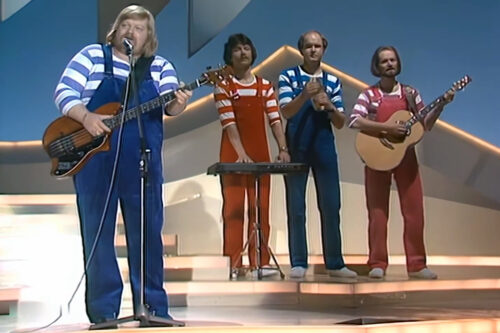
Blast from the past: Denmark 1980

We know a lot about Eurovision and we want to share this knowledge with you! Therefore we’d like to bring you a blast from the past. Today, we go back to 1980, when Bamses Venner represented Denmark with their song “Tænker altid på dig”.

Denmark in the Eurovision Song Contest

Denmark debuted at Eurovision in 1957 and has won three times: in 1963 with Grethe and Jørgen Ingmann’s “Dansevise”, in 2000 with the Olsen Brothers’ “Fly on the Wings of Love”, and in 2013 with Emmelie de Forest’s “Only Teardrops”. After mixed fortunes in recent years, Reiley failed to qualify in 2023 with “Breaking My Heart”. In 2024, SABA’s “Sand” also missed the final. In 2025, DR sent Faroese singer Sissal with “Hallucination”, ending Denmark’s non-qualification streak by reaching the final and finishing 23rd. Denmark selects via Dansk Melodi Grand Prix, a cherished fixture of the country’s popular music calendar.

Dansk Melodi Grand Prix 1980

Melodi grand prix is the annual national final for the Eurovision Song Contest, already since the beginning. In those years, Jørgen de Mylius hosted the show. 1980 was no exception for that. On 29 March, the contest was held in the Falkonér Theatre in Copenhagen. 12 songs competed:

  1. Bamses Venner, “Tænker alltid på dig“, 39 pts
  2. Birthe Kjær & Hennig Villen, “Du og jeg“, 77 pts
  3. Grethe Ingmann, “Hej, hej, det swinger“, 69 pts
  4. Hans Mosters Vovse, “Swingtime igen“, 65 pts
  5. The Lollipops, “Nu er det morgen“, 61 pts
  6. The Olsen Brothers, “Laila“, 61 pts
  7. Lecia & Lucienne, Bye-bye“, 59 pts
  8. Tommy P., “Syng en sang om evig fred“, 57 pts
  9. The McKinleys, “Robin Hood“, 47 pts
  10. Daimi, “Fri mig“, 43 pts
  11. Susanne Breuning, “Mozart Jensen“, 39 pts
  12. Vivian Johansen, “Jeg er fængslet af dig“, 39 pts

Note that former winner Grethe Ingmann took part, but later winner The Olsen Brothers as well. Also Birthe Kjær, who represented Denmark in 1989, was among the participants. Vivian Johansen never reached the Eurovision stage, but her daughter Gry did, in 1983.

Bamses Venner

Bamses Venner formed in Aarhus in 1973, led by singer-bassist Flemming “Bamse” Jørgensen. The group built an audience with Danish-language pop-rock. Early favourites included “Vimmersvej” in 1975 and “I en lille båd der gynger” in 1978, songs heard on national radio and TV. By the late 1970s they were a fixture.

In 1980 the band won Dansk Melodi Grand Prix with “Tænker altid på dig.” At the Eurovision Song Contest in The Hague they finished 14th with 25 points. The 1980 lineup included Mogens Balle, Bjarne Green and Arne Østergaard in the band. The entry, music by Bjarne Gren‑Jensen and lyrics by Jørgensen, reflected their style.

Flemming “Bamse” Jørgensen
Born in Randers in 1947, Jørgensen fronted the band throughout its career while releasing solo albums alongside it. He also acted and received the Robert Award for Best Supporting Actor in 1986. His warm baritone made him a familiar figure. He released the album Tæt på in 2010. Jørgensen died of cardiac arrest on 1 January 2011 at his home in Egå, aged 63. 

After his death, the band ended after memorial concerts. The songs remain part of Danish repertoire, and the 1980 Eurovision entry is still associated with the band’s story. Streets and events have commemorated Jørgensen; in 2018 a road in Thisted was renamed “Vimmersvej.” 

Tænker Altid På Dig

“Tænker altid på dig” represented Denmark at Eurovision 1980 in The Hague, performed by Bamses Venner. The song placed 14th, earning 25 points. Musically it’s a mellow, guitar‑led pop song with soft‑rock colour, carried by Flemming “Bamse” Jørgensen’s warm baritone and an easy, singable chorus. Staging was understated: the four‑piece appeared as a live band on a clean stage with minimal movement, focusing on vocals and tight ensemble playing; camera work stayed close, and warm lighting reinforced the relaxed mood. Written by Jørgensen (lyrics) and Bjarne Gren‑Jensen (music), it remains a distinctive snapshot of Denmark’s late‑1970s to early‑1980s national pop.


Related news

Eurovision 2026

Road to Vienna: San Marino

Road to Vienna: San Marino As the Eurovision Song Contest 2026 in Vienna approaches, we continue our daily spotlight on this year’s contestants. Today, we focus on San Marino. Senhit: From Musical Theatre to Eurovision Senhit, born in Bologna to Eritrean parents, began her career in musical theatre. In the late 1990s and early 2000s, she toured across Europe, starring in major productions like Fame, The Lion King, and Hair. These roles helped shape her stage presence and artistic foundation. Transition to Music and Early Albums After returning to Italy, Senhit launched her music career with her debut album Senit (2006), followed by Un tesoro è necessariamente nascosto (2007). In 2009, she released So High, an English-language album that highlighted her versatility in pop music. Eurovision Debut and Career Growth Senhit represented San Marino at Eurovision 2011 with “Stand By.” Although she didn’t reach the final, it boosted her international visibility. She continued releasing singles, rebranded from “Senit” to “Senhit” in 2014, and built a strong presence in the European club scene, leading to her EP Hey Buddy (2017). Eurovision Comeback and “Adrenalina” Success Selected again for Eurovision 2020, her entry was canceled due to the pandemic. She returned in 2021 with “Adrenalina” featuring Flo Rida, reaching the final and gaining major streaming success, becoming a fan favorite across Europe. Recent Music and Projects In recent years, Senhit has stayed active with new releases, live performances, and hosting San Marino’s national selection show. Her 2024 album Dangerous includes collaborations with top international producers and artists. Eurovision 2026 Return In 2026, Senhit won San Marino’s national selection with “Superstar,” featuring Boy George. This marks her third Eurovision appearance, reinforcing her status as a dynamic and enduring figure in the pop music scene. Boy George: An 80s Icon Boy George, born George Alan O’Dowd in London, grew up in a working-class Irish family. Inspired by glam rock legend David Bowie, he developed a passion for music early on. His bold, androgynous style and love for performance quickly made him stand out in London’s vibrant club scene. Culture Club and Global Fame In 1981, Boy George formed Culture Club, achieving worldwide success with hits like “Do You Really Want to Hurt Me” and “Karma Chameleon.” By the mid-1980s, the band became one of the biggest pop acts globally, winning a Grammy Award and multiple Brit Awards. His unique voice and image made him a defining figure of 80s pop culture. Challenges and Solo Career Facing personal struggles and addiction, Culture Club disbanded in 1986. Boy George later rebuilt his career with solo hits like “Everything I Own” and “The Crying Game.” He also explored DJing and dance music while becoming an influential LGBTQ+ icon. Reinvention and Creative Projects From the late 1990s onward, Boy George reunited with Culture Club and expanded into new ventures. He created the musical Taboo and remained active in music, television, and writing. Despite legal setbacks, he achieved sobriety and continued evolving as an artist. Legacy and Continued Success In the 2010s, Boy George appeared on shows like The Voice UK and toured globally. With over 50 million records sold, he is widely recognized as a trailblazer in music, fashion, and LGBTQ+ representation. Eurovision 2026 Debut In 2026, Boy George joins Senhit to represent San Marino at the Eurovision Song Contest 2026 with their song “Superstar.” This marks his long-awaited Eurovision debut, adding a new chapter to his legendary career. Superstar: Confidence and Self-Expression Set in a vibrant nightlife atmosphere, “Superstar” explores a world where appearances matter. People try to impress, creating a sense of pressure and expectation. In contrast, one person stands out—not for confidence, but for insecurity and self-doubt. From Insecurity to Empowerment As the song develops, it shifts into a powerful message of growth. The lyrics encourage stepping out of the shadows and embracing who you are. What starts as uncertainty transforms into confidence and self-belief. Strength Through Struggles References to heartbreak and emotional scars add depth to the story. The song highlights that true confidence doesn’t come from perfection, but from overcoming challenges and learning from past experiences. Embracing Individuality The second verse celebrates uniqueness, describing the individual as strong and valuable. Differences are not flaws—they are strengths. The journey through hardship becomes a source of inner power. Be Your Own Superstar At its heart, “Superstar” is about authenticity. It reminds listeners that being a “superstar” isn’t about fame, but about self-acceptance. By embracing imperfections and showing your true self, you turn vulnerability into confidence. San Marino in the Eurovision Song Contest San Marino has participated in the Eurovision Song Contest since 2008. Despite being one of the smallest countries in the competition, it has made notable contributions, with its best result in 2019 when Serhat‘s “Say Na Na Na” finished 19th in the Grand Final. But when we talk about San Marino, we must not forget Valentina Monetta. She participated for her country on no less than four occasions. She was, in 2014, the first one to bring San Marino to the final. The Bookmakers Ranked 27th with the bookmakers, San Marino faces an uphill battle — will they defy the odds and make it to the final?    

Read More »
Eurovision 2026
Anja Kroeze

Road to Vienna: San Marino

Road to Vienna: San Marino As the Eurovision Song Contest 2026 in Vienna approaches, we continue our daily spotlight on this year’s contestants. Today, we focus on San Marino. Senhit: From Musical Theatre to Eurovision Senhit, born in Bologna to Eritrean parents, began her career in musical theatre. In the late 1990s and early 2000s, she toured across Europe, starring in major productions like Fame, The Lion King, and Hair. These roles helped shape her stage presence and artistic foundation. Transition to Music and Early Albums After returning to Italy, Senhit launched her music career with her debut album Senit (2006), followed by Un tesoro è necessariamente nascosto (2007). In 2009, she released So High, an English-language album that highlighted her versatility in pop music. Eurovision Debut and Career Growth Senhit represented San Marino at Eurovision 2011 with “Stand By.” Although she didn’t reach the final, it boosted her international visibility. She continued releasing singles, rebranded from “Senit” to “Senhit” in 2014, and built a strong presence in the European club scene, leading to her EP Hey Buddy (2017). Eurovision Comeback and “Adrenalina” Success Selected again for Eurovision 2020, her entry was canceled due to the pandemic. She returned in 2021 with “Adrenalina” featuring Flo Rida, reaching the final and gaining major streaming success, becoming a fan favorite across Europe. Recent Music and Projects In recent years, Senhit has stayed active with new releases, live performances, and hosting San Marino’s national selection show. Her 2024 album Dangerous includes collaborations with top international producers and artists. Eurovision 2026 Return In 2026, Senhit won San Marino’s national selection with “Superstar,” featuring Boy George. This marks her third Eurovision appearance, reinforcing her status as a dynamic and enduring figure in the pop music scene. Boy George: An 80s Icon Boy George, born George Alan O’Dowd in London, grew up in a working-class Irish family. Inspired by glam rock legend David Bowie, he developed a passion for music early on. His bold, androgynous style and love for performance quickly made him stand out in London’s vibrant club scene. Culture Club and Global Fame In 1981, Boy George formed Culture Club, achieving worldwide success with hits like “Do You Really Want to Hurt Me” and “Karma Chameleon.” By the mid-1980s, the band became one of the biggest pop acts globally, winning a Grammy Award and multiple Brit Awards. His unique voice and image made him a defining figure of 80s pop culture. Challenges and Solo Career Facing personal struggles and addiction, Culture Club disbanded in 1986. Boy George later rebuilt his career with solo hits like “Everything I Own” and “The Crying Game.” He also explored DJing and dance music while becoming an influential LGBTQ+ icon. Reinvention and Creative Projects From the late 1990s onward, Boy George reunited with Culture Club and expanded into new ventures. He created the musical Taboo and remained active in music, television, and writing. Despite legal setbacks, he achieved sobriety and continued evolving as an artist. Legacy and Continued Success In the 2010s, Boy George appeared on shows like The Voice UK and toured globally. With over 50 million records sold, he is widely recognized as a trailblazer in music, fashion, and LGBTQ+ representation. Eurovision 2026 Debut In 2026, Boy George joins Senhit to represent San Marino at the Eurovision Song Contest 2026 with their song “Superstar.” This marks his long-awaited Eurovision debut, adding a new chapter to his legendary career. Superstar: Confidence and Self-Expression Set in a vibrant nightlife atmosphere, “Superstar” explores a world where appearances matter. People try to impress, creating a sense of pressure and expectation. In contrast, one person stands out—not for confidence, but for insecurity and self-doubt. From Insecurity to Empowerment As the song develops, it shifts into a powerful message of growth. The lyrics encourage stepping out of the shadows and embracing who you are. What starts as uncertainty transforms into confidence and self-belief. Strength Through Struggles References to heartbreak and emotional scars add depth to the story. The song highlights that true confidence doesn’t come from perfection, but from overcoming challenges and learning from past experiences. Embracing Individuality The second verse celebrates uniqueness, describing the individual as strong and valuable. Differences are not flaws—they are strengths. The journey through hardship becomes a source of inner power. Be Your Own Superstar At its heart, “Superstar” is about authenticity. It reminds listeners that being a “superstar” isn’t about fame, but about self-acceptance. By embracing imperfections and showing your true self, you turn vulnerability into confidence. San Marino in the Eurovision Song Contest San Marino has participated in the Eurovision Song Contest since 2008. Despite being one of the smallest countries in the competition, it has made notable contributions, with its best result in 2019 when Serhat‘s “Say Na Na Na” finished 19th in the Grand Final. But when we talk about San Marino, we must not forget Valentina Monetta. She participated for her country on no less than four occasions. She was, in 2014, the first one to bring San Marino to the final. The Bookmakers Ranked 27th with the bookmakers, San Marino faces an uphill battle — will they defy the odds and make it to the final?    

Read More »
Follow Us: