Weekly Update

It’s Tuesday, March 24, 2026, which means it’s time for another weekly Eurovision update! This past week was packed with news from Vienna. ORF revealed the opening and interval acts. The official mascot Auri was introduced to the world. Romanian broadcaster TVR defended its entry “Choke Me” in response to international criticism. Pre-party season also kicked off in earnest, with the Nordic Eurovision Party taking place last Saturday in Oslo. Here are this week’s top stories.


2026
🇷🇴 Romania: TVR Responds to “Choke Me” Controversy

Romanian broadcaster TVR has defended Alexandra Căpitănescu’s Eurovision entry “Choke Me” in a statement to German news agency DPA. TVR stated that the title is intended as a metaphor, and that the broadcaster is committed to artistic freedom, EBU values and the spirit of the Eurovision Song Contest.
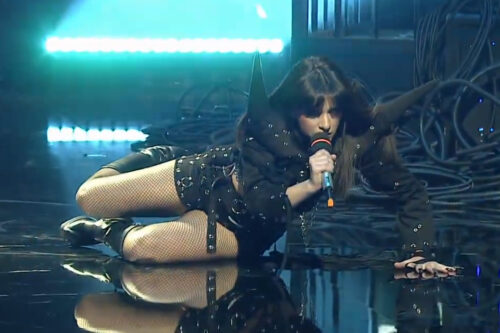
TVR added that the artistic concept of the stage show is designed specifically to highlight the metaphorical nature of the message and to rule out any literal interpretation of the lyrics. The controversy attracted attention from the United Kingdom in particular, where legislation on certain categories of content is currently under discussion. Alexandra Căpitănescu has stated that the lyrics should not be interpreted literally, arguing that art should not be subject to censorship as long as no one is harmed. TVR confirmed the meaning of the song will be explained publicly by the artist during the staging of the performance in Vienna. source: TVRinfo


Opening and Interval Acts Revealed for Vienna 2026

Austrian broadcaster ORF has unveiled the opening and interval acts for all three live shows.

The first Semi-Final on May 12 kicks off with “70 Years of Love”, a film following a love story set against the history of the Eurovision Song Contest. A choir of 70 singers then takes the stage to pay tribute to “L’amour Est Bleu”, the song that competed at Eurovision 1967 when Vienna last hosted the contest. The interval act, titled “Kangaroo”, plays on the long-running mix-up between Austria and Australia. Hosts Victoria Swarovski and Michael Ostrowski perform the act together with Go-Jo, who flew the flag for Australia at Eurovision 2025.

The second Semi-Final on May 14 opens with the hosts performing last year’s winning song “Wasted Love” — though not everything goes to plan. JJ then steps onto the stage during the interval act to debut a brand-new song.

JJ

The Grand Final opens with JJ performing “The Queen of the Night”, blending Mozart with his own music. More than 40 dancers and performers will accompany him, while the 25 finalists enter the Wiener Stadthalle. During the voting period, three interval acts will take place. “Celebration!” will feature Eurovision Allstars Verka Serduchka, Erika Vikman, Lordi and Il Volo performing songs from the contest’s history. Parov Stelar will follow with his electro-swing sound. Finally, César Sampson will perform a version of Billy Joel’s “Vienna” before the results are announced. source: eurovision.com


Meet Auri: The Official Mascot of Vienna 2026

Auri (he/him) has been unveiled by broadcaster ORF as the official mascot of the 70th Eurovision Song Contest. Auri is a symbol of unity, creativity and the power of shared experiences. As a Vienna 2026 ambassador, he will be welcoming delegations and fans from around the world, conveying openness, respect and the joy of togetherness. 
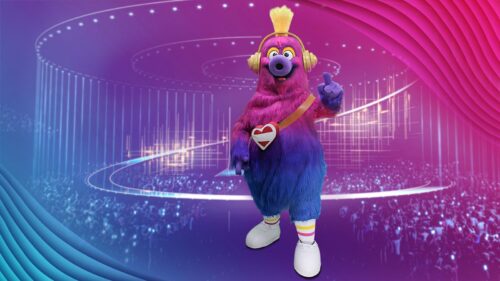
📷 EBU/ORF

A special children’s book, “Auri – The Show of His Life”, has been published and will be available across Austria from March 20. The book is aimed at children aged 7 to 12 and tells the story of Auri’s journey to the Eurovision stage. It was written by ORF presenter Yvonne Lacina-Blaha and illustrated by Styrian artist Herwig Holzmann. ESCToday.com Auri replaces Lumo, the mascot of Eurovision 2025 in Basel, exactly one year after Lumo was introduced. Exclusively for Eurovision 2026, Auri has also been released as a 3D figure in a limited-edition Viennese snow globe, produced in cooperation with the Original Viennese Snow Globe Manufactory. Only 1,000 handcrafted and individually numbered pieces are available. ESCToday.com source: eurovision.com


Pre-Party Season
Nordic Eurovision Party 2026 (Oslo) – Overview

The third Nordic Eurovision Party took place last Saturday at Rockefeller Music Hall in Oslo. An array of Eurovision 2026 participants performed alongside artists from Melodi Grand Prix, Sami Grand Prix and the Eurovision Song Contest. eurovoix

The 2026 acts performing on the night included:

Albania – Alis

Australia – Delta Goodrem 

Austria – Cosmó

Bulgaria – DARA

Cyprus – Antigoni

Germany – Sarah Engels

Greece – Akilas

Latvia – Atvara

Lithuania – Lion Ceccah

Luxembourg – Eva Marija

Malta – AIDAN

Moldova – Satoshi

Montenegro – Tamara Živković

Norway – Jonas Lovv

Romania – Alexandra Căpitănescu

Switzerland – Veronica Fusaro

The event also featured Eurovision alumni including Poli Genova, Elisabeth Andreassen of Bobbysocks, Sunstroke Project, and Jørgen Olsen of Olsen Brothers fame. © video’s Wiwibloggs


London Eurovision Party 2026 – Line-Up So Far

The London Eurovision Party returns for its 17th edition at Here at Outernet. Doors open at 6pm, and performances run until 11:40pm. There is an after party following until 1:30am.

A large group of 2026 acts will take the stage on the night. The confirmed performers so far include Finland’s Linda Lampenius & Pete Parkkonen, Denmark’s Søren Torpegaard Lund, Ukraine’s Leléka and Lithuania’s Lion Ceccah. Also performing are Moldova’s Satoshi, Montenegro’s Tamara, Malta’s AIDAN, Bulgaria’s DARA and Luxembourg’s Eva Marija. The line-up continues with Belgium’s Essyla, Latvia’s Atvara, Austria’s Cosmó, Switzerland’s Veronica Fusaro and Croatia’s Lelek. Norway’s Jonas Lovv, Romania’s Alexandra Căpitănescu, Greece’s Akylas, Germany’s Sarah Engels, San Marino’s Senhit and Sweden’s Felicia round out the current list of 2026 acts.

The evening also features some well-known Eurovision guests. Aliona Moon, who represented Moldova in 2013 joins the bill. Sissal, Tia Kofi and César Sampson host the evening together. More acts are still to come. source: London Eurovision Party


Eurovision in Concert 2026 – Line-Up So Far

Eurovision in Concert 2026 will take place on April 11 at AFAS Live in Amsterdam. The confirmed acts so far include Finland, Denmark, Ukraine, Albania, Moldova, Luxembourg, Belgium, Montenegro, Croatia, Georgia, Lithuania, Norway, Austria, Sweden, France, Germany, Italy, San Marino, Romania, Czechia, Azerbaijan, Latvia, Australia and Poland. Guest performer Delta Goodrem from Australia has also been confirmed for the event. More names are expected to be added in the coming weeks. source: Eurovision in Concert
 

Find Everything About Eurovision 2026 on Eurovision Universe

Good news for those who love to dig deeper into Eurovision songs. Eurovision Universe has now completed the Behind the Lyrics section for Eurovision 2026. Every single entry competing in Vienna gets its own dedicated page, where we explore the meaning, background and story behind each song.

Whether you are curious about a metaphor hidden in a lyric, want to understand a song written in a language you do not speak, or simply want to know what an artist was thinking when they wrote their entry, Behind the Lyrics has you covered. The section covers all 35 competing songs, from the upbeat and playful to the deeply personal.
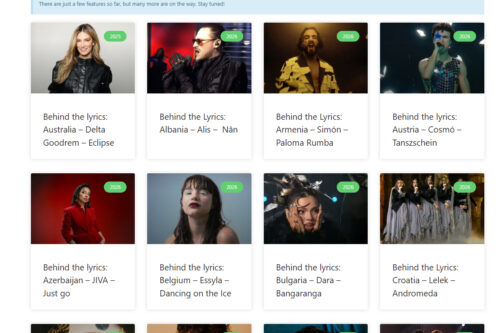
Looking for the running order? It’s on our 2026 page. Want to read up on a specific country’s entry, check the semi-final allocation, or find out who performs when? You will find it all without having to search across multiple websites.

Our team updates the page regularly as new information comes in. With the contest now less than two months away, this is the perfect time to get up to speed. Bookmark the page and return as rehearsals, postcards and show details roll in throughout April and May. Eurovision Universe serves as your one-stop destination for everything Vienna 2026.



Related news

History

70 years of Eurovision: the semifinal came

The Eurovision Song Contest is celebrating its 70th anniversary. That is a wonderful milestone. We at Eurovision Universe love diving into the history of the contest. That is why we are taking a closer look at the contests of the past 70 years. 2004 It was a nice idea to have Enrique Iglesias host the Eurovision Song Contest. It didn’t happen. Whether it was an excessive fee or protests within the broadcaster because the man wasn’t Turkish, we don’t know exactly. But in the now-demolished Abdi İpekçi Arena in Istanbul, Korhan Abay and Meltem Cumbul hosted the contest. And for the first time, there was a semi-final. Countries that had not finished in the top 10 the previous year and countries that were on the reserve bench at the time had to participate. Debuting countries Albania, Belarus, Serbia & Montenegro, and Andorra were also in it. The songs The Belarusians sent the duo Aleksandra and Konstantin with the song “My Galileo”. It was sung in English, but you had to mention that. For a few years, there was an Aleksandra and Konstantin Award for the very worst English. Jonathan Cerrada was the participant for France. By then, the Belgian was a big star in the French-speaking countries. Amidst the stilt-walking backing singers, he failed to live up to expectations. Neither did the Belgian top favorite Xandee with the disco track “1 Life.” How different it was for the Albanian Anjeza Shahini. Festivali i Këngës, a major Albanian national song contest held at the end of December, became the national selection from then on. Only the song “Dua të jem imazhi yt” had to be shortened by a minute and a half, and was therefore immediately translated into English. The Bosnian Dane also stood out with his disco beat, his bleached hair, and his pink suit. Macedonia sent its biggest star, Toše Proeski. He would die in a car accident four years later. His fame has since grown to legendary proportions. Lena Philipsson was already a big star in Sweden. Yet she never managed to win Melodifestivalen. Until 2004, that is. Greece had had an extensive national final. But while it was still underway, their biggest star, Sakis Rouvas, announced his intention to go to the Eurovision Song Contest. The entire national final was set aside, and Sakis went to Istanbul. Serbia and Montenegro were represented by Željko Joksimović, who performed a piece of his own Serbian culture with “Lane moje.” Sakis and Željko would go on to compete in the final. Ruslana But they did not fight that final battle alone. The Ukrainian Ruslana also participated. She, too, had brought her own culture with her. In the song “Wild Dances,” a Ukrainian instrument, the trembita, played the leading role. Ruslana had been internally selected to go to the Eurovision Song Contest. When she won, she was honored by President Kuchma with the highest possible distinction, People’s Artist of Ukraine. With the presidential elections of late 2004 and the subsequent Orange Revolution, she sided with presidential candidate Yushchenko. He did not win; fraud was suspected. During the revolution that followed, Ruslana went on a hunger strike for a short time. Besides being a singer, she would remain a political activist and politician. 2005 Ruslana was set to present the Eurovision Song Contest, which was held at the Palace of Sports in Kyiv. She was to do so together with Pavlo Shylko. However, Ruslana withdrew, officially because she had other commitments. But it is quite possible that her poor English also played a role. Since there was a semifinal,  Bulgaria and Moldova wanted to participate as well, Hungary returned, and even Monaco came back after 26 years. The songs The Icelandic Selma participated one more time. This time, however, she did not reach the final. Chiara from Malta also took part again. She even improved on her previous success by finishing second with her “Angel”. Constantinos from Cyprus even participated for the third time. And Helena Paparizou, who represented Greece in 2001 with the duo Antique, was also present again. Debuting Moldova sent the group Zdob și Zdub. They performed their ode to a grandmother with a real grandmother on stage, who occasionally beat a huge drum. Moldova finished an impressive sixth with it. Host country Ukraine really went all out. From no fewer than 75 songs, 15 finalists emerged. But actually, no one doubted the victory for top favorite Ani Lorak. Until the broadcaster suddenly awarded wildcards to four songs: protest songs stemming from the recently concluded revolution. With that, Ani Lorak lost her chance. Karma catches up with them: the winning group Greenjolly first had to change the lyrics of their song of praise to the president. Ultimately, the group finished 19th. The German entry was controversial. Gracia already had a major hit in her own country at the time she won the German national final. What turned out to be the case? Producer David Brandes had personally bought up many CDs to boost the sales figures. David Brandes was also the producer of the Swiss entry: the Estonian group Vanilla Ninja. But these four rock chicks, popular in German-speaking countries, experienced no hindrance from their producer. And then there was a song from Latvia, sung by the duo Walters and Kazha. They sang part of their song in sign language. Helena Paparizou Greece won for the first time. As mentioned, Helena Paparizou had participated before. The singer, who lives in Sweden, previously sang in the popular duo Antique. Now she sang solo. She was to sing four songs from which one Eurovision entry would be chosen. However, the favorite, “The Light of Our Soul”, was disqualified because it had been released too early. The song chosen from the remaining three was “My Number One”. And that did indeed become number 1.

Read More »
History
Martijn

70 years of Eurovision: the semifinal came

The Eurovision Song Contest is celebrating its 70th anniversary. That is a wonderful milestone. We at Eurovision Universe love diving into the history of the contest. That is why we are taking a closer look at the contests of the past 70 years. 2004 It was a nice idea to have Enrique Iglesias host the Eurovision Song Contest. It didn’t happen. Whether it was an excessive fee or protests within the broadcaster because the man wasn’t Turkish, we don’t know exactly. But in the now-demolished Abdi İpekçi Arena in Istanbul, Korhan Abay and Meltem Cumbul hosted the contest. And for the first time, there was a semi-final. Countries that had not finished in the top 10 the previous year and countries that were on the reserve bench at the time had to participate. Debuting countries Albania, Belarus, Serbia & Montenegro, and Andorra were also in it. The songs The Belarusians sent the duo Aleksandra and Konstantin with the song “My Galileo”. It was sung in English, but you had to mention that. For a few years, there was an Aleksandra and Konstantin Award for the very worst English. Jonathan Cerrada was the participant for France. By then, the Belgian was a big star in the French-speaking countries. Amidst the stilt-walking backing singers, he failed to live up to expectations. Neither did the Belgian top favorite Xandee with the disco track “1 Life.” How different it was for the Albanian Anjeza Shahini. Festivali i Këngës, a major Albanian national song contest held at the end of December, became the national selection from then on. Only the song “Dua të jem imazhi yt” had to be shortened by a minute and a half, and was therefore immediately translated into English. The Bosnian Dane also stood out with his disco beat, his bleached hair, and his pink suit. Macedonia sent its biggest star, Toše Proeski. He would die in a car accident four years later. His fame has since grown to legendary proportions. Lena Philipsson was already a big star in Sweden. Yet she never managed to win Melodifestivalen. Until 2004, that is. Greece had had an extensive national final. But while it was still underway, their biggest star, Sakis Rouvas, announced his intention to go to the Eurovision Song Contest. The entire national final was set aside, and Sakis went to Istanbul. Serbia and Montenegro were represented by Željko Joksimović, who performed a piece of his own Serbian culture with “Lane moje.” Sakis and Željko would go on to compete in the final. Ruslana But they did not fight that final battle alone. The Ukrainian Ruslana also participated. She, too, had brought her own culture with her. In the song “Wild Dances,” a Ukrainian instrument, the trembita, played the leading role. Ruslana had been internally selected to go to the Eurovision Song Contest. When she won, she was honored by President Kuchma with the highest possible distinction, People’s Artist of Ukraine. With the presidential elections of late 2004 and the subsequent Orange Revolution, she sided with presidential candidate Yushchenko. He did not win; fraud was suspected. During the revolution that followed, Ruslana went on a hunger strike for a short time. Besides being a singer, she would remain a political activist and politician. 2005 Ruslana was set to present the Eurovision Song Contest, which was held at the Palace of Sports in Kyiv. She was to do so together with Pavlo Shylko. However, Ruslana withdrew, officially because she had other commitments. But it is quite possible that her poor English also played a role. Since there was a semifinal,  Bulgaria and Moldova wanted to participate as well, Hungary returned, and even Monaco came back after 26 years. The songs The Icelandic Selma participated one more time. This time, however, she did not reach the final. Chiara from Malta also took part again. She even improved on her previous success by finishing second with her “Angel”. Constantinos from Cyprus even participated for the third time. And Helena Paparizou, who represented Greece in 2001 with the duo Antique, was also present again. Debuting Moldova sent the group Zdob și Zdub. They performed their ode to a grandmother with a real grandmother on stage, who occasionally beat a huge drum. Moldova finished an impressive sixth with it. Host country Ukraine really went all out. From no fewer than 75 songs, 15 finalists emerged. But actually, no one doubted the victory for top favorite Ani Lorak. Until the broadcaster suddenly awarded wildcards to four songs: protest songs stemming from the recently concluded revolution. With that, Ani Lorak lost her chance. Karma catches up with them: the winning group Greenjolly first had to change the lyrics of their song of praise to the president. Ultimately, the group finished 19th. The German entry was controversial. Gracia already had a major hit in her own country at the time she won the German national final. What turned out to be the case? Producer David Brandes had personally bought up many CDs to boost the sales figures. David Brandes was also the producer of the Swiss entry: the Estonian group Vanilla Ninja. But these four rock chicks, popular in German-speaking countries, experienced no hindrance from their producer. And then there was a song from Latvia, sung by the duo Walters and Kazha. They sang part of their song in sign language. Helena Paparizou Greece won for the first time. As mentioned, Helena Paparizou had participated before. The singer, who lives in Sweden, previously sang in the popular duo Antique. Now she sang solo. She was to sing four songs from which one Eurovision entry would be chosen. However, the favorite, “The Light of Our Soul”, was disqualified because it had been released too early. The song chosen from the remaining three was “My Number One”. And that did indeed become number 1.

Read More »
Follow Us: