Road to Vienna: Israel

Road to Vienna: Israel

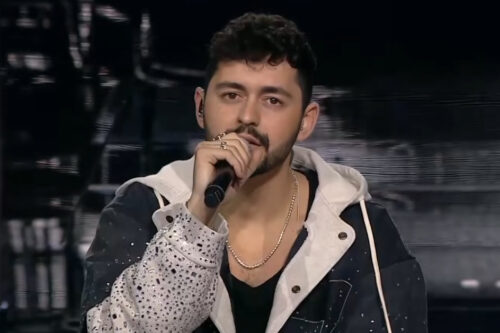
We cannot wait for the Eurovision Song Contest in Vienna. Therefore, we take a closer look at one of the contestants each day. Today, we highlight Israel.

Noam Bettan: Rise in the Israeli Pop Scene

Early Life and Musical Beginnings

Noam Bettan was born on 6 March 1998 in Ra’anana, Israel. Raised in a French-Jewish family, he grew up surrounded by music. From an early age, he focused on singing, joining school choirs and local performances. During his teenage years, he developed a strong vocal style, influenced by emotional pop music. After completing his mandatory military service, he chose to fully pursue a career in music.

Breakthrough on Israeli Television

Bettan first gained national attention in 2018 on the TV show Aviv or Eyal. He reached the final and finished third, which introduced him to a wider audience. Instead of rushing into releases, he spent time refining his voice and artistic direction, working with producers and performing live.

From 2021, Bettan began releasing music consistently. Singles like Ahavot leYom Ehad and Ba’ir Sheli helped him gain traction on radio and streaming platforms. In 2023, he released his debut album Me’al HaMayim, marking a key milestone. The single Buba reached number three on the Galgalatz chart, strengthening his position in Israeli pop.

Continued Growth and New Releases

Following his debut album, Bettan expanded his catalogue with songs such as Sakin BaLev and Lahzor HaBaita. His style remained accessible, with a focus on emotional storytelling. In 2024, he released Pokeach Einayim, based on a poem by a fallen soldier, showing a more reflective side. In 2025, singles like Madame and Sheva Dakot Be-Gan Eden highlighted his consistent output.

Eurovision 2026 Journey

In 2026, Bettan won HaKokhav HaBa, Israel’s Eurovision selection show. His strong vocals and emotional performances made him a standout contestant. He will represent Israel at the Eurovision Song Contest 2026 in Vienna, marking a natural step forward in his career.

Michelle: A Song About Toxic Love

Michelle explores a relationship that is both passionate and destructive. The lyrics describe a love that once brought light but eventually turned into emotional pain. After the breakup, the narrator feels lost and struggles to move on, showing how deeply the relationship affected him.

Multilingual Storytelling in Pop Music

The song stands out for its use of three languages: Hebrew, French, and English. Hebrew expresses raw emotion, French adds a romantic tone, and English helps reach a wider audience. This mix creates an international pop sound while reflecting the complexity of the story.

Strong Imagery and Emotional Depth

“Michelle” uses clear imagery to highlight heartbreak and confusion. Themes of light and darkness underline the emotional journey. A key metaphor—being “trapped in your carousel”—suggests a cycle of love and pain that the narrator cannot escape.The chorus delivers the main message: letting go is necessary. Although the narrator still feels love, he recognises the relationship as unhealthy. This moment captures the tension between emotional attachment and self-preservation.

Israel in the Eurovision Song Contest

Israel has participated in the Eurovision Song Contest 45 times since its debut in 1973. The country has won the contest four times: in 1978 (Izhar Cohen & The Alpha Beta’s “A-ba-ni-bi”, 1979 (Gali Atari & Milk and Honey‘s “Hallelujah”), 1998 (Dana International‘s “Diva”), and 2018 (Netta‘s “Toy”).

The Bookmakers

Israel is currently just outside the Top 5 with the bookmakers. Can it achieve another high ranking?



Related news

Eurovision 2026

Road to Vienna: Estonia

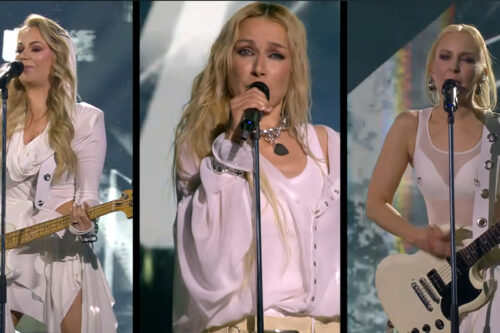
Road to Vienna: Estonia As we eagerly anticipate the Eurovision Song Contest in Basel, we continue our daily spotlight on this year’s contestants. Today, we focus on Estonia Vanilla Ninja: A Pop-Rock Comeback Story Vanilla Ninja is an Estonian girl band formed in 2002 in Tallinn. The original lineup—Maarja Kivi, Lenna Kuurmaa, Katrin Siska, and Piret Järvis—quickly gained attention with their energetic pop-rock sound. Their 2003 debut album introduced hits like “Club Kung Fu,” which became a fan favorite and boosted their popularity across Estonia and Central Europe. Eurovision Breakthrough and International Fame With the release of “Traces of Sadness” in 2004, the band expanded its reach. After a lineup change, they represented Switzerland at the Eurovision Song Contest 2005 with “Cool Vibes,” finishing 8th. Their third album, “Blue Tattoo,” and singles like “Tough Enough” helped establish them as one of Estonia’s biggest music exports. Lineup Changes and Musical Evolution Following more lineup changes, Vanilla Ninja continued as a trio and released “Love Is War” (2006), showcasing a more mature rock sound. Despite continued releases and performances, including the single “Crashing Through the Doors,” the band slowed down and went on hiatus by 2008. Hiatus and Solo Careers (2009–2019) During their long break from 2009 ’till 2019, members pursued individual careers. Lenna Kuurmaa found success as a solo artist and actress, while Maarja Kivi reinvented herself as rock singer Marya Roxx. Fans remained loyal, keeping hopes for a reunion alive. Reunion and New Music  Vanilla Ninja reunited in 2020, releasing their comeback album “Encore” in 2021. After further lineup changes, the band continued as a trio and remained active, releasing new music like. Eurovision Return (2026) In 2026, Vanilla Ninja made a major comeback by winning Eesti Laul with “Too Epic To Be True,” earning them a spot at the Eurovision Song Contest once again. To Epic to be true: A Love That Feels Larger Than Life To Epic to be true  tells the story of a romance that feels almost unreal. The narrator experiences a deep emotional connection that seems guided by fate. Love, destiny, and intensity are at the heart of the track, creating a cinematic and powerful atmosphere. Vulnerability and Self-Doubt Alongside passion, the song explores uncertainty. The narrator questions whether their feelings are too impulsive or naïve. Despite these doubts, they choose to trust their emotions, highlighting themes of honesty, risk, and emotional courage. From Chaos to Clarity A key element of the song is personal growth. The narrator reflects on a previously chaotic life, now transformed by love and stability. This contrast adds depth and shows how meaningful relationships can bring clarity and direction. A Story of Transformation By blending romance with self-discovery, the track delivers a relatable message. It shows how intense love can reshape identity and turn uncertainty into belief, making it both emotional and inspiring for listeners.   Estonia in the Eurovision Song Contest Estonia has participated in the Eurovision Song Contest since 1994 and secured its only victory in 2001 with “Everybody” performed by Tanel Padar, Dave Benton, and 2XL. Another top-3 songs was “Runaway” by Sahlene. She became 3rd. Over the years, Estonia has showcased a diverse range of musical styles, often earning praise for its innovative and bold entries. The country’s commitment to promoting its artists on the international stage remains steadfast, with Eesti Laul serving as a platform for both established and emerging talents. Last years entry, “Espresso Machiato” ended on place 3, in the grand final in Basel.  The Bookmakers Bookmakers are showing little confidence this year, with Estonia currently sitting at the bottom of the rankings. Their chances of reaching the final look quite slim.

Read More »
Eurovision 2026
Anja Kroeze

Road to Vienna: Israel

Road to Vienna: Israel We cannot wait for the Eurovision Song Contest in Vienna. Therefore, we take a closer look at one of the contestants each day. Today, we highlight Israel. Noam Bettan: Rise in the Israeli Pop Scene Early Life and Musical Beginnings Noam Bettan was born on 6 March 1998 in Ra’anana, Israel. Raised in a French-Jewish family, he grew up surrounded by music. From an early age, he focused on singing, joining school choirs and local performances. During his teenage years, he developed a strong vocal style, influenced by emotional pop music. After completing his mandatory military service, he chose to fully pursue a career in music. Breakthrough on Israeli Television Bettan first gained national attention in 2018 on the TV show Aviv or Eyal. He reached the final and finished third, which introduced him to a wider audience. Instead of rushing into releases, he spent time refining his voice and artistic direction, working with producers and performing live. From 2021, Bettan began releasing music consistently. Singles like Ahavot leYom Ehad and Ba’ir Sheli helped him gain traction on radio and streaming platforms. In 2023, he released his debut album Me’al HaMayim, marking a key milestone. The single Buba reached number three on the Galgalatz chart, strengthening his position in Israeli pop. Continued Growth and New Releases Following his debut album, Bettan expanded his catalogue with songs such as Sakin BaLev and Lahzor HaBaita. His style remained accessible, with a focus on emotional storytelling. In 2024, he released Pokeach Einayim, based on a poem by a fallen soldier, showing a more reflective side. In 2025, singles like Madame and Sheva Dakot Be-Gan Eden highlighted his consistent output. Eurovision 2026 Journey In 2026, Bettan won HaKokhav HaBa, Israel’s Eurovision selection show. His strong vocals and emotional performances made him a standout contestant. He will represent Israel at the Eurovision Song Contest 2026 in Vienna, marking a natural step forward in his career. Michelle: A Song About Toxic Love Michelle explores a relationship that is both passionate and destructive. The lyrics describe a love that once brought light but eventually turned into emotional pain. After the breakup, the narrator feels lost and struggles to move on, showing how deeply the relationship affected him. Multilingual Storytelling in Pop Music The song stands out for its use of three languages: Hebrew, French, and English. Hebrew expresses raw emotion, French adds a romantic tone, and English helps reach a wider audience. This mix creates an international pop sound while reflecting the complexity of the story. Strong Imagery and Emotional Depth “Michelle” uses clear imagery to highlight heartbreak and confusion. Themes of light and darkness underline the emotional journey. A key metaphor—being “trapped in your carousel”—suggests a cycle of love and pain that the narrator cannot escape.The chorus delivers the main message: letting go is necessary. Although the narrator still feels love, he recognises the relationship as unhealthy. This moment captures the tension between emotional attachment and self-preservation. Israel in the Eurovision Song Contest Israel has participated in the Eurovision Song Contest 45 times since its debut in 1973. The country has won the contest four times: in 1978 (Izhar Cohen & The Alpha Beta’s “A-ba-ni-bi”, 1979 (Gali Atari & Milk and Honey‘s “Hallelujah”), 1998 (Dana International‘s “Diva”), and 2018 (Netta‘s “Toy”). The Bookmakers Israel is currently just outside the Top 5 with the bookmakers. Can it achieve another high ranking?        

Read More »
Follow Us: