Eurovision 2026 reactions after second semi-final

The Eurovision 2026 reactions continued immediately after Thursday night’s second semi-final in Vienna. Bulgaria, Ukraine, Norway, Australia, Romania, Malta, Cyprus, Albania, Denmark and Czechia qualified for Saturday’s Grand Final. Azerbaijan, Luxembourg, Armenia, Switzerland and Latvia did not make it through. Since Eurovision will only reveal the detailed ranking after the final, the “winners” of the night are again the ten qualifiers. Social media quickly filled with tears, hugs and short messages from the green room.

Qualifiers celebrate their Grand Final place

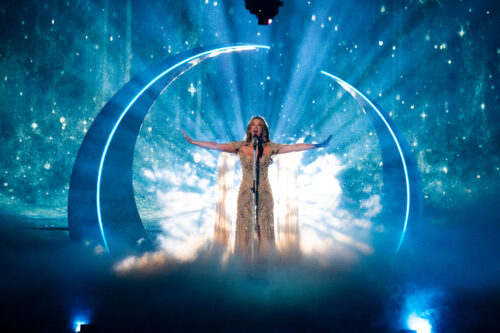
Bulgaria’s DARA was the first name announced, and her disbelief was clear. In a filmed reaction, she said she “could not believe” it, while also underlining how much she loved being on stage with “Bangaranga”. Ukraine’s LELÉKA reacted with a softer kind of joy. She said she felt happy, hopeful and “lightful” after taking “Ridnym” to the final.
📷 EBU/Alma Bengtsson

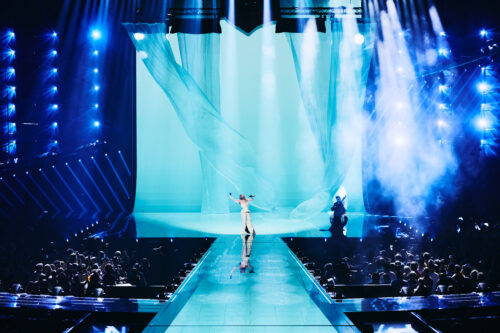
Australia’s Delta Goodrem also moved quickly into gratitude mode. After qualifying with “Eclipse”, she called the moment “pure magic” and thanked fans for every vote, message and bit of love. Norway’s Jonas Lovv sounded equally relieved. Speaking to Norwegian press, he said the result felt “insanely” good and joked that his celebration plan was to go straight to bed.

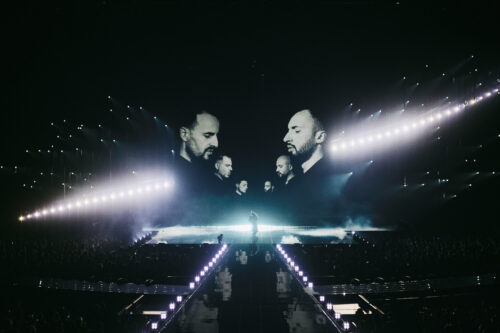
Malta’s AIDAN gave one of the most emotional reactions of the night. He said he was “genuinely so happy” and pointed out that the Maltese language was back on the Eurovision stage after 54 years. Denmark’s Søren Torpegaard Lund described himself as overwhelmed and happy, while Czechia’s Daniel Zizka said he was grateful, tired and still trying to understand what had happened. Albania’s Alis also remained emotional after “Nân” reached the final.
📷 EBU/Alma Bengtsson

Cyprus’ Antigoni thanked everyone who supported “JALLA” and said she had felt confident Cyprus could qualify. Romania’s Alexandra Căpitănescu also celebrated online after “Choke Me” secured Romania a place in the Grand Final. For all ten qualifiers, the mood immediately shifted from nerves to preparation for Saturday.

Non-qualifiers thank fans and look back

For the five non-qualifiers, the Eurovision 2026 reactions were more reflective. Luxembourg’s Eva Marija looked back with pride after “Mother Nature” missed the final. She said she had given everything, was proud of herself and felt grateful for the Eurovision adventure.

Azerbaijan’s JIVA ended her performance by thanking Europe, but “Just Go” did not qualify. Armenia’s SIMÓN, Switzerland’s Veronica Fusaro and Latvia’s Atvara also stayed in the semi-final. Their latest Eurovision messages focused on the performance itself, the meaning behind their songs and the support around them. That made their reactions quieter, but not less meaningful.

The second semi-final therefore showed the familiar two sides of Eurovision: pure celebration for the qualifiers and gratitude, disappointment and pride for those whose Vienna journey ended before Saturday.

Related news

Eurovision 2026

In the Spotlight: France

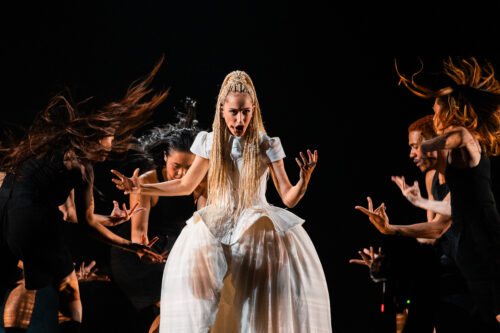
Tomorrow the big final of the Eurovision Song Contest takes place in the Wiener Stadshalle in Vienna . 25 countries compete for the win. One of them is France , represented by Monroe. But who is she? Let’s give her a spotlight. Although she is only 17 years old, Monroe already boasts an impressive musical background. From singing in a small church choir to performing on the Eurovision stage, her journey reflects remarkable talent, dedication, and ambition.With her powerful lyrical voice and impressive stage presence, Monroe combines classical elegance with modern pop appeal.Although she is only 17 years old, Monroe already boasts an impressive musical background. From singing in a small church choir to performing on the Eurovision stage, her journey reflects remarkable talent, dedication, and ambition. Early Life and Musical Background Monroe was born in 2008 in Salt Lake City to a French mother and an American father. Raised in a bilingual household, she grew up speaking both French and English. Her mother strongly encouraged a “double culture” upbringing, allowing Monroe to embrace both sides of her heritage. Her musical journey began in a local church choir, where she first discovered her love for singing. Soon after, she developed a passion for classical music. Monroe learned to play the piano and received formal vocal training, helping her develop the remarkable voice she is known for today. Besides music lessons, Monroe also participated in musical theatre productions and a youth opera programme. These experiences strengthened her acting abilities and stage confidence from an early age. Among her biggest influences are renowned mezzo-soprano Cecilia Bartoli and global superstar Céline Dion. Their influence can clearly be heard in Monroe’s versatile musical style. Winning Prodiges Monroe’s breakthrough came in late 2024 when she auditioned for season 11 of Prodiges, France’s prestigious classical music competition for young talents. Encouraged by her aunt in France, Monroe decided to audition before exceeding the programme’s age limit. Throughout the competition, Monroe impressed both the jury and viewers with her vocal control, emotional delivery, and charisma. One of her standout moments was a stunning performance of Mozart’s famous “Queen of the Night” aria, which see also sang in a station.   In January 2025, Monroe was crowned the winner of the season. The victory immediately turned her into one of France’s most promising young performers. Winning Prodiges also led to a recording contract with Warner Classics, marking the beginning of her professional recording career. Debut Album and Growing Success Following her success on Prodiges, Monroe began working on her debut album. In November 2025, she released her self-titled record, Monroe. The album highlights both her operatic strengths and her crossover appeal. Critics praised the release for its elegance and musical diversity. The tracklist combines famous classical pieces with beloved popular standards. Puccini’s “Nessun Dorma” appears alongside Édith Piaf’s iconic “L’hymne à l’amour”, while “Over the Rainbow” from The Wizard of Oz also features on the album. After the album release, Monroe embarked on a concert tour across France, performing in historic churches and cathedrals. One of the most notable scheduled performances was at the Vatican’s “Jubilee of the Poor” event in Rome, where Pope Francis was expected to attend. However, following her Eurovision selection, several concerts had to be postponed due to rehearsals and preparations for the contest. Eurovision Song Contest 2026 In March 2026, France Télévisions officially announced Monroe as the French representative for the Eurovision Song Contest 2026. Her Eurovision entry, Regarde!, combines opera, musical theatre, and contemporary pop influences. The song was written by Fred Savio, Fredie Marche, and the violin duo Violin Phonix. “Regarde!” delivers an emotional message about love as a universal language that can overcome differences and division. Thanks to Monroe’s strong vocal performance and theatrical interpretation, the song has already generated significant attention among Eurovision fans and music critics alike. France is automatically qualified for the Grand Final as one of the Big 4. Now all eyes are on this young star… could she be the one to bring victory home for France?        

Read More »
Eurovision 2026
Martijn

Eurovision 2026 reactions after second semi-final

The Eurovision 2026 reactions continued immediately after Thursday night’s second semi-final in Vienna. Bulgaria, Ukraine, Norway, Australia, Romania, Malta, Cyprus, Albania, Denmark and Czechia qualified for Saturday’s Grand Final. Azerbaijan, Luxembourg, Armenia, Switzerland and Latvia did not make it through. Since Eurovision will only reveal the detailed ranking after the final, the “winners” of the night are again the ten qualifiers. Social media quickly filled with tears, hugs and short messages from the green room. Qualifiers celebrate their Grand Final place Bulgaria’s DARA was the first name announced, and her disbelief was clear. In a filmed reaction, she said she “could not believe” it, while also underlining how much she loved being on stage with “Bangaranga”. Ukraine’s LELÉKA reacted with a softer kind of joy. She said she felt happy, hopeful and “lightful” after taking “Ridnym” to the final. Australia’s Delta Goodrem also moved quickly into gratitude mode. After qualifying with “Eclipse”, she called the moment “pure magic” and thanked fans for every vote, message and bit of love. Norway’s Jonas Lovv sounded equally relieved. Speaking to Norwegian press, he said the result felt “insanely” good and joked that his celebration plan was to go straight to bed. Malta’s AIDAN gave one of the most emotional reactions of the night. He said he was “genuinely so happy” and pointed out that the Maltese language was back on the Eurovision stage after 54 years. Denmark’s Søren Torpegaard Lund described himself as overwhelmed and happy, while Czechia’s Daniel Zizka said he was grateful, tired and still trying to understand what had happened. Albania’s Alis also remained emotional after “Nân” reached the final. Cyprus’ Antigoni thanked everyone who supported “JALLA” and said she had felt confident Cyprus could qualify. Romania’s Alexandra Căpitănescu also celebrated online after “Choke Me” secured Romania a place in the Grand Final. For all ten qualifiers, the mood immediately shifted from nerves to preparation for Saturday. Non-qualifiers thank fans and look back For the five non-qualifiers, the Eurovision 2026 reactions were more reflective. Luxembourg’s Eva Marija looked back with pride after “Mother Nature” missed the final. She said she had given everything, was proud of herself and felt grateful for the Eurovision adventure. Azerbaijan’s JIVA ended her performance by thanking Europe, but “Just Go” did not qualify. Armenia’s SIMÓN, Switzerland’s Veronica Fusaro and Latvia’s Atvara also stayed in the semi-final. Their latest Eurovision messages focused on the performance itself, the meaning behind their songs and the support around them. That made their reactions quieter, but not less meaningful. The second semi-final therefore showed the familiar two sides of Eurovision: pure celebration for the qualifiers and gratitude, disappointment and pride for those whose Vienna journey ended before Saturday.

Read More »
Follow Us: