šŸ‡®šŸ‡± In memoriam: Shmulik Bilu

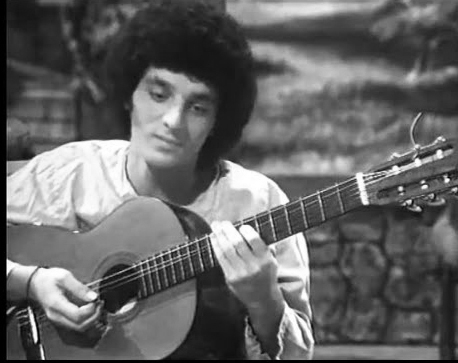
Shmulik Bilu sadly passed away at 31 December 2023, at the age of 71 following a lengthy illness. He was a member of ‘Milk and Honey’, the group that famously represented Israel in the 1979 Eurovision Song Contest with their winning song ‘Hallelujah’.Ā 

In his early years, Bilu was part of the Armored Corps band and took part in the 1969 show ‘Just a Tanker’. He joined ‘Milk and Honey’ in 1979, a band formed specifically for the Song and Chorus Festival, where their rendition of ‘Hallelujah’, penned by Shimrit Orr and Kobi Oshrat, earned them first place. This victory came a year after Izhar Cohen’s success, ensuring their participation in the subsequent European competition. The group also included Yehuda Tamir, Reuven Gvirtz, and lead singer Gali Atari.

Bilu later shifted his focus to working in various productions.

Related news

Eurovision 2026

Road to Vienna: Romania

Road to Vienna: Romania As the Eurovision Song Contest 2026 in Vienna approaches, we continue our daily spotlight on this year’s contestants. Today, we focus on Romania.​ Alexandra Căpitănescu: Romania’s Pop-Rock Powerhouse Alexandra Căpitănescu was born on July 31, 2003, in Galați, Romania. While initially pursuing a degree in physics in Bucharest with ambitions of becoming a medical physicist, her passion for music quickly took over. At just 15, she gained national attention on RomĆ¢nii au talent (2019), impressing judges with a soulful Janis Joplin performance. Breakthrough on The Voice Romania Her major breakthrough came in 2023 on Vocea RomĆ¢niei (The Voice of Romania). Turning all four coaches during auditions, she joined Tudor ChirilÄƒā€™s team and delivered standout performances throughout the season. Her powerful rendition of ā€œLike a Prayerā€ became a highlight, leading her to win the competition in December 2023 and launch her professional career. Music Career and Style After her win, Alexandra signed with Universal Music Romania and released her debut single ā€œNu pot.ā€ In 2024, she dropped her first EP Căpitanu’, showcasing a mix of pop-rock energy and emotional depth. Follow-up singles like ā€œA ta,ā€ ā€œArde,ā€ and ā€œTareā€ further established her sound, while tracks like ā€œDilailaā€ and ā€œStea căzătoareā€ revealed her versatility. Her music is known for its intensity, strong vocals, and emotional storytelling. Live Performances and Stage Presence Alexandra has built a reputation as a powerful live performer, touring across Romania and captivating audiences with her dynamic stage presence. Memorable moments include her duet of ā€œShallowā€ and a theatrical performance of The Phantom of the Opera. Her shows combine vocal strength with raw emotion, making her a standout on any stage. Choke Me: Controversy & Impact ā€œChoke Meā€ by Alexandra Căpitănescu quickly gained international attention thanks to its striking title and emotional intensity. Blending dark pop-rock with powerful vocals, the track stands out as a bold and deeply personal release that resonates with modern listeners. The Meaning Behind ā€œChoke Meā€ Despite its provocative title, the song is not about violence. Instead, ā€œchokingā€ serves as a metaphor for emotional pressure, anxiety, and inner conflict. The lyrics reflect the feeling of being overwhelmed by self-doubt, expectations, and personal struggles. At its core, the song tells a story of vulnerability and transformation—turning internal battles into strength. This emotional honesty gives the track depth and makes it highly relatable. Themes of Self-Love and Growth ā€œChoke Meā€ ultimately delivers an uplifting message. It encourages self-acceptance and highlights the importance of facing inner fears. Alexandra transforms themes of anxiety and insecurity into a narrative of empowerment, showing that growth often comes through struggle. The Controversy Explained The song sparked online debate due to its title and intense imagery. Some listeners initially interpreted ā€œChoke Meā€ as referencing sexual or violent themes. This led to confusion and discussion across social media. However, Alexandra Căpitănescu clarified that the meaning is purely symbolic. The song focuses on psychological pressure and emotional overwhelm—not literal actions. Once explained, many listeners re-evaluated the track and connected more deeply with its message. Ā  Romania in the Eurovision Song Contest RomaniaĀ first took part in the Eurovision Song Contest inĀ 1994. In the beginning, it was hard forĀ RomaniaĀ to do well. The first top-10 score was in 2002, whenĀ Monica AnghelĀ andĀ Marcel PavelĀ reached the 9th place. A very high score, 4th, was there for the afornamed Mihai. Two 3rd places were there forĀ Romania: inĀ 2005Ā (Luminița Anghel and SistemĀ even won the semifinal!) and forĀ Ovi and Paula SelingĀ inĀ 2010. In more recent yearsĀ IlincaĀ andĀ Alex FloreaĀ became 7th with ā€œYodel it!ā€. The bookmakers Despite — or perhaps because of — the controversy about the song, Romania holds an impressive 8th place with the bookmakers. The real question is: how much higher can it go?

Read More Ā»
Eurovision 2026
Anja Kroeze

Road to Vienna: Romania

Road to Vienna: Romania As the Eurovision Song Contest 2026 in Vienna approaches, we continue our daily spotlight on this year’s contestants. Today, we focus on Romania.​ Alexandra Căpitănescu: Romania’s Pop-Rock Powerhouse Alexandra Căpitănescu was born on July 31, 2003, in Galați, Romania. While initially pursuing a degree in physics in Bucharest with ambitions of becoming a medical physicist, her passion for music quickly took over. At just 15, she gained national attention on RomĆ¢nii au talent (2019), impressing judges with a soulful Janis Joplin performance. Breakthrough on The Voice Romania Her major breakthrough came in 2023 on Vocea RomĆ¢niei (The Voice of Romania). Turning all four coaches during auditions, she joined Tudor ChirilÄƒā€™s team and delivered standout performances throughout the season. Her powerful rendition of ā€œLike a Prayerā€ became a highlight, leading her to win the competition in December 2023 and launch her professional career. Music Career and Style After her win, Alexandra signed with Universal Music Romania and released her debut single ā€œNu pot.ā€ In 2024, she dropped her first EP Căpitanu’, showcasing a mix of pop-rock energy and emotional depth. Follow-up singles like ā€œA ta,ā€ ā€œArde,ā€ and ā€œTareā€ further established her sound, while tracks like ā€œDilailaā€ and ā€œStea căzătoareā€ revealed her versatility. Her music is known for its intensity, strong vocals, and emotional storytelling. Live Performances and Stage Presence Alexandra has built a reputation as a powerful live performer, touring across Romania and captivating audiences with her dynamic stage presence. Memorable moments include her duet of ā€œShallowā€ and a theatrical performance of The Phantom of the Opera. Her shows combine vocal strength with raw emotion, making her a standout on any stage. Choke Me: Controversy & Impact ā€œChoke Meā€ by Alexandra Căpitănescu quickly gained international attention thanks to its striking title and emotional intensity. Blending dark pop-rock with powerful vocals, the track stands out as a bold and deeply personal release that resonates with modern listeners. The Meaning Behind ā€œChoke Meā€ Despite its provocative title, the song is not about violence. Instead, ā€œchokingā€ serves as a metaphor for emotional pressure, anxiety, and inner conflict. The lyrics reflect the feeling of being overwhelmed by self-doubt, expectations, and personal struggles. At its core, the song tells a story of vulnerability and transformation—turning internal battles into strength. This emotional honesty gives the track depth and makes it highly relatable. Themes of Self-Love and Growth ā€œChoke Meā€ ultimately delivers an uplifting message. It encourages self-acceptance and highlights the importance of facing inner fears. Alexandra transforms themes of anxiety and insecurity into a narrative of empowerment, showing that growth often comes through struggle. The Controversy Explained The song sparked online debate due to its title and intense imagery. Some listeners initially interpreted ā€œChoke Meā€ as referencing sexual or violent themes. This led to confusion and discussion across social media. However, Alexandra Căpitănescu clarified that the meaning is purely symbolic. The song focuses on psychological pressure and emotional overwhelm—not literal actions. Once explained, many listeners re-evaluated the track and connected more deeply with its message. Ā  Romania in the Eurovision Song Contest RomaniaĀ first took part in the Eurovision Song Contest inĀ 1994. In the beginning, it was hard forĀ RomaniaĀ to do well. The first top-10 score was in 2002, whenĀ Monica AnghelĀ andĀ Marcel PavelĀ reached the 9th place. A very high score, 4th, was there for the afornamed Mihai. Two 3rd places were there forĀ Romania: inĀ 2005Ā (Luminița Anghel and SistemĀ even won the semifinal!) and forĀ Ovi and Paula SelingĀ inĀ 2010. In more recent yearsĀ IlincaĀ andĀ Alex FloreaĀ became 7th with ā€œYodel it!ā€. The bookmakers Despite — or perhaps because of — the controversy about the song, Romania holds an impressive 8th place with the bookmakers. The real question is: how much higher can it go?

Read More Ā»
Follow Us: