Weekly update

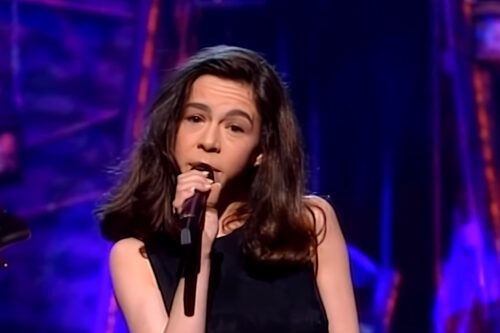
đź“· Fanny, Eurovision 1997

It’s Tuesday, December 30, 2025. Time for another weekly update! This week brings sad news for the Eurovision family with the loss of a former contestant. Meanwhile, fans can look forward to a major Nordic Eurovision event with big names revealed, and preparations for Eurovision 2026 continue with a key appointment in Vienna. Here are this week’s top stories:

News about Past Participants
🇫🇷 France: Fanny Biascamano (Eurovision 1997) Passes Away

The Eurovision community is mourning the loss of Fanny Biascamano. The French singer, who represented France at the Eurovision Song Contest 1997, passed away on 27 December 2025 at the age of 46. Her family shared the news on social media.

Fanny was born in 1979 in Marseille. She became famous at a very young age. In 1991, she appeared on the TV show Sacrée Soirée. There, she sang “L’Homme à la moto” by Édith Piaf. The performance made her an overnight star. The single sold millions of copies in France and abroad.

In the 1990s, Fanny released several albums. Her music focused on chanson and classic French pop. In 1997, she represented France at Eurovision in Dublin with “Sentiments songes”. She finished in seventh place, which was a strong result for the country at that time.

Later, Fanny stepped away from mainstream pop music. She toured with programmes dedicated to Édith Piaf and worked on personal projects. She also wrote books, including cookbooks inspired by southern French cuisine. Fans remember her for her distinctive voice and early success.

source: Facebook

Eurovision Events
🇳🇴 Nordic Eurovision Party 2026 – First Guest Performers Announced

The Nordic Eurovision Party has revealed its first guest performers. The event will take place on 21 March 2026 in Oslo. It is one of the major pre-parties in the Eurovision calendar.

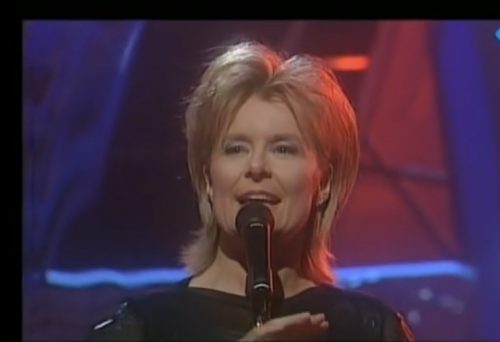
Among the first announced names are Elisabeth Andreassen and Jørgen Olsen. Both artists won the Eurovision Song Contest in the past. They will appear alongside other familiar Eurovision faces, including Poli Genova, Lindsay Dracass, Ovi and Ilinca.

More performers will be announced in the coming weeks. The Nordic Eurovision Party traditionally attracts fans from across Europe.  source: instagram
Elisabeth Andreasson

đź“· Elisabeth Andreassen
Eurovision 2026 News
🇦🇹 Vienna: Marvin Dietmann Appointed Head of Contest

Preparations for Eurovision 2026 continue in Austria. Broadcaster ORF has appointed Marvin Dietmann as Head of Contest. He will play a key role in the organisation of the event in Vienna.

Dietmann has extensive Eurovision experience. He has worked as a stage director and creative producer on several editions of the contest. He was also involved in the production team in recent years. In his new role, he will oversee the overall contest production.

Eurovision 2026 will take place in Vienna. The semi-finals are scheduled for 12 and 14 May. The grand final will follow on 16 May. Austria is preparing for a special edition of the contest. source: Eurovoix
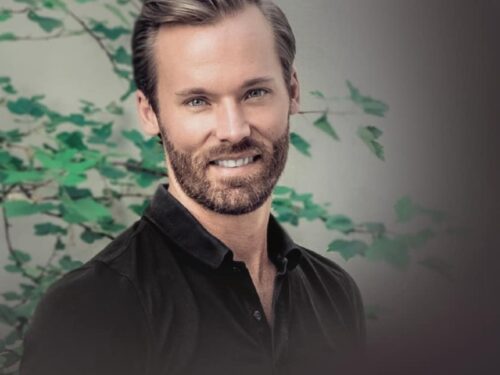
đź“· Marvin Dietmann, photo: CyBC

Related news

History

70 years of Eurovision: big hits and bare feet

The Eurovision Song Contest is celebrating its 70th anniversary. That is a wonderful milestone. We at Eurovision Universe love diving into the history of the contest. That is why we are taking a closer look at the contests of the past 70 years. 1965 Sweden was back. Ireland made its debut. That brought the total number of countries in Naples, Italy, to no less than 18. In the RAI auditorium in this city, Renata Mauro presented the largest festival to date. Udo JĂĽrgens participated for Austria for the second time. Conchita Bautista returned for Spain. Vice Vukov was there for the second time representing Yugoslavia. But those were not the entries that caused a stir. Bobby Solo (Italy) and Guy Mardel (France) managed to score an international hit. But the most notable one was Ingvar Wixell from Sweden. This opera singer had been assigned the song “Annorstädes Vals” in the national final. But in Naples, he suddenly sang “Absent Friend,” the English version. Nowhere in the Eurovision regulations did it state that this was not allowed. You can imagine that it was included a year later. The French singer France Gall won for Luxembourg. Her “PoupĂ©e de cire, poupĂ©e de son” was written by none other than Serge Gainsbourg. He stated that he had never watched Eurovision. He therefore had no clue what he was writing for. And perhaps that was exactly the key to the success. During the reprise, France Gall seemed to realize she had won only halfway through. Only then a smile appeared on her face. 1966 Once again, the Eurovision circus moved to the tiny studio in the Villa Lauvigny in Luxembourg. The presentation was now in the hands of Josiane Shen. The same countries as in 1965 participated. Udo JĂĽrgens participated for Austria for the third consecutive time. Domenico Modugno returned for Italy. And then we do not want to leave two candidates unmentioned: Ă…se Kleveland (Norway) and Lill Lindfors (Sweden) would later host the contest themselves. Kleveland, who later also became Minister of Culture in Norway, won the hearts of the jury members with her guitar. She came third. Lindfors sang a fairy tale to jazzy music in a duet. She came second with it. However, we do not want to leave the Dutch Milly Scott out either. Not only because she was the first black singer at Eurovision. She had also quite misjudged the size of the stage. She wanted to enter with a steeplechase. That was impossible. She had to back down and put on a much simpler act. As mentioned, Udo JĂĽrgens participated for Austria for the third time. Third time was the charm for him: he won! A promising career lay ahead of him. When he won and got to sing his “Merci ChĂ©rie” again, he turned it into “Merci Jury”. 1967 For the first time, the Eurovision Song Contest went to Vienna. Erika Vaal hosted the contest at the Vienna Hofburg. She opened the show with a speech in no less than four languages. In addition, she apologized for not being proficient in all the participants’ other languages. Denmark was not present this year and would be absent for a long time. This country was angry about the bloc formation during the voting. RaphaĂ«l from Spain and Kirsti Sparboe from Norway both participated for a second time. So did Claudio Villa from Italy. Serge Gainsbourg wrote a song, just like two years earlier. This time it was for Monaco. Singer Minouche Barelli let loose completely during Gainsbourg’s “Boum Badaboum”. The Greek Vicky (Leandros, though she did not use that surname yet) did the same. Her “L’amour est bleu” became a big hit, but not exactly for her. Orchestra conductor Paul Mauriat made a single with the instrumental version and walked away with the hit. The voting was incredibly exciting. Not because of the winner, as that was the United Kingdom with a landslide. Rather because of the many errors and misses during the scoring. The scoreboard kept malfunctioning, forcing poor Erika Vaal to constantly make adjustments. In her panic, she forgot about the last one, the Irish jury. “I thought we were going to be left out,” a crestfallen Irish jury chairman remarked. But then again, it was pop star Sandie Shaw who won for the United Kingdom with “Puppet on a String.” She caused a sensation by winning barefoot! Her song became a worldwide hit and a classic. However, Sandie Shaw has never made a secret of the fact that she herself hated that song. There have indeed been times when she refused to sing it. For example, on a Dutch television show, she simply walked away when the interviewer mentioned the word Eurovision.

Read More »
History
Martijn

70 years of Eurovision: big hits and bare feet

The Eurovision Song Contest is celebrating its 70th anniversary. That is a wonderful milestone. We at Eurovision Universe love diving into the history of the contest. That is why we are taking a closer look at the contests of the past 70 years. 1965 Sweden was back. Ireland made its debut. That brought the total number of countries in Naples, Italy, to no less than 18. In the RAI auditorium in this city, Renata Mauro presented the largest festival to date. Udo JĂĽrgens participated for Austria for the second time. Conchita Bautista returned for Spain. Vice Vukov was there for the second time representing Yugoslavia. But those were not the entries that caused a stir. Bobby Solo (Italy) and Guy Mardel (France) managed to score an international hit. But the most notable one was Ingvar Wixell from Sweden. This opera singer had been assigned the song “Annorstädes Vals” in the national final. But in Naples, he suddenly sang “Absent Friend,” the English version. Nowhere in the Eurovision regulations did it state that this was not allowed. You can imagine that it was included a year later. The French singer France Gall won for Luxembourg. Her “PoupĂ©e de cire, poupĂ©e de son” was written by none other than Serge Gainsbourg. He stated that he had never watched Eurovision. He therefore had no clue what he was writing for. And perhaps that was exactly the key to the success. During the reprise, France Gall seemed to realize she had won only halfway through. Only then a smile appeared on her face. 1966 Once again, the Eurovision circus moved to the tiny studio in the Villa Lauvigny in Luxembourg. The presentation was now in the hands of Josiane Shen. The same countries as in 1965 participated. Udo JĂĽrgens participated for Austria for the third consecutive time. Domenico Modugno returned for Italy. And then we do not want to leave two candidates unmentioned: Ă…se Kleveland (Norway) and Lill Lindfors (Sweden) would later host the contest themselves. Kleveland, who later also became Minister of Culture in Norway, won the hearts of the jury members with her guitar. She came third. Lindfors sang a fairy tale to jazzy music in a duet. She came second with it. However, we do not want to leave the Dutch Milly Scott out either. Not only because she was the first black singer at Eurovision. She had also quite misjudged the size of the stage. She wanted to enter with a steeplechase. That was impossible. She had to back down and put on a much simpler act. As mentioned, Udo JĂĽrgens participated for Austria for the third time. Third time was the charm for him: he won! A promising career lay ahead of him. When he won and got to sing his “Merci ChĂ©rie” again, he turned it into “Merci Jury”. 1967 For the first time, the Eurovision Song Contest went to Vienna. Erika Vaal hosted the contest at the Vienna Hofburg. She opened the show with a speech in no less than four languages. In addition, she apologized for not being proficient in all the participants’ other languages. Denmark was not present this year and would be absent for a long time. This country was angry about the bloc formation during the voting. RaphaĂ«l from Spain and Kirsti Sparboe from Norway both participated for a second time. So did Claudio Villa from Italy. Serge Gainsbourg wrote a song, just like two years earlier. This time it was for Monaco. Singer Minouche Barelli let loose completely during Gainsbourg’s “Boum Badaboum”. The Greek Vicky (Leandros, though she did not use that surname yet) did the same. Her “L’amour est bleu” became a big hit, but not exactly for her. Orchestra conductor Paul Mauriat made a single with the instrumental version and walked away with the hit. The voting was incredibly exciting. Not because of the winner, as that was the United Kingdom with a landslide. Rather because of the many errors and misses during the scoring. The scoreboard kept malfunctioning, forcing poor Erika Vaal to constantly make adjustments. In her panic, she forgot about the last one, the Irish jury. “I thought we were going to be left out,” a crestfallen Irish jury chairman remarked. But then again, it was pop star Sandie Shaw who won for the United Kingdom with “Puppet on a String.” She caused a sensation by winning barefoot! Her song became a worldwide hit and a classic. However, Sandie Shaw has never made a secret of the fact that she herself hated that song. There have indeed been times when she refused to sing it. For example, on a Dutch television show, she simply walked away when the interviewer mentioned the word Eurovision.

Read More »
Follow Us: