
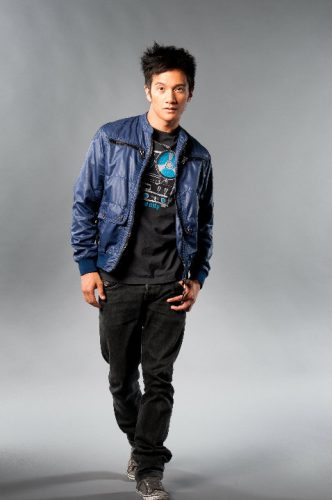
Vincent Bueno presents “Alive”

Austrian representant Vincent Bueno presented his entry “Alive” this morning. The singer was already known a few months ago, but we had to wait for the song. “Alive” is written and composed by Vincent himself together with Vincent Bueno, David Yang, Felix van Göns and Artur Aigner.

Related news

History

70 years of Eurovision: she won, they won

The Eurovision Song Contest is celebrating its 70th anniversary. That is a wonderful milestone. We at Eurovision Universe love diving into the history of the contest. That is why we are taking a closer look at the contests of the past 70 years. 2023 Because Ukraine could not safely host the Eurovision Song Contest, the United Kingdom stepped in as the runner-up from 2022. Liverpool was chosen as the host city, and the M&S Bank Arena became the stage. Hannah Waddingham, Julia Sanina, Alesha Dixon, and Graham Norton presented the event. The city embraced the occasion wholeheartedly, decorating itself in Ukrainian blue and yellow throughout contest week. It was one of the most warmly received editions in recent memory. The songs Marco Mengoni represented Italy for the second time. He secured a respectable fourth place. Moldova’s contestant was no newcomer either. Pasha Parfeni already participated in 2012. Teya and Salena from Austria wondered: “Who The Hell Is Edgar?” Together with Joëlle Ursull in 1990, they were the second to mention Edgar Allan Poe in their song. Although the two did well with the bookmakers, they still finished in 15th place. The Polish contestant Blanka was controversial. She had been promoted in advance by the Polish broadcaster. And she was said to know the son of jury chairwoman Edyta Górniak quite well. TVP was also accused of homophobia because the favorite Jann received very few points. The Canadian singer La Zarra represented France but failed to live up to expectations. When the televote for France was announced, she put her middle finger on the camera. The Belgian contestant Gustaph repeated what Laura Tesoro did in 2016. No one had confidence in the entry, but from the moment the stage act was revealed, Gustaph’s odds rose. Ultimately, he exceeded all expectations with a seventh-place finish. Striking, but unpopular with the jury, was Let 3 from Croatia. Featuring, among other things, a pink version of a German army uniform, Let 3’s act looked more like a fever dream. As mentioned, the jury did not appreciate it, but the televoters did. Mae Muller represented the host country, the United Kingdom. During all the rehearsals, she sang so terribly badly that the men feared the worst. And although the singing was better during the broadcast, a 25th place was the best she could achieve. Käärijä, crowd favorite Both the people in the audience and the televoters at home had a clear preference for the Finn Käärijä. With a unique act, charisma, and a neon-green bolero, he managed to capture everyone’s full attention. He therefore won comfortably with the televoter with his “Cha-Cha-Cha”. The jury was slightly less charmed by it, which resulted in a result deemed unnecessary by the audience. The entire hall chanted “Käärijä! Käärijä! Käärijä!”. Loreen In the end, the professional jury vote was decisive. Loreen won convincingly among the national juries, while Käärijä took the public televote by storm. When the final scores were combined, Loreen came out ahead. She became the second artist in Eurovision history to win the contest twice, the first being Johnny Logan of Ireland, who won in 1980 and 1987. Sweden claimed its seventh Eurovision title. The result was controversial among fans, many of whom felt Käärijä deserved the victory. The debate about the balance between jury and public vote flared up again with renewed intensity. Regardless, Loreen’s vocal performance on the night was flawless, and “Tattoo” became one of the most-streamed Eurovision winners in the contest’s history. 2024 Sweden hosted for the seventh time. The Malmö Arena welcomed the contest, and (of course) Petra Mede and Malin Åkerman presented the event. Malmö had hosted before, in 1992 and 2013. The contest, however, took place in a charged political atmosphere. Israel’s participation was the subject of intense debate, given the ongoing conflict in Gaza. Protests took place outside the arena throughout the week. Inside, the contest carried on. Several calls to exclude Israel were made by broadcasters and artists alike. The EBU held firm: Israel would participate. Eden Golan represented the country with “Hurricane,” a song whose original lyrics had been altered at the EBU’s request. Despite, or perhaps because of, the controversy, Golan finished fifth. Romania withdrew from the contest. On the other hand, there was also good news: Luxembourg returned to Eurovision for the first time since 1993.  The songs Hera Björk from Iceland participated for the second time. However, the success she achieved in 2010 was not present this time. Natalia Barbu from Moldova also failed to reach the final. Fortunately, the rule that applied to her in 2007 (if you do not reach the final, you pay the costs yourself) was not in effect this time. Alyona Alyona and Jerry Heil represented Ukraine. The latter had already participated in the national final several times. The entry impressed so much that Ukraine could count on a third place. Although Spain did not finish very high, the entry, “Zorra”, was hugely popular. Ireland came with the first non-binary participant, Bambie Thug. They performed their entry “Doomsday Blues” in a very unique way: seated in a sort of witches’ circle, Bambie Thug defeated their demons. The act was very popular with some, while others found it too scary for a family program. Bambie Thug finished sixth. Olly Alexander represented the United Kingdom. His act took place in a somewhat dingy dressing room. The entry was not a success. Windows95man finished low in the final. During the national final, he was wearing a shirt with the Windows 95 logo. This had to be blurred during the live broadcast. The French entry was very popular. Singer Slimane was certainly not qutie unknown in his own country either. His song “Mon Amour” ultimately finished fourth. The Croatian Baby Lasagna was very popular and was even seen as a potential winner. His song about leaving home and hearth resonated with the audience. Joost Klein “Europapa”, the Dutch entry by Joost Klein, did the same. He participated in the festival

Read More »
History
Martijn

70 years of Eurovision: she won, they won

The Eurovision Song Contest is celebrating its 70th anniversary. That is a wonderful milestone. We at Eurovision Universe love diving into the history of the contest. That is why we are taking a closer look at the contests of the past 70 years. 2023 Because Ukraine could not safely host the Eurovision Song Contest, the United Kingdom stepped in as the runner-up from 2022. Liverpool was chosen as the host city, and the M&S Bank Arena became the stage. Hannah Waddingham, Julia Sanina, Alesha Dixon, and Graham Norton presented the event. The city embraced the occasion wholeheartedly, decorating itself in Ukrainian blue and yellow throughout contest week. It was one of the most warmly received editions in recent memory. The songs Marco Mengoni represented Italy for the second time. He secured a respectable fourth place. Moldova’s contestant was no newcomer either. Pasha Parfeni already participated in 2012. Teya and Salena from Austria wondered: “Who The Hell Is Edgar?” Together with Joëlle Ursull in 1990, they were the second to mention Edgar Allan Poe in their song. Although the two did well with the bookmakers, they still finished in 15th place. The Polish contestant Blanka was controversial. She had been promoted in advance by the Polish broadcaster. And she was said to know the son of jury chairwoman Edyta Górniak quite well. TVP was also accused of homophobia because the favorite Jann received very few points. The Canadian singer La Zarra represented France but failed to live up to expectations. When the televote for France was announced, she put her middle finger on the camera. The Belgian contestant Gustaph repeated what Laura Tesoro did in 2016. No one had confidence in the entry, but from the moment the stage act was revealed, Gustaph’s odds rose. Ultimately, he exceeded all expectations with a seventh-place finish. Striking, but unpopular with the jury, was Let 3 from Croatia. Featuring, among other things, a pink version of a German army uniform, Let 3’s act looked more like a fever dream. As mentioned, the jury did not appreciate it, but the televoters did. Mae Muller represented the host country, the United Kingdom. During all the rehearsals, she sang so terribly badly that the men feared the worst. And although the singing was better during the broadcast, a 25th place was the best she could achieve. Käärijä, crowd favorite Both the people in the audience and the televoters at home had a clear preference for the Finn Käärijä. With a unique act, charisma, and a neon-green bolero, he managed to capture everyone’s full attention. He therefore won comfortably with the televoter with his “Cha-Cha-Cha”. The jury was slightly less charmed by it, which resulted in a result deemed unnecessary by the audience. The entire hall chanted “Käärijä! Käärijä! Käärijä!”. Loreen In the end, the professional jury vote was decisive. Loreen won convincingly among the national juries, while Käärijä took the public televote by storm. When the final scores were combined, Loreen came out ahead. She became the second artist in Eurovision history to win the contest twice, the first being Johnny Logan of Ireland, who won in 1980 and 1987. Sweden claimed its seventh Eurovision title. The result was controversial among fans, many of whom felt Käärijä deserved the victory. The debate about the balance between jury and public vote flared up again with renewed intensity. Regardless, Loreen’s vocal performance on the night was flawless, and “Tattoo” became one of the most-streamed Eurovision winners in the contest’s history. 2024 Sweden hosted for the seventh time. The Malmö Arena welcomed the contest, and (of course) Petra Mede and Malin Åkerman presented the event. Malmö had hosted before, in 1992 and 2013. The contest, however, took place in a charged political atmosphere. Israel’s participation was the subject of intense debate, given the ongoing conflict in Gaza. Protests took place outside the arena throughout the week. Inside, the contest carried on. Several calls to exclude Israel were made by broadcasters and artists alike. The EBU held firm: Israel would participate. Eden Golan represented the country with “Hurricane,” a song whose original lyrics had been altered at the EBU’s request. Despite, or perhaps because of, the controversy, Golan finished fifth. Romania withdrew from the contest. On the other hand, there was also good news: Luxembourg returned to Eurovision for the first time since 1993.  The songs Hera Björk from Iceland participated for the second time. However, the success she achieved in 2010 was not present this time. Natalia Barbu from Moldova also failed to reach the final. Fortunately, the rule that applied to her in 2007 (if you do not reach the final, you pay the costs yourself) was not in effect this time. Alyona Alyona and Jerry Heil represented Ukraine. The latter had already participated in the national final several times. The entry impressed so much that Ukraine could count on a third place. Although Spain did not finish very high, the entry, “Zorra”, was hugely popular. Ireland came with the first non-binary participant, Bambie Thug. They performed their entry “Doomsday Blues” in a very unique way: seated in a sort of witches’ circle, Bambie Thug defeated their demons. The act was very popular with some, while others found it too scary for a family program. Bambie Thug finished sixth. Olly Alexander represented the United Kingdom. His act took place in a somewhat dingy dressing room. The entry was not a success. Windows95man finished low in the final. During the national final, he was wearing a shirt with the Windows 95 logo. This had to be blurred during the live broadcast. The French entry was very popular. Singer Slimane was certainly not qutie unknown in his own country either. His song “Mon Amour” ultimately finished fourth. The Croatian Baby Lasagna was very popular and was even seen as a potential winner. His song about leaving home and hearth resonated with the audience. Joost Klein “Europapa”, the Dutch entry by Joost Klein, did the same. He participated in the festival

Read More »
Follow Us: