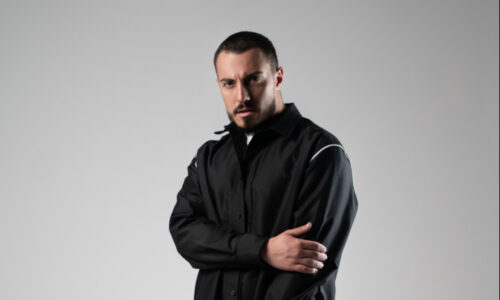
🇦🇿 The last entry of this year, Azerbaijan: Fahree & Ilkin Dövlatov with “Ă–zĂĽnlÉ™ apar”

“Ă–zĂĽnlÉ™ apar” is the song Azerbaijani Fahree will sing to represent his country during the Eurovision Song Contest 2024. All other countries had already announced their artist and song but Azerbaijan waited a while to release their song “Ă–zĂĽnlÉ™ apar” on March 15th. And thus concluded the 37 act announcements.

Fahree will perform the song together with singer Ilkin Dövlətov. Ilkin is known for his participation in the Azerbaijani version of “The Voice”. The song is a mix of pop and traditional elements. The music styles of the two artists will compliment each other. Fahree is considered a primarily pop artist while Dövlətov is known for incorporating more traditional and folk elements into his music. Additionally, Fahree stated:

“We have already started preparations, our stage choreography will be really different and spectacular. Since the stage structure is very big and difficult, I will start acting lessons.”

Moreover, a very interesting message was conveyed by “The Azeri Times” about Armenia’s participation in the Eurovision Song Contest, “Jako” by Ladaniva. More specifically, the following text was posted on the official Twitter/X account of “The Azeri Times”:

“Lovely music accompanied by a beautiful theme. The day we exchange 12 points between Azerbaijan and Armenia will be a beautiful symbol of true peace. Here’s to hoping for that day!”


Related news

History

70 years of Eurovision, slipping into the sixties

The Eurovision Song Contest is celebrating its 70th anniversary. That is a wonderful milestone. We at Eurovision Universe love diving into the history of the contest. That is why we are taking a closer look at the contests of the past 70 years. 1959 France chose to organize the contest in Cannes. Eleven countries came together. No Luxembourg this year, but the United Kingdom was back. Monaco made its debut. The presentation was in the hands of Jacqueline Joubert, who would go on to do so more often. The big favorite was Domenico Modugno. After the success of “Volare,” he entered for Italy again. He did not show up for the first rehearsal. He did not consider it important. The French broadcaster thought different and scheduled a rehearsal for him anyway. He did not win by a long shot. His “Piove” finished in sixth place only. Also noteworthy were the participants from Germany: the recently deceased Kessler Sisters, who sang their song entirely in sync. But France did not want to grant Italy the victory. The same applied the other way around. And where two dogs fight over a bone, the third one runs off with it. And that was the Dutch Teddy Scholten. With the artfully rhymed “Een beetje,” she took first place, much to her own surprise. When someone from the production team urged her to go to the stage because she had won, she didn’t believe a word of it. And yet it was true: the Netherlands had won for the second time in four years. 1960 It became a bit too much for the Dutch broadcaster to organize the contest yet again. Therefore, the British BBC took over. The contest moved to London, and for the first time, but certainly not the last, Cathy Boyle hosted the event. Thirteen countries participated. Luxembourg was back, and Norway made its debut.Big stars participated. Siw Malmkvist represented Sweden. Camillo Felgen competed for Luxembourg (in Luxembourgish!). Rudi Carell, who would later become a big star in Germany, competed for the Netherlands. None of them finished high. The winner was 19-year-old Jacqueline Boyer. Conductor Franck Pourcel was displeased that she had to perform last. After all, she had to go to bed early, the conductor said. At Pourcel’s request, the entire rehearsal schedule was rearranged. And Jacqueline won! “Tom Pillibi”, a song about a pathological liar, became a huge success and an international hit. 1961 The Eurovision Song Contest returned to Cannes, France. Jacqueline Joubert hosted it for the second time. By then, the number of participating countries had grown to sixteen. Spain, Yugoslavia, and Finland made their debut. Lale Andersen participated for Germany. She had gained fame during World War II with the song “Lili Marleen”. A Greek also took to the stage, which was the first time. Although Greece itself was not yet participating, singer Jimmy Makoulis represented Austria. The final unintentionally became very exciting between Luxembourg and the United Kingdom. Unintentionally, because for a long time, too many points were accidentally recorded for the British on the scoreboard. The British duo, The Allisons, did have the big Eurovision hit of that year with “Are You Sure?”. Frenchman Jean-Claude Pascal won for Luxembourg. In “Nous, les amoureux,” he sang of a love that was disapproved of by others. Only much later Pascal admitted that this song was about the love between two men. In this, Pascal was far, very far ahead of his time.

Read More »
History
Martijn

70 years of Eurovision, slipping into the sixties

The Eurovision Song Contest is celebrating its 70th anniversary. That is a wonderful milestone. We at Eurovision Universe love diving into the history of the contest. That is why we are taking a closer look at the contests of the past 70 years. 1959 France chose to organize the contest in Cannes. Eleven countries came together. No Luxembourg this year, but the United Kingdom was back. Monaco made its debut. The presentation was in the hands of Jacqueline Joubert, who would go on to do so more often. The big favorite was Domenico Modugno. After the success of “Volare,” he entered for Italy again. He did not show up for the first rehearsal. He did not consider it important. The French broadcaster thought different and scheduled a rehearsal for him anyway. He did not win by a long shot. His “Piove” finished in sixth place only. Also noteworthy were the participants from Germany: the recently deceased Kessler Sisters, who sang their song entirely in sync. But France did not want to grant Italy the victory. The same applied the other way around. And where two dogs fight over a bone, the third one runs off with it. And that was the Dutch Teddy Scholten. With the artfully rhymed “Een beetje,” she took first place, much to her own surprise. When someone from the production team urged her to go to the stage because she had won, she didn’t believe a word of it. And yet it was true: the Netherlands had won for the second time in four years. 1960 It became a bit too much for the Dutch broadcaster to organize the contest yet again. Therefore, the British BBC took over. The contest moved to London, and for the first time, but certainly not the last, Cathy Boyle hosted the event. Thirteen countries participated. Luxembourg was back, and Norway made its debut.Big stars participated. Siw Malmkvist represented Sweden. Camillo Felgen competed for Luxembourg (in Luxembourgish!). Rudi Carell, who would later become a big star in Germany, competed for the Netherlands. None of them finished high. The winner was 19-year-old Jacqueline Boyer. Conductor Franck Pourcel was displeased that she had to perform last. After all, she had to go to bed early, the conductor said. At Pourcel’s request, the entire rehearsal schedule was rearranged. And Jacqueline won! “Tom Pillibi”, a song about a pathological liar, became a huge success and an international hit. 1961 The Eurovision Song Contest returned to Cannes, France. Jacqueline Joubert hosted it for the second time. By then, the number of participating countries had grown to sixteen. Spain, Yugoslavia, and Finland made their debut. Lale Andersen participated for Germany. She had gained fame during World War II with the song “Lili Marleen”. A Greek also took to the stage, which was the first time. Although Greece itself was not yet participating, singer Jimmy Makoulis represented Austria. The final unintentionally became very exciting between Luxembourg and the United Kingdom. Unintentionally, because for a long time, too many points were accidentally recorded for the British on the scoreboard. The British duo, The Allisons, did have the big Eurovision hit of that year with “Are You Sure?”. Frenchman Jean-Claude Pascal won for Luxembourg. In “Nous, les amoureux,” he sang of a love that was disapproved of by others. Only much later Pascal admitted that this song was about the love between two men. In this, Pascal was far, very far ahead of his time.

Read More »
Follow Us: