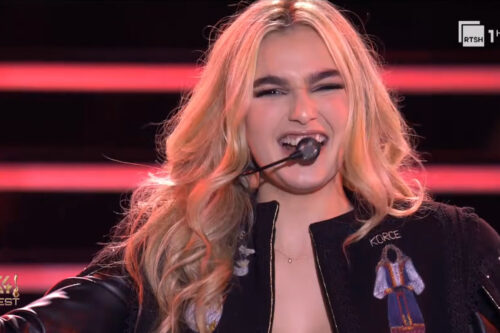
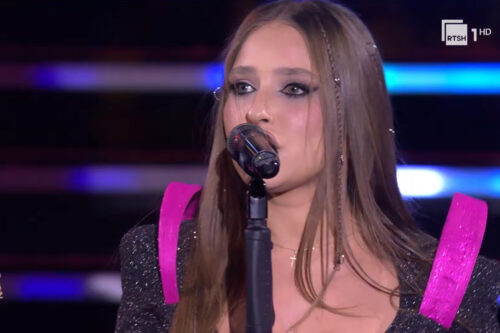
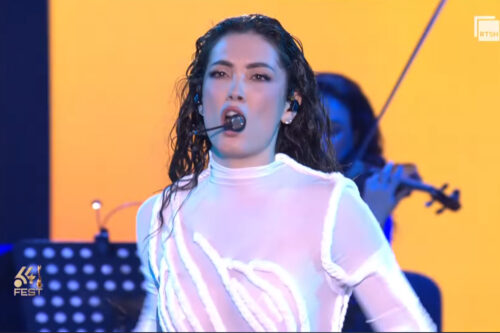
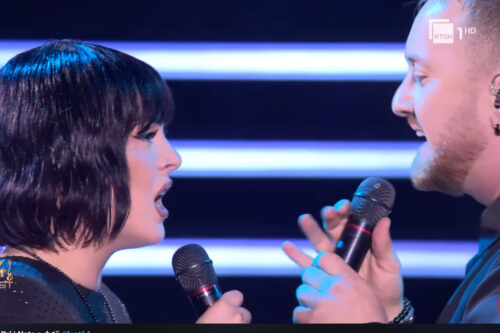
Albania: Alis wins Festivali i këngës


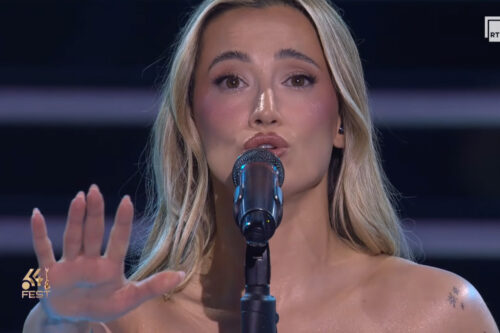
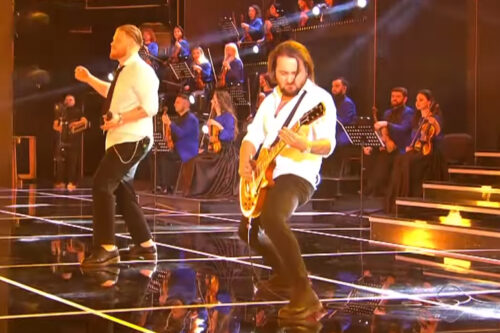
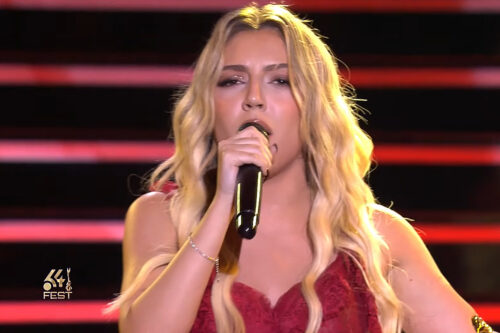
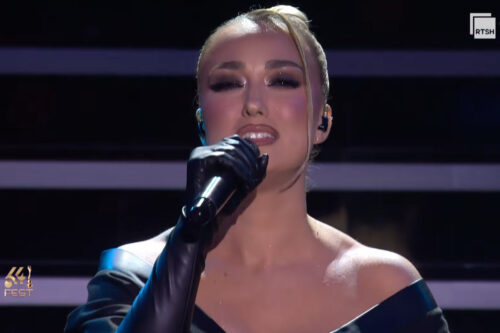
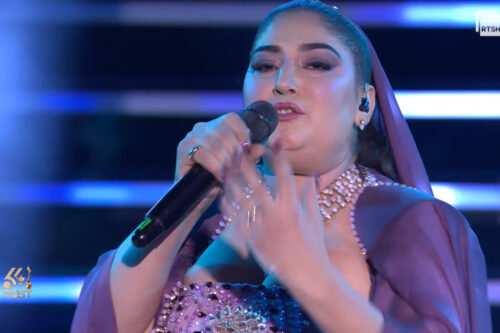
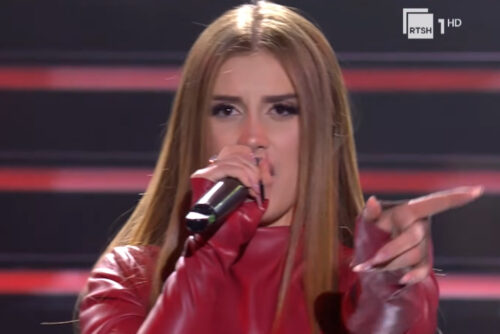
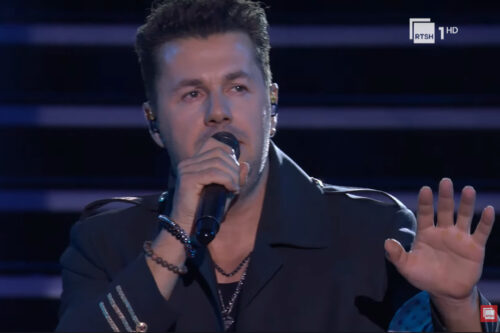
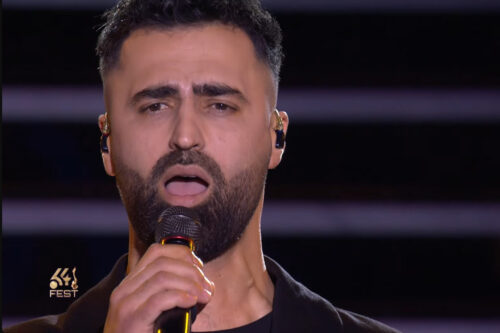
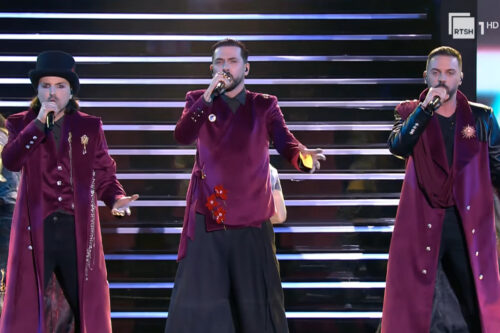
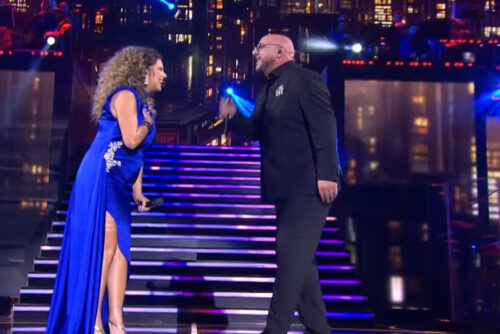
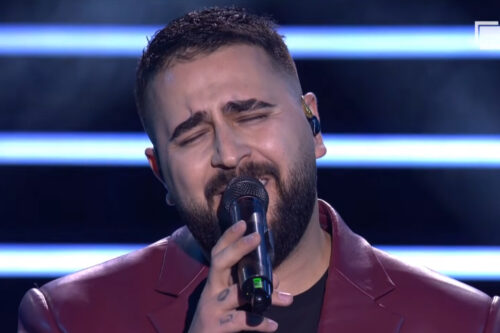
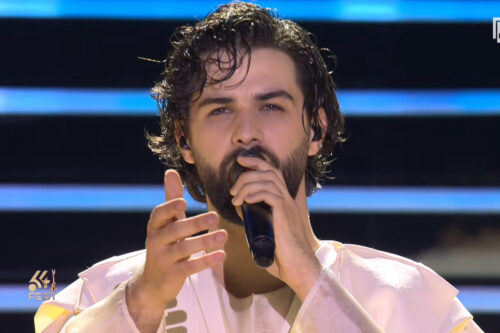
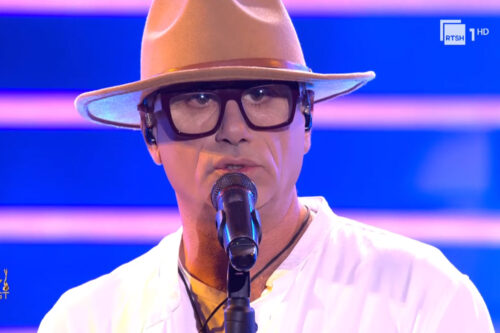
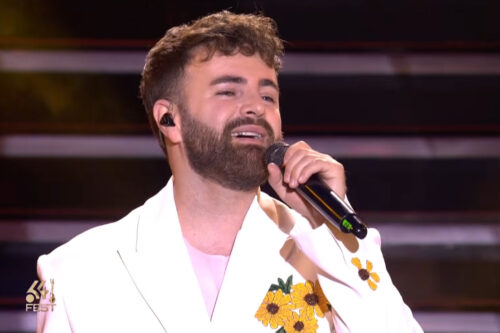
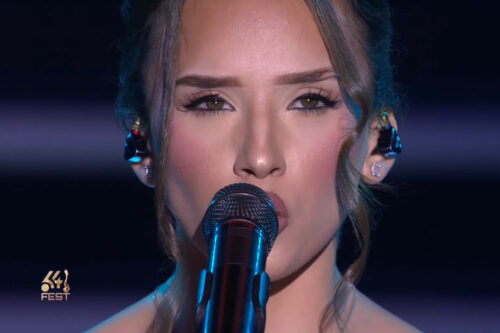
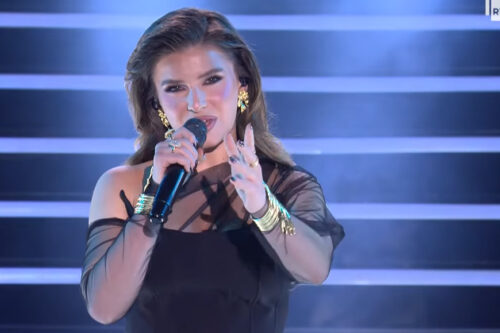
Alis has won Festivali i këngés. That means he will represent Albania in the Eurovision Song Contest 2026 in Vienna. It was the 2nd time participated in Festivali i Këngës. Last year he was the number 3.


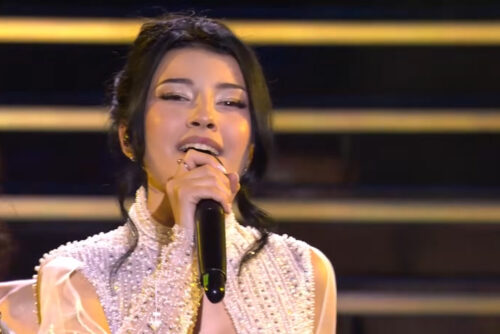
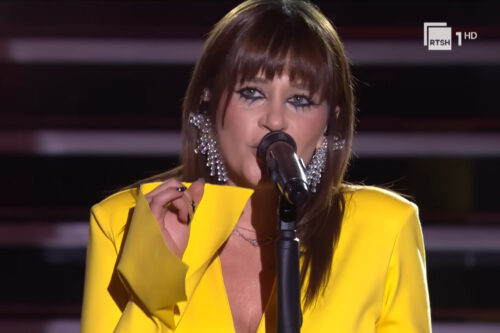
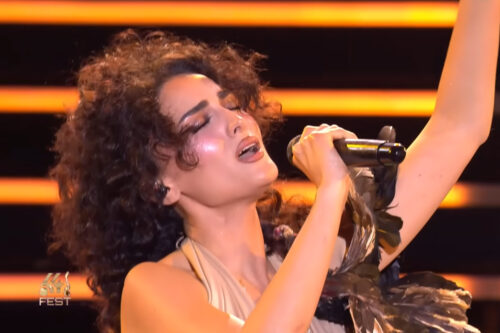
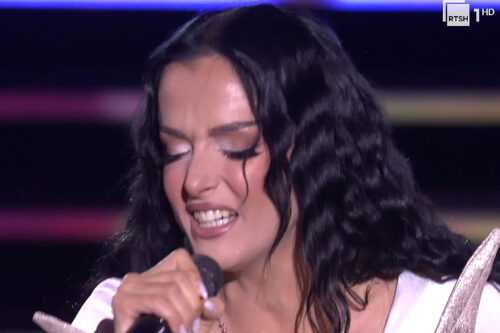
Festivali i këngës was there. It’s always the opening season for the Eurovision Song Contest. Here are the full lists of contestants for the semifinals. You can clik on the picture to watch the video. You can see the full results below:

final


date: 20 december 2025
Place: Palace of Congress
Hosts: Arilena Ara & Salsano Rrapi
 
1 Gerta Mahmutaj Në krahët e tu 7 16
l: Petro Xhori  m: Gerta Mahmutaj & Kledi Bahiti  
2 Lynx Nuk khtehem pas 0 20
l & m: Aurel Gjini, Eno Gjoni, Geri Hasani, Renato Rexha  
3 Frensi Tresh 22 11
l: Panda  m: Inis Neziri  
4 Evi Reçi  Kodi i jetës 0 20
l: Eriona Rushiti m: Enis Mullaj  
5 Rezarta Smaja  Balukeprera 15 13
l & m: Sokol Marsi  
6 Rigerska Loka Albanian Heart 5 17
l: Aidan Baraku  m: Darko Dimitrov  
7 Vedat Ademi Kur fjala mbaron 63 5
l: Afërdita Saracini Kelmendi  m: Afërditi Saracini Kelmendi & Xhevdet Gashi  
8 Erik Lloshi Dy pika dashuri 4 18
l: Erik Lloshi m: Flamur Shehu  
9 Kleansa Susaj Hije 0 20
l: Kleansa Susaj  m: Aldo Marku  
10 Sara Kapo Të dua shumë 55 6
l & m: Sara Kapo  
11 Sheila Zemra e tokës 93 3
l & m: Sheila Haxhiraj  
12 Savjana Verdha

Dimër për dimër e vjeshtë për vjeshtë

11 14
l: Ilirian Zhupa m: Ilir Dangellia  
13 2Farm Valle mbi hi 52 8
l & m: 2Farm  
14 Kamela Islamaj Pa pretendime 4 19
l: Megi Hasani  m: Gjergj Kaçinari  
15 Gresa Gjocera & Bledi Kaso Busulla e zemrës 0 20
l: Pandi Laço m: Jeris Kaso  
16 Inis Neziri Ta kam fal 102 2
l: Inis Neziri & Ledio Dara  m: EngliVersal & Inis Neziri  
17 Lorenc Hasrama Lamtumirë 10 15
l & m: Lorenc Hasrama  
18 Endri Kaçaçi Si unë 54 7
l: Endri Kaçaçi  m: Irkenc Hyka  
19 Luna Çausholli Pa kufij 36 9
l: Ermira Çausholli  m: Kledi Bahiti & Ermira Çausholli  
20 Alis Nân 192 1
l: Desara Gjini  m: Alis Kallacej  
21 Ghiti Okej! 17 12
l: Beatriçe Gjergji  m: Beatriçe Gjergji & Marcello Maria Batelli  
22 Enxhi Nasufi Dritë 25 10
l: Enxhi Nasufi  m: Enxhi Nasufi & Kledi Bahiti  
23 Fifi & Tiri Gjoci Rri 85 3
l: Filloreta Raçi  m: Filloreta Raçi & Tiri Gjoci  


1st semifinal


date: 17 december 2025
Place: Palace of Congress
Hosts: Arilena Ara & Salsano Rrapi
1 Rigerska Loka Albanian Heart +
l: Aidan Baraku  m: Darko Dimitrov
2 Lorenc Hasrama Lamtumirë +
l & m: Lorenc Hasrama
3 Sara Kapo Të dua shumë +
l & m: Sara Kapo
4 Sheila Zemra e tokës  +
l & m: Sheila Haxhiraj
5 Kleansa Susaj Hije +
l: Kleansa Susaj  m: Aldo Marku
6 Gresa Gjocera & Bledi Kaso Busulla e zemrës +
l: Pandi Laço m: Jeris Kaso
7 Ghiti Okej! +
l: Beatriçe Gjergji  m: Beatriçe Gjergji & Marcello Maria Batelli
8 Lynx Nuk khtehem pas +
l & m: Aurel Gjini, Eno Gjoni, Geri Hasani, Renato Rexha
9 Erand Sojli Të kam në fron
l & m: Erand Sojli
10 Inis Neziri Ta kam fal +
l: Inis Neziri & Ledio Dara  m: EngliVersal & Inis Neziri
11 Kimi  Prap dielli dell
l & m: Freskim Rama
12 Alis Nân +
l: Desara Gjini  m: Alis Kallacej
13 Enxhi Nasufi Dritë +
l: Enxhi Nasufi  m: Enxhi Nasufi & Kledi Bahiti
14 Rezarta Smaja  Balukeprera +
l & m: Sokol Marsi
2nd semifinal


date: 18 december 2025
Place: Palace of Congress
Hosts: Arilena Ara & Salsano Rrapi
1 Savjana Verdha

Dimër për dimër e vjeshtë për vjeshtë

+
l: Ilirian Zhupa m: Ilir Dangellia
2 2Farm Valle mbi hi +
l & m: 2Farm
3 Gerta Mahmutaj Në krahët e tu +
l: Petro Xhori  m: Gerta Mahmutaj & Kledi Bahiti
4 Sihana Haxhnikaj Horizont
l: Eriona Rushiti m: Florent Boshnjaku
5 Luna Çausholli Pa kufij +
l: Ermira Çausholli  m: Kledi Bahiti & Ermira Çausholli
6 Erik Lloshi Dy pika dashuri +
l: Erik Lloshi m: Flamur Shehu
7 Frensi Tresh +
l: Panda  m: Inis Neziri
8 Malvina Likaj Përtej shpirtit
l: Malvina Likai  m: Klodian Qafoku
9 Vedat Ademi Kur fjala mbaron +
l: Afërdita Saracini Kelmendi  m: Afërditi Saracini Kelmendi & Xhevdet Gashi
10 Kamela Islamaj Pa pretendime +
l: Megi Hasani  m: Gjergj Kaçinari
11 ThreeX  Vite
l & m: Marsel Gunga, Erta Maria Xhavara, Laura Xhavara & Dea Xhavara
12 Endri Kaçaçi Si unë +
l: Endri Kaçaçi  m: Irkenc Hyka
13 Fifi & Tiri Gjoci Rri +
l: Filloreta Raçi  m: Filloreta Raçi & Tiri Gjoci
14 Evi Reçi  Kodi i jetës +
l: Eriona Rushiti m: Enis Mullaj

Related news

Eurovision 2026

Vienna 12 points: from a princess to a winner

Several countries start their second rehearsals. As we still don’t have access to the rehearsals, we will do something else. Per entry, we highlight one subject and give you some more information. That can be something about the artist, the song, the lyrics or even something completely different.  Moldova – Satoshi, “Viva Moldova!” Running order: 1 | Rehearsal: 10:30–10:55 CEST “Viva Moldova,” sing the Moldovans this year, and they do so in Romanian. That language choice carries more history than many Eurovision viewers may realise. Romanian was long officially referred to as Moldovan in Moldova, a name rooted mainly in Soviet and post-Soviet politics rather than linguistic difference. In practice, Moldovan and Romanian are the same language, with regional accents and vocabulary, as Dutch in the Netherlands and Flanders can differ without becoming separate languages. In 2013, Moldova’s Constitutional Court ruled that the Declaration of Independence, which names Romanian, prevails. Since 2023, the constitution also refers to Romanian. At Eurovision, “Viva Moldova” therefore is not only a patriotic slogan from Chișinău, but also a clear political and linguistic statement today.Oddly enough, Satoshi uses a Japanese name. He explains why in an interview with us. Another interview with Satoshi came after the rehearsals:  Sweden – FELICIA, “My System” Running order: 2 | Rehearsal: 11:05–11:30 CEST Fröken Snusk was one of Sweden’s most talked-about pop phenomena: a pink-balaclava-wearing persona built on anonymity, provocative lyrics and the booming EPA-dunk sound. The act broke through online and became known far beyond its party-music niche, helped by Melodifestivalen 2024 and a strong visual identity that made the mask as recognisable as the songs. Behind the original Fröken Snusk was Felicia Eriksson, who later left the project and moved forward under her own name. That background gives today’s Eurovision rehearsal extra context. Still wearing a mask, Felicia is no longer hiding inside the Fröken Snusk character, but the confidence, controversy and curiosity around that chapter still follow her onto the Vienna stage.  Croatia – LELEK, “Andromeda” Running order: 3 | Rehearsal: 11:40–12:05 CEST Andromeda is a figure from Greek mythology: a princess, not a goddess, and the daughter of King Cepheus and Queen Cassiopeia. After her mother angered the sea nymphs by boasting of Andromeda’s beauty, Poseidon sent a monster to ravage the kingdom. To save her people, Andromeda was chained to a rock as a sacrifice, until Perseus rescued her. In Lelek’s song, that story becomes more than a myth. Andromeda can be read as a symbol of women treated as bodies, victims or bargaining chips by forces bigger than themselves. The title also carries a cosmic meaning: Andromeda is a constellation and gives its name to the Andromeda Galaxy. That link to the stars fits the song’s imagery of escape, distance and survival. For contemporary listeners, her ancient story adds emotional weight. Lelek’s Andromeda is therefore both a mythological princess and a powerful metaphor for pain, resistance and hard-won freedom.  Greece – Akylas, “Ferto” Running order: 4 | Rehearsal: 12:20–12:45 CEST Akylas has become an important figure for Greece’s LGBTQ+ community because his visibility is not presented as a side note, but as part of his artistic identity. Long before Eurovision, his music and stage presence were linked to queer self-expression, emotional honesty and performances at events such as Athens Pride. That background gives his Eurovision journey a broader meaning. In a country where queer voices have often had to fight for space in mainstream culture, Akylas represents a new kind of openness. He has also spoken about homophobic bullying and the support he received after winning the Greek selection, turning his own experiences into a message for younger LGBTQ+ people. For many Greek fans, his participation is therefore not only about a song. It is also about recognition: seeing someone openly queer carry Greek pop culture onto one of Europe’s biggest stages with confidence, vulnerability and a distinctly Greek sound.  Portugal – Bandidos do Cante, “Rosa” Running order: 5 | Rehearsal: 12:55–13:20 CEST Cante Alentejano is the traditional polyphonic singing of the Alentejo, the vast southern Portuguese region between the Tagus and the Algarve. It is usually performed by groups of amateur singers, without instruments. It’s in a slow, collective style built around two vocal lines and distinctive melodies. UNESCO added it to the Representative List of the Intangible Cultural Heritage of Humanity in 2014. In Portugal’s 2026 Eurovision entry, Bandidos do Cante bring that tradition into a pop setting. “Rosa” does not simply borrow a regional sound; it places the warmth of group singing at the centre of the song. That gives the entry a clear Portuguese identity. The voices suggest landscape, memory and togetherness, while the modern arrangement makes the old tradition accessible to a Eurovision audience that may be hearing Cante Alentejano for the first time, without losing its roots. You can read more about the meaningful lyrics here.  Georgia – Bzikebi, “On Replay” Running order: 6 | Rehearsal: 13:30–13:55 CEST Junior Eurovision has often been a first step towards bigger stages, but only four winners have later returned as Eurovision contestants. The Tolmachevy Sisters opened that path: after winning Junior Eurovision 2006 for Russia with “Vesenniy Jazz”, they represented Russia in 2014 with “Shine”, finishing seventh. Destiny followed Malta’s 2015 Junior victory with “Not My Soul” by taking “Je Me Casse” to Eurovision 2021, also ending seventh. Georgia’s Iru, winner as part of Candy in 2011, returned solo in 2023 with “Echo”. This year, Georgia completes the circle again with Bzikebi, the buzzing trio who won Junior Eurovision 2008 with “Bzz..” and now step onto the adult contest stage with “On Replay”. Their return adds a nostalgic layer to 2026. Still, one milestone remains untouched: no artist or group has ever won both Junior Eurovision and the Eurovision Song Contest. That unresolved challenge keeps the crossover story fascinating.

Read More »
Eurovision 2026
Martijn

Vienna 12 points: from a princess to a winner

Several countries start their second rehearsals. As we still don’t have access to the rehearsals, we will do something else. Per entry, we highlight one subject and give you some more information. That can be something about the artist, the song, the lyrics or even something completely different.  Moldova – Satoshi, “Viva Moldova!” Running order: 1 | Rehearsal: 10:30–10:55 CEST “Viva Moldova,” sing the Moldovans this year, and they do so in Romanian. That language choice carries more history than many Eurovision viewers may realise. Romanian was long officially referred to as Moldovan in Moldova, a name rooted mainly in Soviet and post-Soviet politics rather than linguistic difference. In practice, Moldovan and Romanian are the same language, with regional accents and vocabulary, as Dutch in the Netherlands and Flanders can differ without becoming separate languages. In 2013, Moldova’s Constitutional Court ruled that the Declaration of Independence, which names Romanian, prevails. Since 2023, the constitution also refers to Romanian. At Eurovision, “Viva Moldova” therefore is not only a patriotic slogan from Chișinău, but also a clear political and linguistic statement today.Oddly enough, Satoshi uses a Japanese name. He explains why in an interview with us. Another interview with Satoshi came after the rehearsals:  Sweden – FELICIA, “My System” Running order: 2 | Rehearsal: 11:05–11:30 CEST Fröken Snusk was one of Sweden’s most talked-about pop phenomena: a pink-balaclava-wearing persona built on anonymity, provocative lyrics and the booming EPA-dunk sound. The act broke through online and became known far beyond its party-music niche, helped by Melodifestivalen 2024 and a strong visual identity that made the mask as recognisable as the songs. Behind the original Fröken Snusk was Felicia Eriksson, who later left the project and moved forward under her own name. That background gives today’s Eurovision rehearsal extra context. Still wearing a mask, Felicia is no longer hiding inside the Fröken Snusk character, but the confidence, controversy and curiosity around that chapter still follow her onto the Vienna stage.  Croatia – LELEK, “Andromeda” Running order: 3 | Rehearsal: 11:40–12:05 CEST Andromeda is a figure from Greek mythology: a princess, not a goddess, and the daughter of King Cepheus and Queen Cassiopeia. After her mother angered the sea nymphs by boasting of Andromeda’s beauty, Poseidon sent a monster to ravage the kingdom. To save her people, Andromeda was chained to a rock as a sacrifice, until Perseus rescued her. In Lelek’s song, that story becomes more than a myth. Andromeda can be read as a symbol of women treated as bodies, victims or bargaining chips by forces bigger than themselves. The title also carries a cosmic meaning: Andromeda is a constellation and gives its name to the Andromeda Galaxy. That link to the stars fits the song’s imagery of escape, distance and survival. For contemporary listeners, her ancient story adds emotional weight. Lelek’s Andromeda is therefore both a mythological princess and a powerful metaphor for pain, resistance and hard-won freedom.  Greece – Akylas, “Ferto” Running order: 4 | Rehearsal: 12:20–12:45 CEST Akylas has become an important figure for Greece’s LGBTQ+ community because his visibility is not presented as a side note, but as part of his artistic identity. Long before Eurovision, his music and stage presence were linked to queer self-expression, emotional honesty and performances at events such as Athens Pride. That background gives his Eurovision journey a broader meaning. In a country where queer voices have often had to fight for space in mainstream culture, Akylas represents a new kind of openness. He has also spoken about homophobic bullying and the support he received after winning the Greek selection, turning his own experiences into a message for younger LGBTQ+ people. For many Greek fans, his participation is therefore not only about a song. It is also about recognition: seeing someone openly queer carry Greek pop culture onto one of Europe’s biggest stages with confidence, vulnerability and a distinctly Greek sound.  Portugal – Bandidos do Cante, “Rosa” Running order: 5 | Rehearsal: 12:55–13:20 CEST Cante Alentejano is the traditional polyphonic singing of the Alentejo, the vast southern Portuguese region between the Tagus and the Algarve. It is usually performed by groups of amateur singers, without instruments. It’s in a slow, collective style built around two vocal lines and distinctive melodies. UNESCO added it to the Representative List of the Intangible Cultural Heritage of Humanity in 2014. In Portugal’s 2026 Eurovision entry, Bandidos do Cante bring that tradition into a pop setting. “Rosa” does not simply borrow a regional sound; it places the warmth of group singing at the centre of the song. That gives the entry a clear Portuguese identity. The voices suggest landscape, memory and togetherness, while the modern arrangement makes the old tradition accessible to a Eurovision audience that may be hearing Cante Alentejano for the first time, without losing its roots. You can read more about the meaningful lyrics here.  Georgia – Bzikebi, “On Replay” Running order: 6 | Rehearsal: 13:30–13:55 CEST Junior Eurovision has often been a first step towards bigger stages, but only four winners have later returned as Eurovision contestants. The Tolmachevy Sisters opened that path: after winning Junior Eurovision 2006 for Russia with “Vesenniy Jazz”, they represented Russia in 2014 with “Shine”, finishing seventh. Destiny followed Malta’s 2015 Junior victory with “Not My Soul” by taking “Je Me Casse” to Eurovision 2021, also ending seventh. Georgia’s Iru, winner as part of Candy in 2011, returned solo in 2023 with “Echo”. This year, Georgia completes the circle again with Bzikebi, the buzzing trio who won Junior Eurovision 2008 with “Bzz..” and now step onto the adult contest stage with “On Replay”. Their return adds a nostalgic layer to 2026. Still, one milestone remains untouched: no artist or group has ever won both Junior Eurovision and the Eurovision Song Contest. That unresolved challenge keeps the crossover story fascinating.

Read More »
Follow Us: