🇧🇪 Tonight is the night for Belgium!

Tonight is the night for Belgium! They will select their entry for Eurovision through Eurosong. The show starts at 20:55 and you can watch it here and on YouTube.

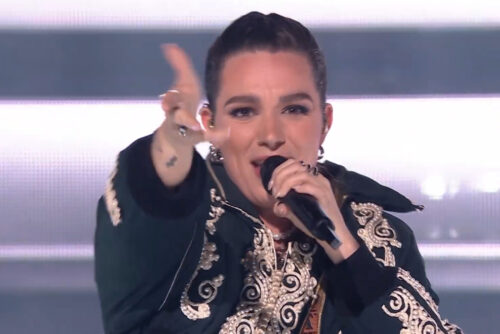
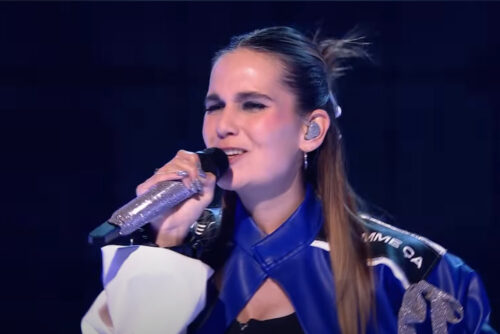
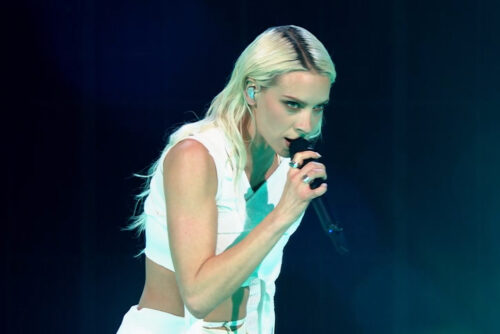
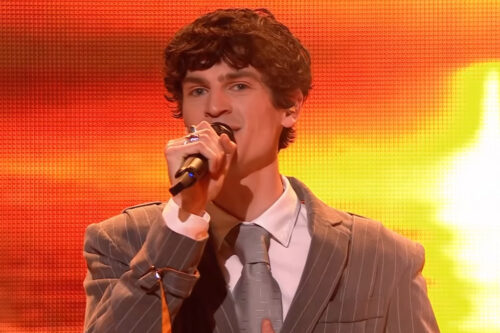
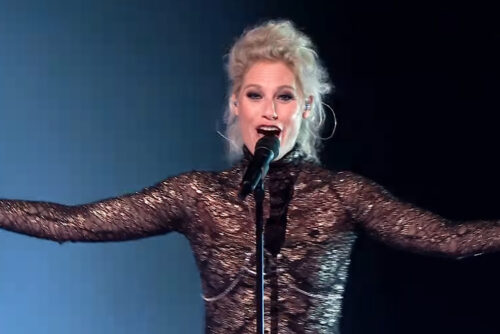
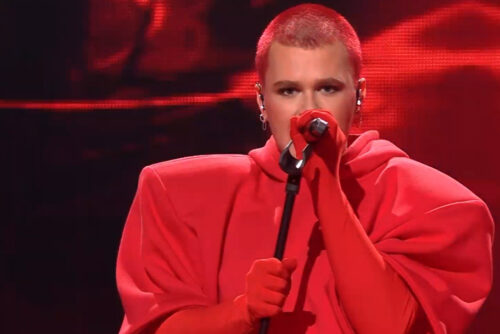
Eight songs will compete in EMG Studio 7 in Vilvoorde near Brussels. The show will be hosted by Peter van de Veire. 50% jury and 50% televoting will decide which song and singer will represent Belgium in the Eurovision Song Contest. Here are the contestants:

nr Artist Song  
1 Leez Perfectly Imperfect
2 Le Manou Fille Ă  papa
3 Jelle Van Dael Monster
4 Mentissa Désolée
5 Lenn Air Baloon
6 Stefanie Callebaut Gloria
7 Red Sebastian Strobe Lights
8 Grace Pull up

None of the artists have ever taken part in Eurovision or any national selections. However, Lenn’s grandfather, Louis Neefs, represented Belgium in 1967 and 1969.

Belgium in the Eurovision Song Contest

Belgium has participated in the Eurovision Song Contest since its inception in 1956. The country achieved its first top-three placement in 1978, when Jean VallĂ©e’s “L’amour ça fait chanter la vie” secured second place. In 1986, Belgium won the contest with Sandra Kim’s “J’aime la vie,” marking its only victory to date. Another notable result came in 2003, when Urban Trad’s “Sanomi” finished as the runner-up, just two points behind the winner.

In the 2024 Eurovision Song Contest, Belgium was represented by Mustii with the song “Before the Party’s Over.” The entry competed in the second semi-final but did not advance to the grand final, placing 13th with 18 points.

Throughout its Eurovision history, Belgium has employed various methods for selecting its entries, including national finals and internal selections. The country has presented songs in multiple languages, such as Dutch, French, English, and even constructed languages. Belgium’s results have varied over the years, with periods of both high placements and early eliminations.

Related news

History

70 years of Eurovision: the first years

The Eurovision Song Contest is celebrating its 70th anniversary. That is a wonderful milestone. We at Eurovision Universe love diving into the history of the contest. That is why we are taking a closer look at the contests of the past 70 years. 1956 Seven countries lined up at the start of the Song Contest. Lugano, Switzerland hosted the event. Belgium, Germany, France, Italy, Luxembourg, the Netherlands, and Switzerland took part. Each country could submit two songs, which helped fill the programme. Lohengrin Filipello presented the show entirely in Italian. The scoring lacked suspense. Two jurors from each country gave their verdict. At the end of the evening, Rolf Liebermann, the Martin Green of his time, came on stage and announced Switzerland as the winner. That result did not come as a surprise. Luxembourg did not send any jurors and instead asked two Swiss jurors to vote on their behalf. The winning song was the Swiss “Refrain”. When singer Lys Assia had to sing her song again, it became too much for her. She said she was overcome by emotions and decided to start over. Few moving images of the festival have survived; however, an audio recording does. 1957 United Kingdom, Denmark, and Austria joined the seven already participating countries. The contest was held in Frankfurt am Main, Germany. And this time, there was a voting procedure. Host Anaid Iplikjan had an assistant who established the telephone connections. It was a tough job for the presenter: not every jury chairman had read the instructions properly. Anaid had to constantly make adjustments. One entry that should not go unmentioned is that of Denmark. Birthe Wilke and Gustav Winckler played a fishing couple. She said goodbye to him because he had to go sailing. The act ended with a kiss. At a sign from the director, the two were supposed to let go of each other. However, the person who was supposed to give that sign was not paying attention, causing the kiss to last an extremely long time. And this happened in 1957! It did not get any more exciting after that. The Dutch Corry Brokken won with a landslide. She made quite an impression with her “Net als toen”. This was due in no small part to the beautiful solo by violinist Sem Nijveen. 1958 For the first time, the winning country hosted the Song Contest the following year. Ten countries competed in the AVRO studio in Hilversum. Great Britain skipped this edition, but Sweden made its debut. Hannie Lips served as the host. She only appeared after all the songs had been performed. At that point, she explained that technical problems had prevented some countries from broadcasting the first entry, Italy’s song. The organisers therefore repeated it. He did not win. However, it was a lucrative experience for the Italian Domenico Modugno. His song “Nel blu dipinto di blu”, under the title “Volare”, probably became the biggest Eurovision hit ever. Countless versions have been made of it. Dean Martin’s is the best known, but David Bowie and Paul McCartney also sang the song. The battle for first place was incredibly exciting. This one was between France and Switzerland. 1956 winner Lys Assia seemed poised to take first place with her “Giorgio”. She just missed out. It was the Frenchman AndrĂ© Claveau who claimed first place with “Dors mon amour”. And for anyone who thinks he went on to buy a villa or a yacht with the proceeds from this song: not at all. He happily announced that he could now purchase an extra cow for his herd!

Read More »
History
Martijn

70 years of Eurovision: the first years

The Eurovision Song Contest is celebrating its 70th anniversary. That is a wonderful milestone. We at Eurovision Universe love diving into the history of the contest. That is why we are taking a closer look at the contests of the past 70 years. 1956 Seven countries lined up at the start of the Song Contest. Lugano, Switzerland hosted the event. Belgium, Germany, France, Italy, Luxembourg, the Netherlands, and Switzerland took part. Each country could submit two songs, which helped fill the programme. Lohengrin Filipello presented the show entirely in Italian. The scoring lacked suspense. Two jurors from each country gave their verdict. At the end of the evening, Rolf Liebermann, the Martin Green of his time, came on stage and announced Switzerland as the winner. That result did not come as a surprise. Luxembourg did not send any jurors and instead asked two Swiss jurors to vote on their behalf. The winning song was the Swiss “Refrain”. When singer Lys Assia had to sing her song again, it became too much for her. She said she was overcome by emotions and decided to start over. Few moving images of the festival have survived; however, an audio recording does. 1957 United Kingdom, Denmark, and Austria joined the seven already participating countries. The contest was held in Frankfurt am Main, Germany. And this time, there was a voting procedure. Host Anaid Iplikjan had an assistant who established the telephone connections. It was a tough job for the presenter: not every jury chairman had read the instructions properly. Anaid had to constantly make adjustments. One entry that should not go unmentioned is that of Denmark. Birthe Wilke and Gustav Winckler played a fishing couple. She said goodbye to him because he had to go sailing. The act ended with a kiss. At a sign from the director, the two were supposed to let go of each other. However, the person who was supposed to give that sign was not paying attention, causing the kiss to last an extremely long time. And this happened in 1957! It did not get any more exciting after that. The Dutch Corry Brokken won with a landslide. She made quite an impression with her “Net als toen”. This was due in no small part to the beautiful solo by violinist Sem Nijveen. 1958 For the first time, the winning country hosted the Song Contest the following year. Ten countries competed in the AVRO studio in Hilversum. Great Britain skipped this edition, but Sweden made its debut. Hannie Lips served as the host. She only appeared after all the songs had been performed. At that point, she explained that technical problems had prevented some countries from broadcasting the first entry, Italy’s song. The organisers therefore repeated it. He did not win. However, it was a lucrative experience for the Italian Domenico Modugno. His song “Nel blu dipinto di blu”, under the title “Volare”, probably became the biggest Eurovision hit ever. Countless versions have been made of it. Dean Martin’s is the best known, but David Bowie and Paul McCartney also sang the song. The battle for first place was incredibly exciting. This one was between France and Switzerland. 1956 winner Lys Assia seemed poised to take first place with her “Giorgio”. She just missed out. It was the Frenchman AndrĂ© Claveau who claimed first place with “Dors mon amour”. And for anyone who thinks he went on to buy a villa or a yacht with the proceeds from this song: not at all. He happily announced that he could now purchase an extra cow for his herd!

Read More »
Follow Us: